





Escalating Trade Tensions: Trump Targets Bombardier as Tariff Deadline Looms
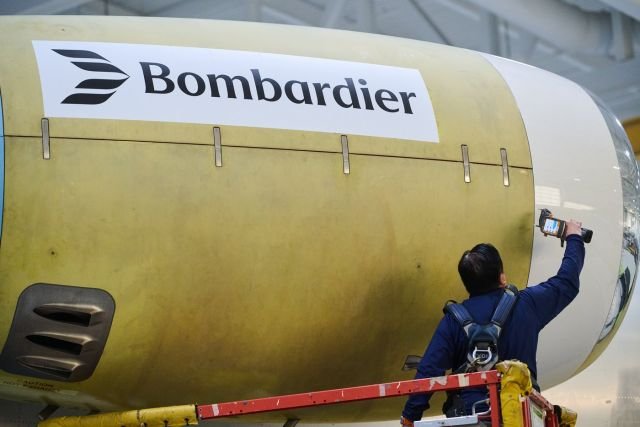
Tensions between Ottawa and Washington reached a fever pitch this week as President Donald Trump announced plans to block sales of Bombardier aircraft in the United States. The pronouncement, delivered via social media on Monday, serves as a significant escalation in the ongoing trade dispute just hours before Canada’s retaliatory tariffs are scheduled to take effect.
The move directly impacts the Quebec-based aerospace giant, which maintains an extensive manufacturing footprint that spans both sides of the border. While President Trump’s rhetoric has become increasingly aggressive, Canadian officials are urging a measured response. Quebec Premier Christine Fréchette emphasized her commitment to supporting the company, noting that she has been in direct communication with Bombardier CEO Éric Martel to offer provincial backing. “Bombardier is a source of pride for Quebec,” Fréchette stated, describing the firm as a cornerstone of the provincial economy.
The Economic Battleground: A Surge in Counter-Tariffs
The standoff follows the collapse of bilateral trade negotiations last month, which prompted the U.S. to impose levies on a wide array of Canadian goods, including cement, honey, and hockey equipment. In response, Prime Minister Mark Carney’s government finalized a retaliatory package set for implementation this Tuesday.
The Canadian counter-measures are extensive and punitive, targeting critical American sectors. Starting at midnight, U.S. dairy products—including milk, cream, and fresh cheese—will face tariffs as high as 50 percent. Furthermore, the Canadian government has slapped a 25 percent levy on American wood products, such as spruce, pine, and fir.
The industrial sector is also feeling the pressure, with a 50 percent tariff applied to various steel and aluminum products, including scaffolding, bridges, and structural steel components. Even the consumer goods sector is not immune, with new 50 percent tariffs targeting U.S.-made beauty products, sunscreens, and fragrances.
Political Pressure and the Search for Economic Stability
As the trade war deepens, the political fallout in Canada is intensifying. Opposition Leader Pierre Poilievre has sharply criticized the Trudeau-era leadership, demanding greater transparency regarding the breakdown of the original trade deal. During a press conference in Regina, Poilievre called on Prime Minister Carney to release the full text of the failed agreement, arguing that Canadians deserve to understand what was negotiated and why the talks ultimately fell through.
“The Canadian people deserve the facts and a plan,” Poilievre said. “So far, we’ve had neither.”
Meanwhile, the Canadian Federation of Independent Business (CFIB) has expressed deep concern, warning that even with federal support packages, the trade war could trigger a wave of small business closures across the country.
Looking Toward Economic Diversification
Despite the hostility emanating from the White House, Prime Minister Carney remains steadfast, framing the conflict as a test of national resolve. In a Labour Day address, Carney noted that the American tariffs were a “miscalculation” designed to divide the country. He maintained that the government has a comprehensive strategy to manage the economic fallout.
“We couldn’t accept what they offered, and we wouldn’t give what they asked,” Carney said regarding the failed trade talks. “We have the reserves, we have the resilience, and we have the right plan.”
The government’s primary strategy now hinges on aggressive trade diversification. By looking beyond the American market, Ottawa hopes to insulate Canadian businesses from the whims of protectionist policies. However, for companies like Bombardier and the thousands of workers they employ, the path forward remains uncertain as the two nations navigate one of the most volatile chapters in their modern trade history.
Disclaimer: This content is auto-generated for informational purposes only.
Source: Read Original News