








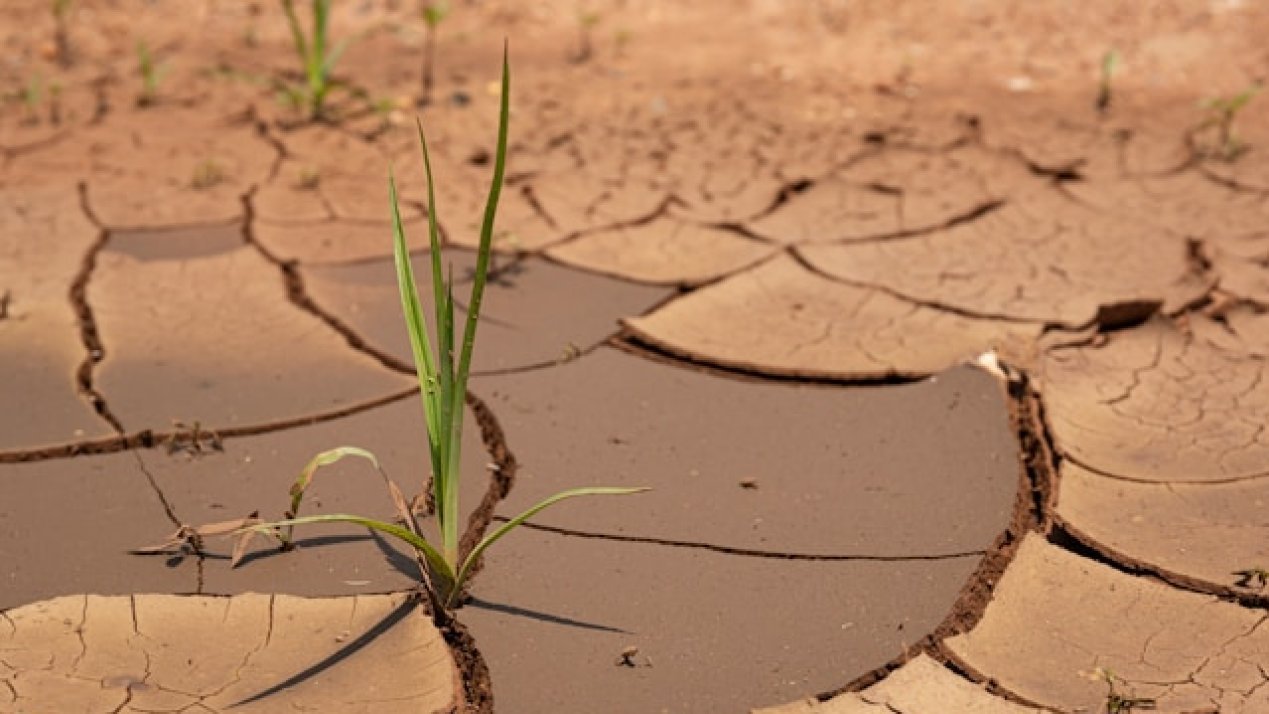
Mexico’s agricultural sector is bracing for a volatile period as climate experts warn that a strengthening El Niño phenomenon poses a severe threat to national food security and trade stability. With the National Oceanic and Atmospheric Administration (NOAA) predicting a 90% probability that the event will reach “very strong” intensity by the 2026-2027 winter, the country is scrambling to mitigate potential risks to its rainfed crop systems and livestock supply chains.
## Regional Vulnerability and Economic Impact
The impact of El Niño in Mexico is highly segmented by geography. While northern states might see a slight uptick in precipitation, potentially boosting yields, the central and southern regions—the heart of Mexico’s coffee, sugarcane, corn, and avocado production—face the looming threat of prolonged drought.
Data from the General Directorate of the Agro-Food and Fisheries Information Service (DGSIAP) underscores the gravity of the situation: approximately 80% of Mexico’s agricultural production is situated in municipalities currently battling some level of drought. Given that 75% of the nation’s crops are rainfed, the agricultural sector remains dangerously exposed to shifts in climate patterns. Disruptions in these regions could lead to significant harvest losses, forcing the country to lean more heavily on trade partners like the United States and driving up input costs for the food processing industry.
## Leveraging Technology for Climate Resilience
In an era where localized climate data is critical for business continuity, experts are increasingly advocating for the integration of AI-driven analytics and digital dashboards to manage agricultural risks. Modern digital farming tools and climate-modeling platforms allow producers to shift from reactive measures to predictive strategies. By using localized weather data, farmers can monitor soil moisture levels and reservoir health in real-time, allowing for smarter irrigation management before drought conditions become terminal for crops.
Furthermore, the integration of advanced weather monitoring systems is essential for government agencies to push actionable intelligence down to the “block or property level.” This granular approach—often powered by geographic information systems (GIS) and real-time cloud data—enables local authorities to preemptively manage risks like soil erosion, water scarcity, or flooding. As Guillermo Pérez of the Ministry of Agrarian, Territorial and Urban Development (SEDATU) noted, the objective is to transform complex scientific climate information into practical, localized decision-making tools that protect local livelihoods.
## Toward a Sustainable Strategy
The looming climate crisis is forcing a rethink of national water management policies. Experts have called for a major review of water concessions, suggesting that historical, fixed-volume allocation models are incompatible with the realities of modern climate volatility. Future resilience will require a multi-stakeholder approach that combines scientific forecasting with “nature-based solutions,” such as rainwater harvesting and the restoration of water regulation reservoirs.
The livestock industry, which is particularly sensitive to feed costs, is also feeling the pressure. As drought impacts the availability of forage and pushes up prices for yellow corn—81.5% of which is currently consumed by the livestock sector—the cascading effects on meat, milk, and poultry prices are becoming a primary concern for policymakers.
Ultimately, the consensus among industry leaders and academics is that the “wait and see” approach is no longer viable. Success in the coming years will depend on a shift toward predictive agriculture, where AI and data-driven insights are used to manage water usage and crop cycles proactively. By adopting a more collaborative model—linking government data, private sector technology, and local community implementation—Mexico aims to minimize the shock of the 2026-2027 climate cycle and secure its long-term position in the global agri-food trade.
Disclaimer: This content is auto-generated for informational purposes only.
Source: Read Original News