






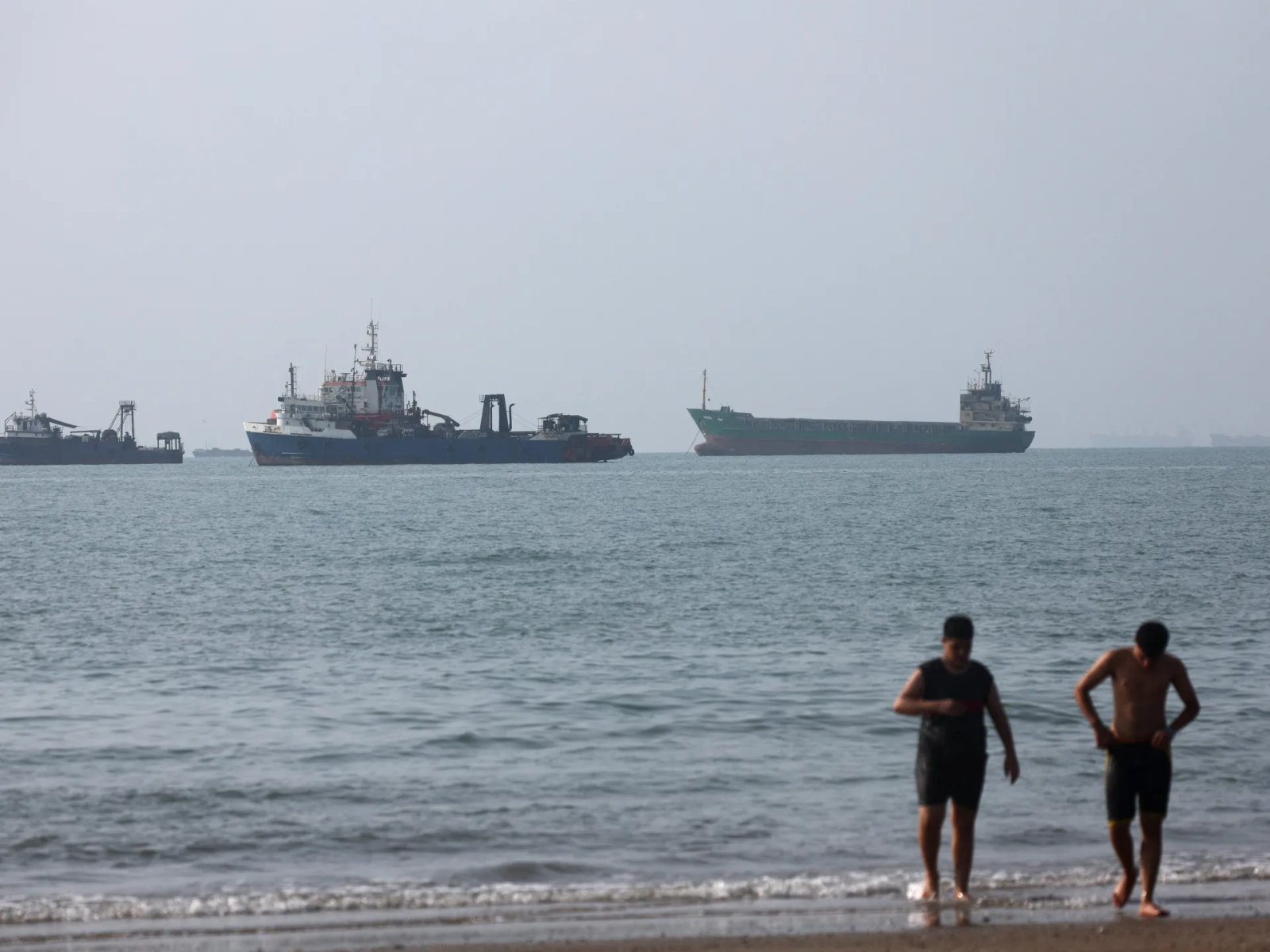
DOHA – The Strait of Hormuz, the world’s most critical maritime chokepoint for global energy supplies, is facing an unprecedented traffic collapse, prompting urgent warnings from regional leaders.
Data released by marine analytics firm Kpler shows that an average of just 10 commodity ships have transited the vital waterway daily over the past 10 days. This figure marks the lowest level of transit activity since May, signaling a severe disruption to the flow of oil and gas that fuels the global economy.
Qatar has led the diplomatic response to the crisis, warning that the immediate priority must be the restoration of safe passage through the strait. Speaking from Doha, government officials emphasized that the current decline in shipping activity threatens to trigger a global “industrial catastrophe” if sustained, citing the potential for massive spikes in energy prices and systemic supply chain failures.
The Strait of Hormuz, which separates the Persian Gulf from the Gulf of Oman, serves as the passage for roughly one-fifth of the world’s daily oil consumption. Even a temporary blockage or significant slowdown in this narrow channel carries immediate implications for fuel prices in Europe, Asia, and the Americas.
While regional tensions have been simmering for months, the sudden drop in vessel movement over the last week suggests that commercial shipping operators are increasingly wary of navigating the area. Analysts suggest that insurance premiums for tankers may be reaching prohibitive levels, leading many carriers to pause operations or seek longer, more expensive alternative routes.
“The economic stability of both producing and consuming nations is inextricably linked to the free flow of these waters,” a regional diplomatic source stated, echoing the sentiments expressed by the Qatari government. “Continued inaction or failure to secure the strait could lead to severe industrial instability, the likes of which we have not seen in decades.”
The decline comes at a particularly sensitive time for the energy market, which is already managing volatile demand signals and ongoing geopolitical uncertainty. Energy markets responded with immediate nervousness, with oil futures climbing as news of the Kpler data circulated among investors and industry stakeholders.
International powers have yet to announce a unified strategy to address the situation, though calls for a multinational effort to ensure freedom of navigation are expected to dominate diplomatic discourse in the coming days. For now, the world’s energy markets remain in a state of high alert, waiting to see if the “industrial catastrophe” warned of by Qatar can be averted through urgent negotiation or security guarantees.
As of September 8, 2026, there are no immediate signs of a recovery in transit volumes, and global shipping authorities remain in close contact with state actors to monitor the situation.
Disclaimer: This content is auto-generated for informational purposes only.
Source: Read Original News