





The Pricing Strategy for Next-Generation Nintendo Remakes
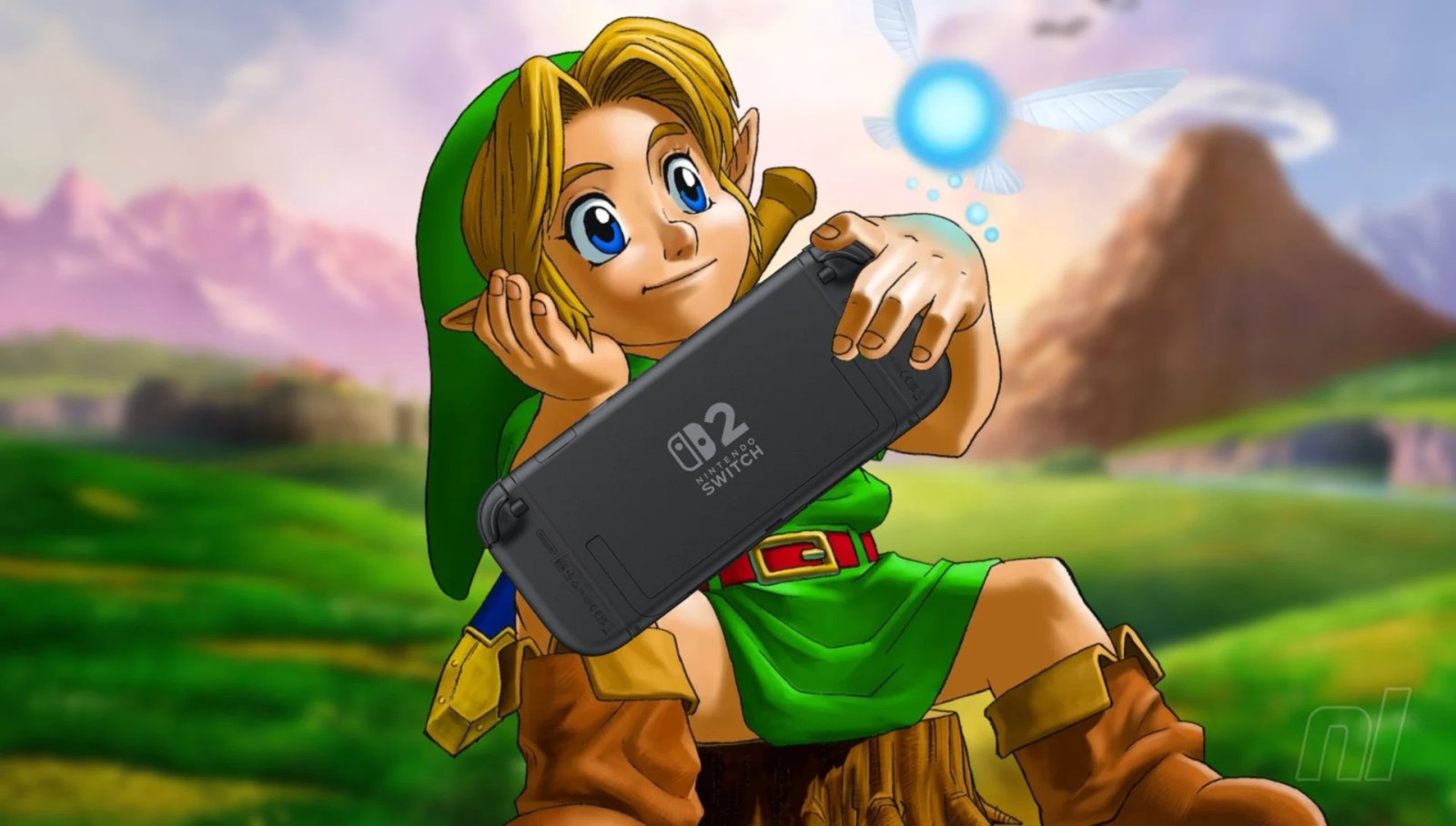
As the gaming industry prepares for the next phase of Nintendo’s hardware lifecycle, the upcoming Switch 2 platform has become the subject of intense focus. A significant development has emerged regarding the pricing model for high-profile software titles, specifically the anticipated remake of The Legend of Zelda: Ocarina of Time. New data from the Australian Nintendo eShop indicates a departure from standard pricing conventions, establishing a distinct price gap between digital downloads and physical retail media.
The Australian store listing displays the digital version of the title at $94.95 AUD. Industry analysts have cross-referenced this against previously released titles on the platform, such as the remake of Star Fox and the recently debuted Yoshi and the Mysterious Book. This comparison provides a reliable framework for estimating international costs. Based on these Australian benchmarks, the United States market is expected to see a digital price point of $59.99, while the physical cartridge release is projected to reach $69.99. This $10 difference highlights a strategic shift by Nintendo to incentivize digital distribution through its eShop storefront.
Hardware Evolution and Technical Specifications
The decision to charge a premium for physical media reflects the current logistics and manufacturing landscape for the Switch 2. While the physical version offers the utility of ownership and resale, the digital version serves as the baseline for Nintendo’s valuation of its software library. The Ocarina of Time remake represents a technical challenge for the developer, as it requires bringing a foundational 3D title up to the performance standards of next-generation hardware.
The rumored Switch 2 hardware is expected to support higher resolution textures, improved frame rate stability, and advanced lighting effects that were impossible on the original Nintendo 64 architecture. By pricing this title at the upper echelon of the market, Nintendo is signaling that the remake is more than a simple port; it is likely a ground-up reconstruction of the game’s assets. This allows for a more immersive experience for players while maximizing the technical output of the new console’s chipset.
Market Segmentation and Consumer Impact
This pricing structure serves as a clear marker of how Nintendo intends to manage its intellectual property moving forward. By creating a transparent tiered system—where digital users pay a lower price in exchange for forgoing a physical disk or cartridge—the company creates a segmented market. This strategy is beneficial for players who prefer the convenience of digital libraries, as they avoid the overhead costs associated with shipping, manufacturing, and distribution of physical inventory.
However, the $70 price point for physical copies places the Ocarina of Time remake in the same category as other blockbuster releases in the industry. For long-term Nintendo supporters, this represents an increase from the typical $60 historical price point. The impact of this decision will likely be felt across the broader console ecosystem, as it confirms that standard industry practices regarding retail pricing are now being fully adopted by Nintendo for its flagship titles.
Anticipating the 40th Anniversary Direct
The broader context for this announcement is the upcoming 40th anniversary of The Legend of Zelda series. Nintendo has scheduled a dedicated broadcast for September 8, which is expected to address not only the release date and final pricing of the Ocarina of Time remake but also the unveiling of new hardware accessories. Previous leaks have already hinted at a thematic Nintendo Switch 2 console and a corresponding Pro Controller, both of which are anticipated to feature design cues inspired by the series.
The Direct broadcast will likely provide technical demonstrations showing the remake in motion. Fans are looking for evidence of enhanced rendering engines, updated character models, and potentially new gameplay features that utilize the upgraded capabilities of the Switch 2. If the pricing revealed in Australia holds true for the global launch, it will be the first definitive confirmation of the financial commitment required to experience this classic title on modern hardware.
Long-term Value and Preservation
The controversy surrounding digital-versus-physical pricing often overlooks the value of software preservation. Remakes of historical titles like Ocarina of Time play a crucial role in maintaining access to gaming history. By porting these experiences to the Switch 2, Nintendo ensures that new generations of players can engage with the foundational mechanics that defined the action-adventure genre. The technical efforts involved in rebuilding the game—ranging from updated soundscapes to modern control schemes—justify the investment, even at a premium price point.
As the industry moves closer to the official launch of the Switch 2, the transparency regarding these costs allows consumers to make informed purchasing decisions. While the move toward digital-first pricing may be met with mixed reactions, it ultimately provides a clear structure for how premium titles will be managed. Whether users choose the convenience of digital downloads or the collection-oriented appeal of physical cartridges, the upcoming Zelda anniversary event promises to be a defining moment in Nintendo’s ongoing console generation.
Disclaimer: This content is auto-generated for informational purposes only.
Source: Read Original News