







The Structural Shift in Indian Mobility
The Indian automotive landscape is witnessing a structural transformation that marks a definitive departure from the historical dominance of petrol-powered passenger vehicles. Data from the Federation of Automobile Dealers Associations (FADA) confirms that in August, vehicles powered by alternative fuels—comprising Compressed Natural Gas (CNG), hybrid systems, and electric drivetrains—collectively surpassed petrol-engine sales for the first time. Accounting for 41.9% of retail sales compared to 40.8% for petrol, this shift signifies more than a mere market fluctuation; it represents a fundamental change in consumer behavior, influenced by long-term cost economics, energy security concerns, and the maturation of automotive technologies.
For decades, the Indian consumer’s choice was largely binary: petrol for urban efficiency or diesel for long-distance torque and fuel economy. The rise of alternative powertrains has dismantled this binary, introducing a multi-dimensional decision-making process. Buyers are no longer viewing these alternatives as experimental or niche. Instead, they are evaluating vehicles based on specific use-case utility, operational overheads, and the reliability of supporting infrastructure. As fuel price volatility persists and the automotive industry navigates the transition to E20 (20% ethanol-blended fuel) standards, the consumer has proactively sought stability in alternative energy sources.
CNG as the Primary Catalyst
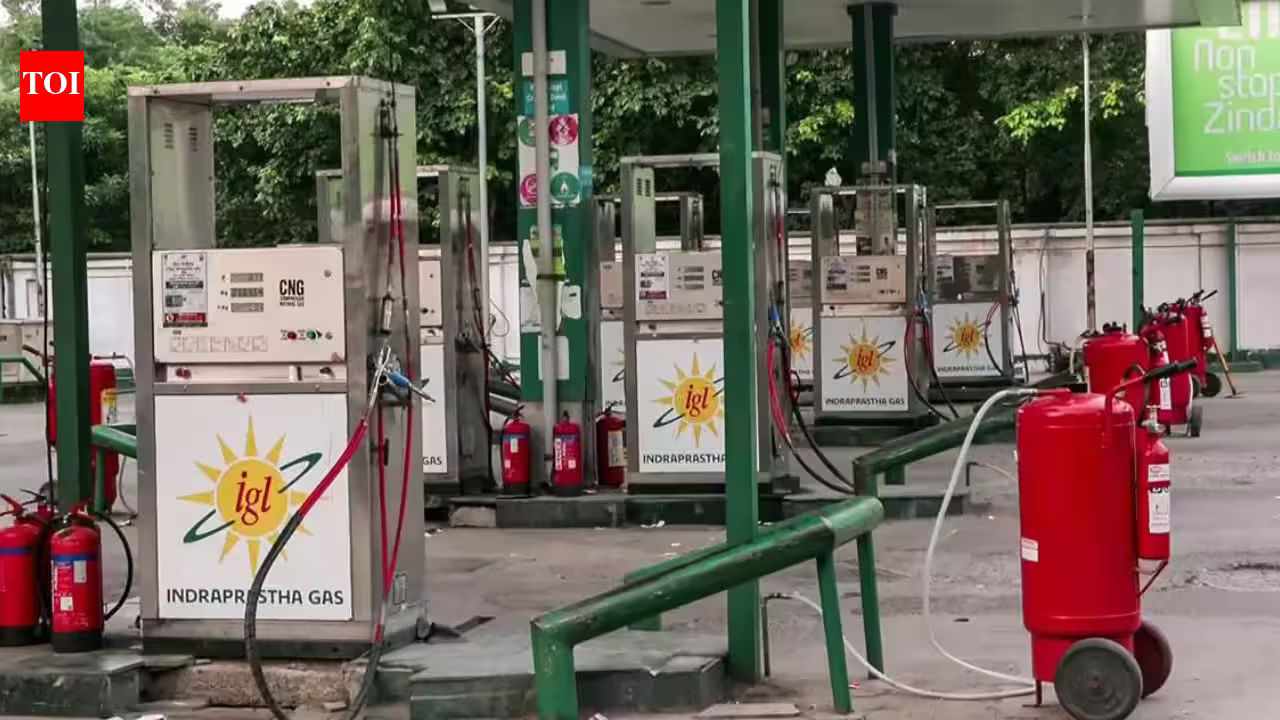
Within the basket of alternative fuels, CNG has emerged as the most significant disruptor, commanding a 25.2% market share. This surge is primarily driven by the pragmatism of the Indian middle class. CNG provides a distinct economic advantage, offering significantly lower running costs per kilometer compared to conventional petrol vehicles. Moreover, the anxiety surrounding the transition to E20 fuels—which can affect fuel efficiency and engine longevity in older internal combustion engine designs—has pushed a substantial segment of the buyer base toward factory-fitted CNG models.
Industry leaders, most notably Maruti Suzuki, have capitalized on this trend. By offering a diverse range of CNG-compliant models across hatchback and entry-level SUV segments, manufacturers have effectively neutralized the common drawbacks of the past, such as limited luggage space and poor performance. The inclusion of dual-cylinder technology and enhanced safety features has removed the compromises previously associated with gas-powered vehicles. As the national CNG dispensing network continues to expand into tier-2 and tier-3 cities, CNG remains the bridge technology for consumers who demand the low cost of electricity with the convenience and refueling speed of liquid fuels.
The Rise of Hybrid and Electric Vehicles
While CNG leads in volume, the segments for hybrid and electric vehicles (EVs) are growing due to a shift in demographic preferences and technological comfort. Hybrids, accounting for 9% of retail sales, have carved out a critical space for buyers who desire fuel efficiency and reduced emissions but remain hesitant regarding the current state of public charging infrastructure. By mitigating the “range anxiety” that often accompanies pure battery-electric vehicles, hybrids serve as an ideal intermediary for the suburban commuter. They offer a refined driving experience and superior mileage, appealing to the premium segment that prioritizes both sustainability and operational convenience.
Electric vehicles, holding a 7.6% share, continue to expand their presence steadily. Although adoption faces infrastructure-related friction, the cost-of-ownership benefits remain compelling. Tata Motors, holding a 43% share of the EV passenger vehicle market, has effectively democratized electric mobility by introducing models at accessible price points. The expansion is no longer limited to early adopters; rather, it is spreading to the mid-tier market where corporate fleets and environmentally conscious families are beginning to integrate EVs as their primary or secondary household vehicle.
Electrification Beyond Passenger Cars
The narrative of India’s mobility transition is further supported by developments in the two-wheeler, three-wheeler, and commercial segments. In August, EV penetration for two-wheelers reached 10.7%, a landmark achievement for a non-festive month. This data point suggests that electric scooters are now mainstream, no longer confined to small-scale pilot programs or niche enthusiast groups. The structural transition is most complete in the three-wheeler segment, where EVs now account for 65.3% of sales. This sector has naturally gravitated toward electrification due to the immediate financial incentives provided by lower maintenance and energy costs, which are critical for the commercial viability of auto-rickshaw operators.
The most promising development, however, lies in the commercial vehicle segment. Although starting from a low base, the EV share more than doubled to 5.2%. This transition from pilot projects to actual fleet procurement suggests that institutional buyers—such as logistics companies and last-mile delivery providers—are now convinced of the operational reliability of electric trucks and vans. When commercial entities begin to favor alternative powertrains, it signals that the total cost of ownership has tipped in favor of electrification, independent of consumer sentiment.
Market Implications and Future Trajectory
The collective growth of these segments indicates that the Indian automotive market is entering a phase of “technological pluralism.” Future policy frameworks and corporate strategies will likely focus on optimizing this mix rather than betting on a single solution. For the incumbent petrol engine, the road ahead is challenging. While it remains the largest single fuel type, its market share is being systematically eroded by the combination of CNG’s affordability, the hybrid’s efficiency, and the EV’s long-term sustainability.
For stakeholders in the Indian auto industry, the message is clear: the focus must shift toward flexible manufacturing and diverse product portfolios. The consumer, increasingly sophisticated and cost-conscious, is moving away from a one-size-fits-all approach. As the government continues to refine its FAME-related subsidies and the private sector accelerates investment in charging and refueling networks, the 41.9% market share for alternative fuels will likely become the new baseline rather than an anomaly. The coming decade will be defined by how effectively manufacturers can scale these technologies to meet the specific requirements of the vast, varied, and value-driven Indian market. By prioritizing innovation in powertrain diversity, the automotive sector is not only adapting to current economic pressures but is also aligning itself with global trends toward a lower-carbon mobility ecosystem.
Disclaimer: This content is auto-generated for informational purposes only.
Source: Read Original News