









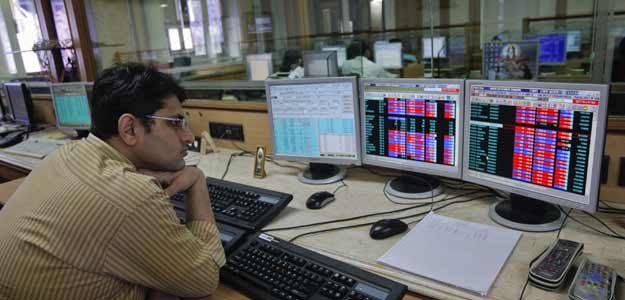
The Indian stock market witnessed a historic demonstration of technological and structural evolution on August 31, 2026, as the National Stock Exchange (NSE) successfully navigated a massive liquidity event. In a mere 15-minute window during the final moments of trading, the exchange processed a staggering Rs 39,718 crore in turnover. This volume, representing 22% of the entire day’s cash-market business, underscored the growing importance of the Closing Auction Session (CAS) in modern financial infrastructure.
Triggered by the MSCI index rebalancing, the surge saw over 98,000 investors participate in a mechanism that is rapidly becoming the gold standard for global price discovery. The sheer scale of the event—roughly 42 times the activity of a standard trading day—served as the first major stress test for a system designed to modernize how India’s equity markets settle their daily scores.
The Mechanics of Modern Market Settlement
The Closing Auction Session, which debuted on August 3, 2026, represents a fundamental shift in how exchange-traded assets determine their official closing prices. Previously, the “close” was an average of trades during the final 30 minutes, a method often susceptible to volatility and manipulation by thin, late-day trades.
The current system streamlines this process: normal trading ceases at 3:15 pm, followed by a transition period until 3:20 pm. From 3:20 pm to 3:30 pm, buy and sell orders are pooled together, with a random closing trigger occurring in the final two minutes to prevent last-second gaming. By 3:35 pm, the exchange identifies a singular equilibrium price where the highest volume of orders can be matched. This transition effectively moves the market away from fragmented, volume-weighted averages and toward a centralized, transparent auction model that aligns India with global institutional standards.
Navigating the New Risk Landscape
While the technical robustness of the NSE during the August 31 surge was lauded—handling 99.9% of the turnover—market experts caution that CAS changes the risk profile for traders. Hemant Sood, Managing Director of Findoc, notes that the auction has effectively transformed the market close into a “new risk window.”
For algorithmic traders and derivatives desks, the challenge lies in real-time management. Because cash-market stocks may find their equilibrium as late as 3:35 pm, while F&O trading continues until 3:40 pm, traders must now manage order imbalances and price discovery on the fly. This requires sophisticated, low-latency infrastructure to monitor indicative pricing and adjust hedging strategies without being caught on the wrong side of a price jump. The event highlights a broader trend in financial technology: as markets become more automated, the systems used to facilitate them must provide deeper, more transparent pools of liquidity to avoid the dislocations common in older, manual-heavy environments.
Strategic Advice for the Retail Investor
The shift toward auction-based closures carries a specific warning for retail participants. Unlike standard trading hours where “Market Price Protection” provides a safety net against erratic price swings, the auction environment operates under different rules.
Industry analysts emphasize that retail investors should exercise extreme caution during the final ten-minute window. Relying on “Market” orders during an auction can expose investors to significant slippage, as the lack of price protection means trades may execute far from expectations. To participate effectively, experts recommend utilizing “Limit” orders—specifying exactly what one is willing to pay—and accepting that during periods of extreme index rebalancing, such orders may remain unfilled.
Ultimately, the success of the CAS will not be defined by record-breaking days of volume, but by its ability to provide consistent, stable price discovery on a daily basis. As the infrastructure matures, it stands as a testament to the digital-first approach dominating the global finance sector, where precision and technology intersect to maintain market integrity.
Disclaimer: This content is auto-generated for informational purposes only.
Source: Read Original News