







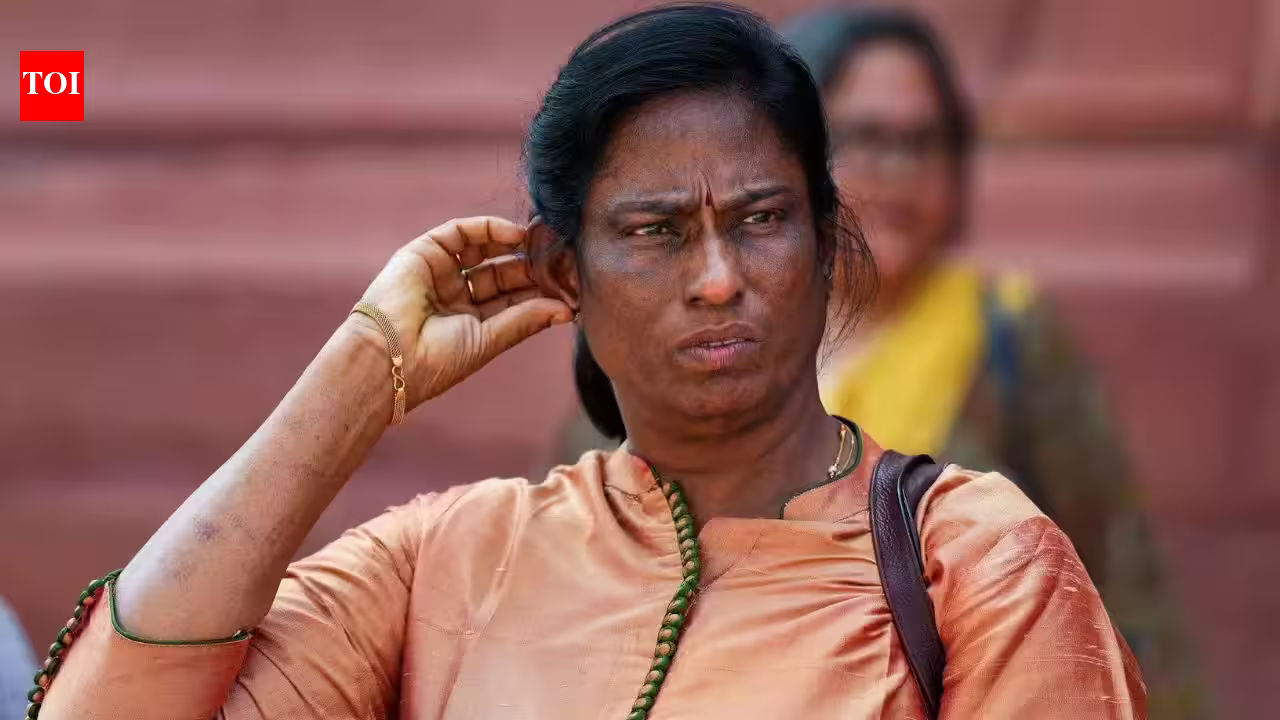
NEW DELHI — The Indian Olympic Association (IOA) stands at a pivotal crossroads this week as it prepares for a sweeping governance overhaul that promises to redefine the landscape of Indian sports administration. On Tuesday, the apex body will convene a critical Special General Body Meeting (SGBM) to adopt its amended constitution, a move mandated by the National Sports Governance Act of 2025. This constitutional realignment is not merely a bureaucratic necessity; it is the foundational precursor to the upcoming IOA elections, marking the conclusion of the first four-year tenure of the P.T. Usha-led executive committee.
The meeting, which coincides with the high-profile send-off ceremony for the Indian contingent heading to the Asian Games, brings together representatives from all affiliated National Sports Federations (NSFs) and State Olympic Associations (SOAs). As the IOA looks toward a December 10 deadline for its electoral cycle, the urgency to finalize this new framework has become the primary focus of the national sporting fraternity.
Aligning with the 2025 Mandate
The National Sports Governance Act, which saw select provisions come into effect on January 1, 2026, represents a bold legislative effort to standardize the administration of sports across the country. By mandating that the IOA align its constitution with this Act, the government aims to enforce transparency, accountability, and professional management across all Olympic disciplines.
Several pioneering federations, including those representing football, athletics, and cycling, have already completed the transition, setting a blueprint for others to follow. However, the path to compliance has been anything but smooth for the broader sporting ecosystem. Sources within the IOA suggest that the transition has unearthed significant logistical and structural hurdles that threaten to complicate the upcoming electoral process.
Structural Hurdles and Compliance Friction
The difficulty lies in the rigid requirements imposed by the new legislation. One of the most contentious points is the cap on the size of executive committees. The Act stipulates that governing bodies must have no more than 15 members, a sharp reduction for many federations that have traditionally operated with bloated committees. Trimming these bodies has caused internal friction, as stakeholders grapple with the consolidation of power and the redistribution of responsibilities.
Furthermore, the implementation of “Sportspersons of Outstanding Merit” (SOM) criteria has proven to be a complex sorting process. Defining and verifying the qualifications for these positions requires meticulous vetting, which many federations are finding both time-consuming and prone to internal debate. These challenges are compounded by long-standing issues regarding age limits, tenure restrictions, and the mandatory cooling-off periods for office-bearers. For veteran administrators, these rules signify the end of an era, while for proponents of reform, they represent a vital step toward infusing new blood into Indian sports governance.
Setting the Stage for December Polls
Tuesday’s SGBM is not just about adopting language in a document; it is about activating the election machinery. A critical agenda item for the meeting will be the appointment of the Returning Officer (RO). Under the new statutory framework, the RO must oversee a process that is compliant with the amended constitution, ensuring that the entire election cycle—slated for completion by December 10—is legally bulletproof.
The ratification of these changes is a race against time. Once the SGBM adopts the provisions, the subsequent ratification by the General Body will be the final hurdle before the IOA can formally announce its election schedule. The pressure on P.T. Usha and her team to navigate this transition without creating a vacuum in leadership is immense. Any delay in the ratification process could jeopardize the election timeline, potentially leading to administrative instability at a time when Indian athletes are looking to build on their global momentum.
The Ripple Effect: BCCI and the National Sports Board
The implications of these changes extend far beyond the IOA headquarters. Central to the new regulatory landscape is the formation of the National Sports Board (NSB), a powerful new entity that will wield the authority to grant or revoke recognition for NSFs. This represents a significant shift in the balance of power, moving away from self-regulation toward state-sanctioned oversight.
Perhaps most significantly, the shadow of the 2025 Act now looms over the Board of Control for Cricket in India (BCCI). While the BCCI has long operated with a degree of autonomy, the new governance framework is designed to bring all national sports bodies under a singular regulatory ambit. Once the NSB becomes fully operational, the BCCI, like its Olympic counterparts, will be required to apply for fresh recognition and ensure its electoral and administrative processes are in strict harmony with the 2025 Act.
As the IOA members gather in the capital this week, the atmosphere is one of transition and trepidation. With the eyes of the sporting world fixed on the Asian Games, the stakeholders must balance the fanfare of international competition with the grueling task of internal reform. For Indian sports, Tuesday marks the beginning of a new chapter—one where the governance of the game is finally expected to match the competitive spirit of those who play it.
Disclaimer: This content is auto-generated for informational purposes only.
Source: Read Original News