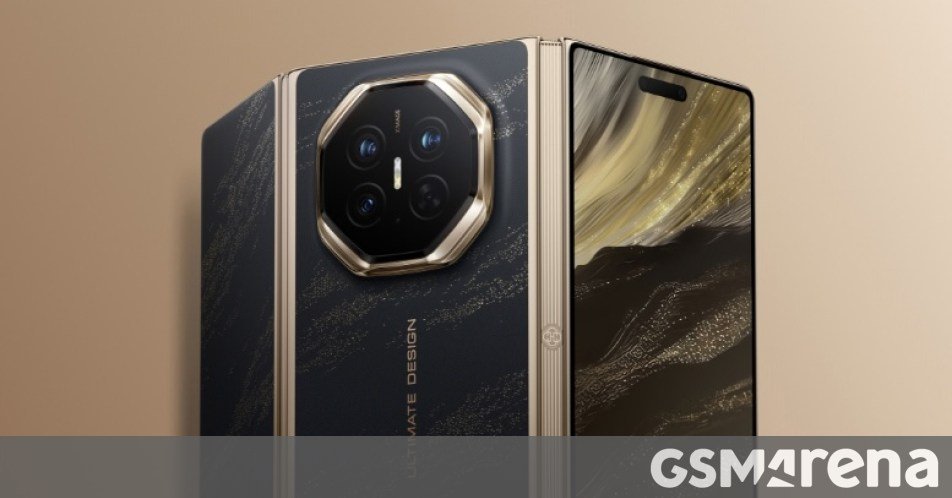









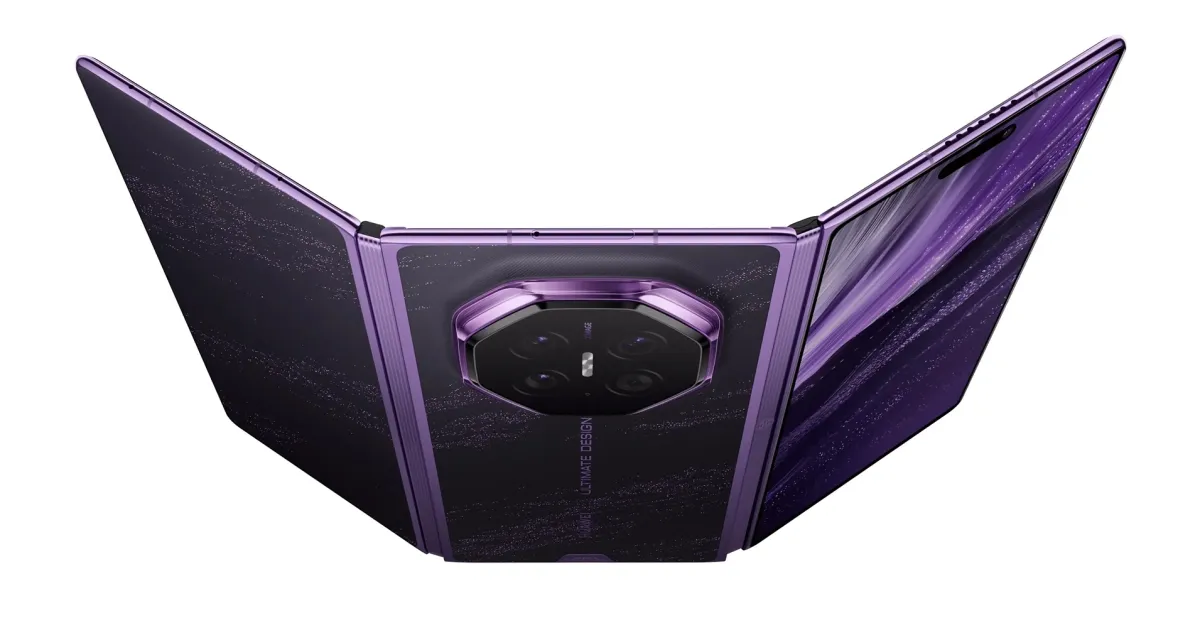
Huawei has officially expanded its foldable device portfolio with the launch of the Mate XT2, a next-generation tri-fold smartphone that incorporates high-end hardware with a specialized privacy-focused display technology. By shifting from previous design architectures to an inward-folding mechanism, Huawei aims to enhance device durability while pushing the boundaries of screen real estate in mobile devices.
A New Approach to Tri-Fold Engineering
The Mate XT2 marks a significant design departure from its predecessors. Previous iterations of tri-fold devices often utilized a portion of the primary display as an external screen when folded. The Mate XT2, however, adopts a design language similar to the Samsung Galaxy Z TriFold. By utilizing an inward-facing folding mechanism, the device ensures that the expansive 10.2-inch internal display is shielded from environmental exposure and potential surface damage when the device is closed.
This mechanical refinement is paired with a slim profile, measuring just 12.3mm when folded. Despite the complexity of the triple-hinge system and the internal surface area, the device maintains a weight of 299g, a notable achievement given the structural requirements for a tablet-sized screen that transitions into a standard smartphone form factor.
Advanced Privacy Display Integration
A standout feature of the Mate XT2 is the implementation of a Privacy Display, a technology previously popularized by the Galaxy S26 Ultra. This system utilizes advanced pixel manipulation to control the angle of light emission. When activated, the display restricts visibility to the user directly in front of the screen, effectively preventing onlookers from viewing sensitive information.
This feature is highly relevant for professionals who handle confidential data in public spaces or crowded environments. By limiting the field of view, the hardware adds a layer of security that software-based solutions cannot replicate. However, it is important to note that this specific functionality is tiered; it is exclusively available on the 16GB RAM/1TB storage variant and requires an additional investment on top of the already high price point of the device.
Performance and Internal Hardware Specifications
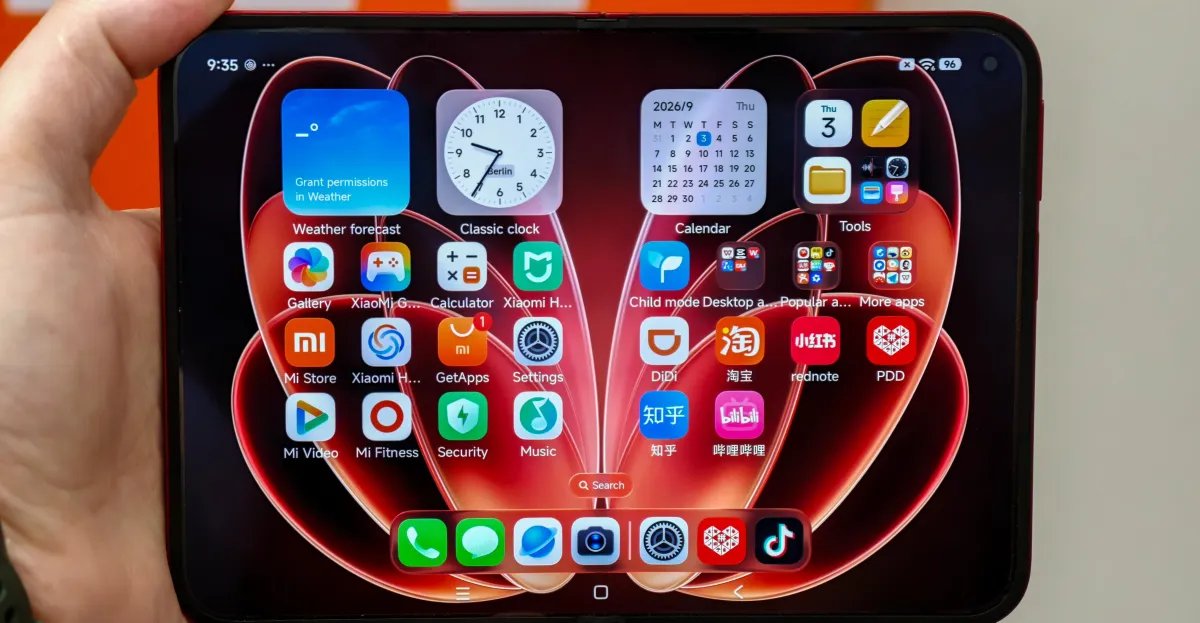
Under the hood, the Mate XT2 is powered by the Kirin 9050 Pro chipset, ensuring that the device maintains performance standards suitable for multitasking on such a large canvas. The internal environment runs on HarmonyOS 7, which has been optimized to handle the dynamic resolution transitions required as the device unfolds from a single screen to its full 10.2-inch state.
The device is equipped with a 5,600 mAh battery to support the power-intensive internal display. Camera capabilities are equally robust, featuring a triple-lens array on the rear. This setup includes a 50MP primary sensor, a 50MP telephoto lens with 3.5x optical zoom, and a 40MP ultrawide lens. These specifications suggest that Huawei intends for the Mate XT2 to serve as a flagship productivity tool rather than just a conceptual demonstration of folding technology.
Resilience and Build Quality
Durability is a primary concern for foldable devices, and Huawei has addressed this with the inclusion of IP58/59-rated dust and water resistance. These ratings indicate a high degree of protection against particulate matter and fluid ingress, which is vital for a device with multiple hinge points. The integration of stylus support further enhances the utility of the 10.2-inch display, allowing for precision work, note-taking, and digital annotation, which effectively bridges the gap between a portable smartphone and a professional workstation.
Market Availability and Future Implications
Currently, the Huawei Mate XT2 is priced at approximately $3,000 USD (¥19,999). At this time, the device is slated for a release specifically within the Chinese market. The combination of a high price, specialized hardware, and limited regional availability positions the Mate XT2 as an ultra-premium tier device intended for early adopters and enterprise users who require high-density screen real estate.
While the global availability of this specific model remains uncertain, the introduction of the Mate XT2 serves as a clear indicator of where mobile hardware is heading. By refining the tri-fold mechanism and standardizing privacy-focused display technology, Huawei is setting a technical benchmark. Whether this design philosophy will eventually influence the mainstream foldable market outside of Asia will depend on long-term user reception and the continued evolution of flexible display manufacturing processes. The Mate XT2 demonstrates that the industry is moving past the experimental phase of folding phones and into a period of functional, high-performance integration.
Disclaimer: This content is auto-generated for informational purposes only.
Source: Read Original News