








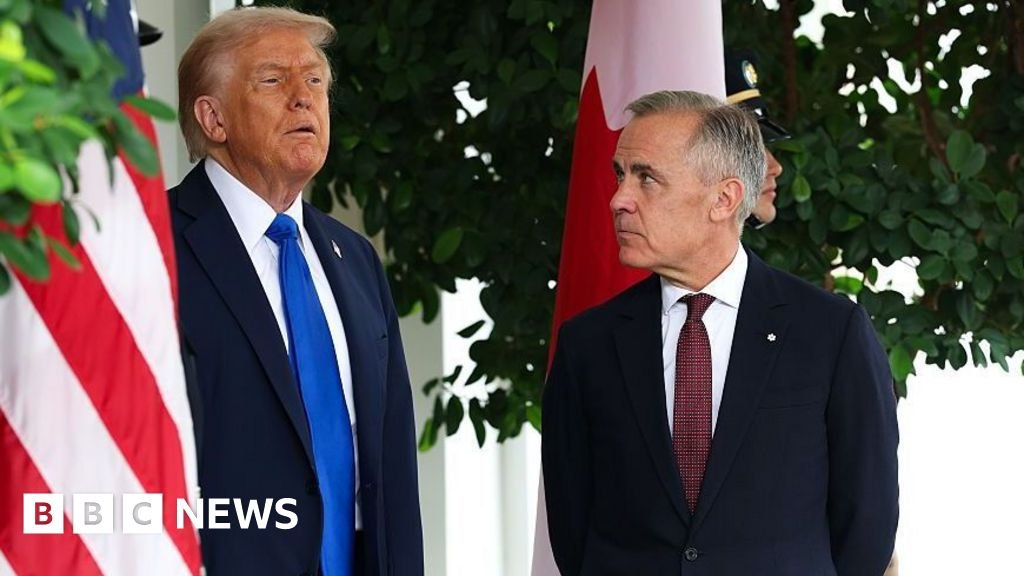
OTTAWA — Tensions between Ottawa and Washington reached a fever pitch this morning as a new wave of retaliatory Canadian tariffs on American goods officially took effect, marking a significant and volatile escalation in an ongoing trade war that threatens to disrupt the North American supply chain.
The move follows weeks of diplomatic friction and failed negotiations regarding cross-border trade practices, particularly concerning industrial materials and consumer products. As of midnight, the new levies, which span a wide range of sectors including steel, aluminum, and certain agricultural staples, are being applied at the border. The Canadian government describes the measures as a necessary response to persistent trade imbalances and what officials have termed “unfair protectionist policies” emanating from the United States.
“Canada has consistently sought a path of cooperation and mutual benefit,” a senior government official stated during a press briefing in Ottawa this morning. “However, we cannot and will not stand by while our domestic industries are systematically undermined. These tariffs are a direct and proportional response to the actions taken against our own producers. We remain open to dialogue, but the current state of play necessitates a firm stance.”
The immediate economic impact is already being felt across the continent. Logistics hubs at major border crossings reported a chaotic start to the business day as shipments are re-evaluated and customs officials process the new fee structures. Industry analysts are warning that the ripple effects will be swift, likely resulting in increased costs for manufacturers on both sides of the border who rely on integrated supply lines.
In Washington, the response from trade representatives has been swift and critical. The White House, which has previously argued that its own trade policies are designed to protect domestic national security interests, condemned the move as an “unjustified act of economic aggression.” Administration officials suggested that further countermeasures are currently under review, fueling fears that this standoff could spiral into a broader economic conflict that extends far beyond the current list of affected goods.
Economists are raising alarms about the potential for long-term damage. “This is not just a skirmish over specific commodities,” said Sarah Jenkins, a senior fellow at the Institute for North American Economic Policy. “This is a systemic breakdown in the trust that has underpinned US-Canadian trade for decades. If these measures are not rolled back in the very near future, we are looking at a permanent shift in how our two economies interact, which will ultimately hurt consumers in both nations through inflation and reduced choice.”
As global markets monitor the situation closely, business leaders in sectors as diverse as automotive manufacturing and retail are urging both capitals to return to the negotiating table. For now, however, the border remains a flashpoint of economic hostility, with little sign that either side is prepared to blink first.
Disclaimer: This content is auto-generated for informational purposes only.
Source: Read Original News