








Bengaluru Startup Pioneers Canine-Assisted Cancer Detection Through Breath Analysis
In a groundbreaking convergence of biotechnology and animal intelligence, a Bengaluru-based medical startup is making waves by training dogs to detect early-stage cancer in humans. By leveraging the highly sensitive olfactory systems of canine companions, the initiative aims to provide a non-invasive, cost-effective, and rapid diagnostic tool for screening various forms of malignancy.
Harnessing the Power of Canine Olfaction
It has long been documented that dogs possess an olfactory capability significantly more sophisticated than that of humans. While modern medical machinery often relies on biopsy or sophisticated imaging, the team at this Bengaluru venture has focused on “volatile organic compounds” (VOCs) emitted by cancer cells. These microscopic chemical signatures manifest in the breath of patients long before physical symptoms appear.
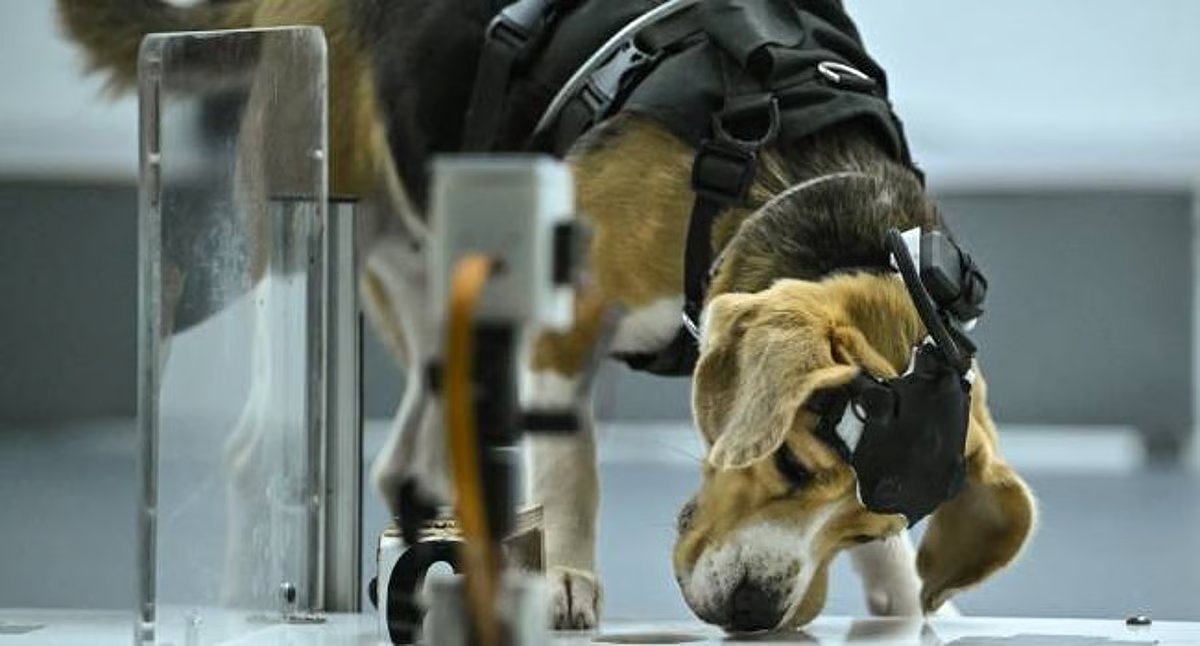
The startup’s program involves a rigorous, months-long conditioning process where dogs are trained to identify the specific scent profile associated with various cancer types. Using a series of breath samples collected in specialized containers, the dogs are taught to signal when they detect the chemical “fingerprint” of cancerous cells, differentiating it from benign breath patterns.
A Non-Invasive Diagnostic Revolution
For many patients, the fear of invasive procedures like biopsies or the high cost of PET scans acts as a barrier to early detection. The startup envisions a future where a simple “sniff test” could serve as a first-line diagnostic mechanism.
“The goal is not to replace clinical diagnosis, but to create a triage layer that is accessible to all,” says a lead researcher at the facility. “If a dog alerts on a sample, that patient can be prioritized for immediate clinical consultation and high-end imaging. It effectively shortens the diagnostic journey and can be deployed in remote areas where healthcare infrastructure is limited.”
Challenges and Ethical Considerations
The implementation of this project has not been without its hurdles. Critics and skeptics in the medical community have pointed to the potential for environmental factors—such as a patient’s diet, hygiene, or underlying secondary infections—to influence the VOCs in the breath, potentially leading to false positives.
In response, the startup is integrating proprietary sensor technology into the dogs’ workflow. Each canine is accompanied by a sensor-fitted harness that records data in real-time. This dual-layer approach—combining biological detection with digital sensor validation—aims to increase accuracy and ensure that the “canine-AI” hybrid system meets the stringent requirements of clinical trials.
Looking Toward the Future
The startup is currently collaborating with prominent Bengaluru-based oncology hospitals to conduct controlled blind tests. The preliminary results have shown a promising success rate, particularly in the detection of lung and oral cancers, which are prevalent in the region.
As the project scales, the organizers are focusing on standardizing the training methodology and expanding the pool of detection dogs. They emphasize that the animals are treated with the highest ethical standards, utilizing positive reinforcement techniques that keep the process engaging for the dogs.
If this pilot program continues to yield positive results, it could usher in a new era of preventative medicine in India. By utilizing man’s best friend to navigate the complexities of cellular biology, this Bengaluru startup is proving that the future of diagnostic medicine may be found in the most primal of senses.
Disclaimer: This content is auto-generated for informational purposes only.
Source: Read Original News