








The Burden of Hype: When Blockbuster Ambitions Turn Toxic
In the high-stakes ecosystem of the Malayalam film industry, the distance between a “pan-India” sensation and a box office disappointment is often measured in social media vitriol. For actress Aishwarya Lekshmi, the release of the 2023 action-drama King of Kotha was not merely a career hurdle; it was the beginning of a sustained, deeply personal ordeal. Three years post-production, the echoes of that film’s mixed reception still haunt her, highlighting a dark side of modern celebrity culture where digital mockery transcends the screen and leaves lasting scars on the artists themselves.
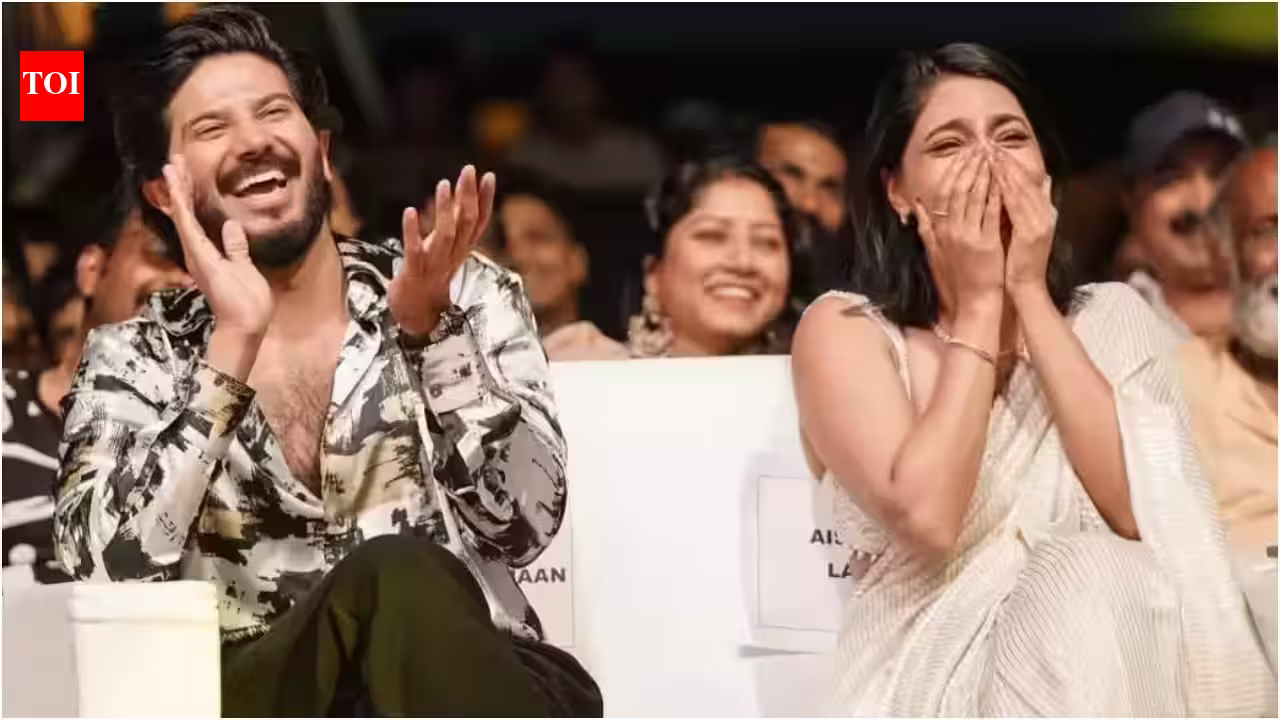
In a candid, soul-baring conversation with host Ranjini Haridas, Lekshmi peeled back the curtain on the industry’s fickle nature. She discussed how the massive expectations surrounding the Dulquer Salmaan starrer—a project heralded as a massive, stylish entertainer—eventually turned into a liability for those involved. For a performer, the stinging reality isn’t just a bad review in a trade paper; it is the realization that the industry’s gatekeepers might be viewing you through the lens of a failed experiment.
A Chill in Casting: The Industry’s Silent Retaliation
Perhaps the most poignant aspect of Lekshmi’s confession is her perception of how the Malayalam film industry shifted its stance toward her after King of Kotha. In an environment that often prioritizes safe bets and proven track records, the failure of a high-budget, high-profile project can lead to an unspoken “cooling off” period for its lead actors.
“After King of Kotha was released, I feel that it affected my career,” Lekshmi admitted. “That’s how I think about it. I could be wrong, but it was a film that came with such a huge amount of hype. As far as I know, after that, it felt like people in the Malayalam industry were afraid to cast me.”
This sentiment speaks to the precarious nature of acting in regional cinema. When a project becomes a lightning rod for criticism, the industry’s subconscious reaction is often to distance itself from those linked to the friction. For an actress who has proven her mettle in critically acclaimed roles, the suggestion that she became “uncastable” due to the failure of a single, over-hyped venture is a stinging indictment of the industry’s lack of nuance.
The Viral Vitriol: When ‘Rajuvetta’ Became a Weapon
Social media has a way of turning specific, benign elements of a film into cynical shorthand. In the case of King of Kotha, the target was a simple dialogue—the way Lekshmi’s character addressed Dulquer Salmaan’s protagonist as “Rajuvetta.” What was intended as a term of endearment within the film’s narrative became the central pillar of an aggressive, mocking campaign.
The trolling didn’t stop at anonymous accounts on X (formerly Twitter) or Instagram comment sections. It bled into the professional workplace. Lekshmi recounted a particularly painful moment on the set of her subsequent project, Hello Mummy, where an assistant director utilized the slur-like mockery of the dialogue to tease her. “It hurt me a lot,” she confessed.
This anecdote serves as a stark reminder that digital harassment is not a self-contained phenomenon. When the internet decides to humiliate an actor, that humiliation often follows them into their places of work, stripping them of the professional respect they deserve. It forces a performer to confront their own work—often with self-doubt—as Lekshmi admitted, “Many times, even I felt that what they were saying was right.”
The Fear of Recidivism: Breaking the Working Relationship
The most striking revelation from the interview is Lekshmi’s hesitation to collaborate with her King of Kotha co-star, Dulquer Salmaan, again. For two actors who might otherwise have had a functional, creative rapport, the shadow of the film’s failure has erected an invisible wall.
Lekshmi disclosed that when a subsequent opportunity arose for an advertisement shoot alongside Salmaan, she proactively advised the production team to reconsider, citing the potential for renewed backlash. “I don’t think I will be able to work with Dulquer Salmaan again,” she noted, highlighting how deeply the vitriol has eroded her confidence in navigating public perceptions.
It is a sobering realization: the trauma of the King of Kotha fallout has become so institutionalized in her mind that the prospect of a reunion is more stressful than professional. It highlights how the modern celebrity is not only managing their craft but also constantly calculating the cost of their associations in a social-media-obsessed world.
Moving Forward in the Shadow of ‘I’m Game’
As the industry moves forward, with Salmaan recently returning to the spotlight with his latest release, I’m Game, one has to wonder if the lessons of King of Kotha have actually been learned. While the new film navigates its own path through critical reception, the discourse surrounding the actors remains tethered to the ghosts of past failures.
Aishwarya Lekshmi’s honesty is a breath of fresh air in an industry that often demands a façade of bulletproof confidence. By articulating the pain of being judged, mocked, and ultimately sidelined by her own peers and audiences, she has humanized a process that is all too often treated as a cold, numbers-driven business. Whether or not she chooses to work with Salmaan again is secondary; the primary takeaway is the damage done when the “troll culture” is allowed to define a human being’s professional trajectory. Her story is a call for more empathy in an industry that desperately needs to remember that behind the screen, there are real people absorbing every insult.
Disclaimer: This content is auto-generated for informational purposes only.
Source: Read Original News