









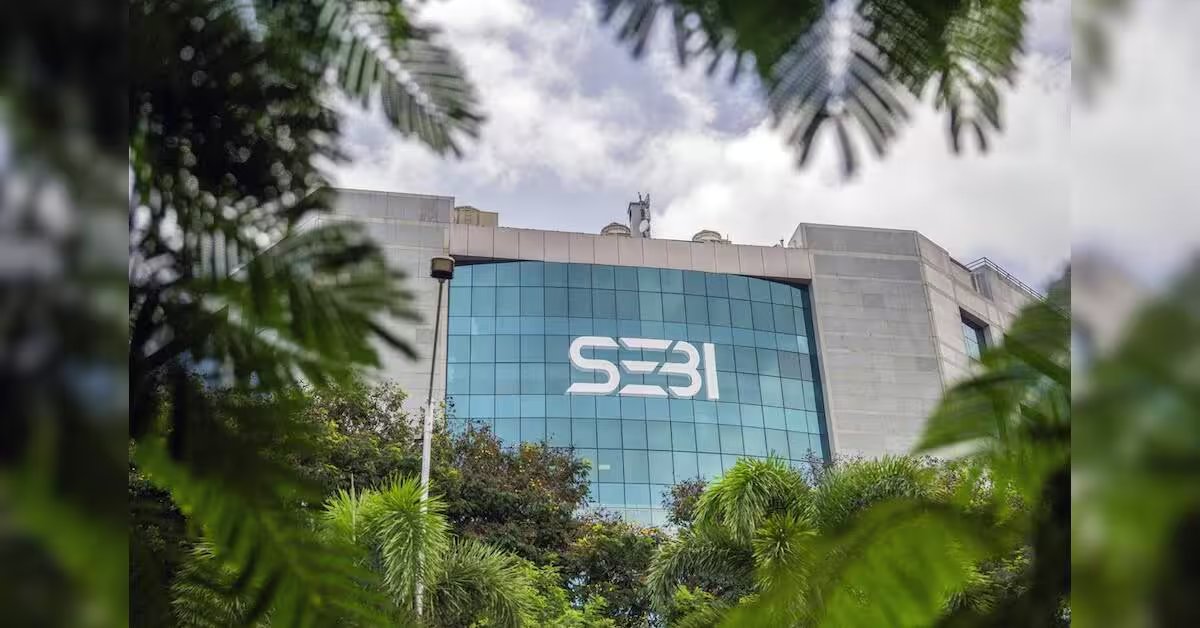
SEBI Takes Tough Stance: Global Wall Street Giants Face Unprecedented Scrutiny in India
India’s financial markets, now valued at a staggering $5 trillion, have become a focal point for global investment, but the red carpet once rolled out for foreign entities is now accompanied by a sharp regulatory lens. In a significant shift from the lax oversight of previous decades, the Securities and Exchange Board of India (SEBI) is increasingly targeting international financial titans, signaling that global reputation offers no immunity against local market conduct rules.
A Shift in Regulatory Intensity
The regulator’s new, proactive approach is no longer sparing industry heavyweights. Recent actions have ensnared global giants like JPMorgan Chase & Co., which saw a Mauritius-based unit accused of orchestrating manipulative stock trades. This follows a high-profile case involving Jane Street, where the US financial giant faced allegations of market manipulation—a claim it continues to contest while navigating the local legal system.
The scrutiny is broad-based, affecting firms such as Bank of America and Capital Group, both of which have found themselves responding to regulatory queries or settling claims regarding potential violations. These actions mark a departure from an era where foreign securities firms operated with relative autonomy in the South Asian nation. Today, Indian regulators are enforcing a culture of accountability that aligns more closely with the stringent frameworks seen in US and European markets.
Focus on Market Integrity
Under the leadership of SEBI chair Tuhin Kanta Pandey, the regulator has ramped up the use of advanced technology to monitor for unexplained market swings and suspicious trading patterns. A major area of concern is the Indian options market—the largest in the world by contract volume—where firms have historically sought arbitrage and market-making profits.
Regulatory intervention has been particularly focused on curbing practices that could destabilize the market, such as the placement of large, non-executable orders during closing auctions. In a recent order, SEBI alleged that a JPMorgan unit and a domestic brokerage, Mansi Share and Stock Broking, flooded the market with outsized orders that were subsequently canceled, thereby artificially influencing closing prices.
Protecting the Retail Investor
At the heart of this regulatory tightening is a mandate to protect India’s burgeoning population of retail investors. With data showing that retail participants lost roughly $9.6 billion in equity futures and options during the fiscal year ending March 2024, the regulator is under intense pressure to ensure a fair playing field. Ashwani Bhatia, a former SEBI official, noted that the scale of these losses necessitates urgent and decisive intervention to safeguard the market ecosystem.
The consequences of this new oversight have been palpable. Some high-frequency traders and market makers have begun to tread cautiously, with many opting to stay on the sidelines during the new closing-auction windows, fearing they might be forced to prove their innocence in the face of sudden market volatility.
A Maturing Market?
Despite the friction, legal experts and market analysts suggest that these regulatory hurdles are unlikely to deter long-term global investment. Instead, many view the increased demand for compliance as a sign of India’s growing market maturity.
“Scale, reputation, and global standing offer no shelter from India’s market-conduct rules,” said Pradyun Chakravarty, a partner at King Stubb & Kasiva. Similarly, Niren Patel of Khaitan & Co. emphasized that global firms are increasingly accepting higher compliance standards as an inevitable part of doing business in one of the world’s fastest-growing economies. While firms are currently scrambling to upgrade their local internal controls to meet these heightened expectations, the consensus remains that India’s growth story, backed by a more robust regulatory framework, remains a compelling draw for global capital.
Disclaimer: This content is auto-generated for informational purposes only.
Source: Read Original News