








Qatar Resumes LNG Transit Through Strait of Hormuz, Easing Supply Fears
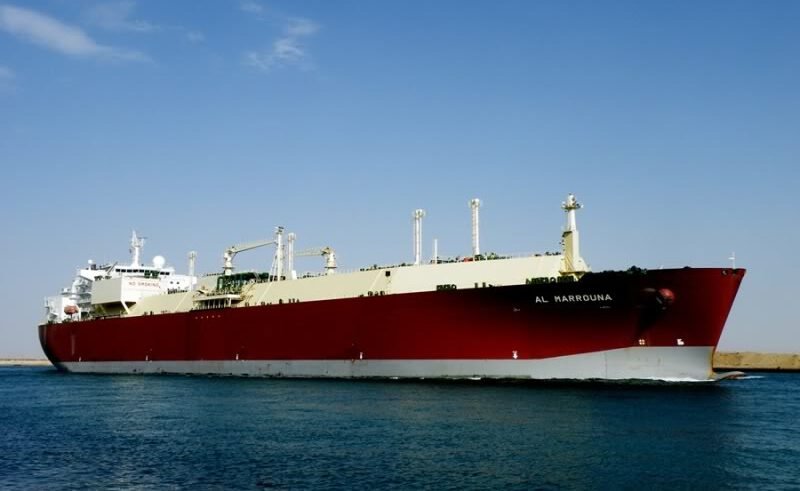
In a significant development for global energy markets, Qatar has successfully navigated a liquefied natural gas (LNG) tanker through the Strait of Hormuz for the first time since July. The transit signals a potential easing of the severe logistical bottlenecks that have plagued energy supply chains following the escalation of regional hostilities between the United States and Iran.
A Strategic Return to the Waterway
Shipping data monitored by Bloomberg confirmed that the vessel, Al Marrouna, traversed the Gulf of Oman earlier this week. The tanker, which had been under close observation by energy traders globally, has declared Port Qasim in Pakistan as its primary destination. This voyage marks the end of a self-imposed embargo initiated by Doha in late July, when Qatari officials directed all national tankers to avoid the critical waterway after one of their vessels came under attack.
For weeks, the suspension of transit through this maritime chokepoint exacerbated a global energy crisis. As one of the world’s leading LNG exporters—accounting for roughly 20% of global supply before the conflict intensified—Qatar’s decision to reroute or pause shipments created a profound vacuum in international markets. With European and Asian buyers struggling to secure fuel, prices reached their highest peaks in more than three years.
Managing the Crisis
While the Al Marrouna’s passage offers a glimmer of hope, the broader energy picture remains volatile. Last month, Qatar took the drastic step of extending force majeure on its delivery contracts to international buyers through October. To prevent a total shutdown of its massive production facilities, Doha had been forced to redirect some supply to Kuwait, using local storage to keep its export complex operational at minimal capacity.
The resumption of transit does not necessarily signal an immediate resolution to the ongoing conflict. Daily exchanges of fire between Tehran and Washington continue to turn the region into a flashpoint, and a diplomatic endgame remains elusive. However, the movement of the Al Marrouna is being interpreted as a calculated step toward normalizing trade routes, despite the persistent background of geopolitical tension.
Tehran’s Influence and Future Stability
Adding another layer of complexity to the energy narrative are recent statements from Iranian officials, who have suggested that a comprehensive deal to manage the security and regulation of the Strait of Hormuz is nearing fruition.
For energy markets, this potential agreement is a double-edged sword. While it could guarantee the safe passage of tankers, oil and gas traders are closely scrutinizing what a tightened Iranian grip on the strait might mean for shipping costs and insurance premiums. Furthermore, the international community remains wary of how a bilateral deal involving Tehran and Muscat might be received in Washington, potentially complicating existing sanctions and diplomatic efforts.
As the global market digests this latest development, the focus remains on whether this transit is a isolated event or the beginning of a sustained trend. For now, the successful passage of a Qatari vessel offers a much-needed reprieve, though the fragility of the global LNG supply chain persists as long as the underlying regional conflict remains unresolved.
Disclaimer: This content is auto-generated for informational purposes only.
Source: Read Original News