









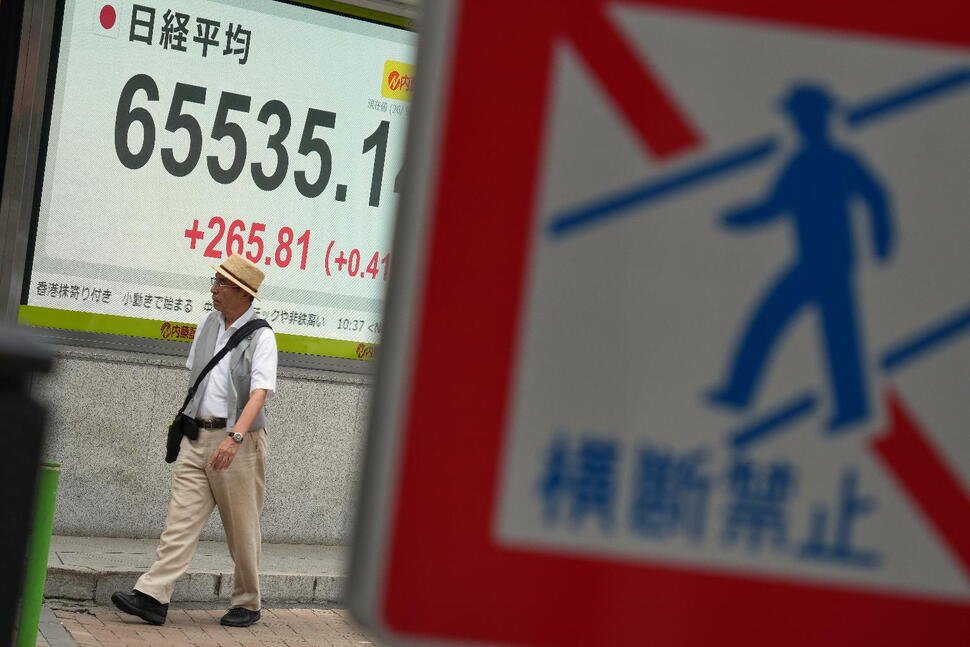
Asian markets presented a tapestry of cautious stagnation on Wednesday as investors grappled with the twin pressures of geopolitical instability and the looming uncertainty surrounding global monetary policy. The shift in sentiment comes as tensions in the Middle East drive oil prices toward the $100-per-barrel threshold, forcing traders to reevaluate inflation risks just days before critical U.S. economic data is slated for release.
## Geopolitical Risks Fuel Commodity Volatility
Rising concerns over the conflict involving Iran and its regional proxies have sent shockwaves through energy markets. Brent crude spiked 1.4% to reach $99.30, while U.S. benchmark crude climbed 1.2% to $94.17. For tech giants and manufacturing heavyweights that rely on energy-efficient logistics, the surge in oil costs acts as a “hidden tax,” threatening profit margins that have already been squeezed by high borrowing costs.
Investors are now looking toward the upcoming U.S. inflation report, which will provide a clearer picture of how much consumer price pressures eased in August. While economists anticipate a slight cooling to 3.3%, the figure remains significantly higher than the Federal Reserve’s 2% target, leaving the central bank in a difficult position as it prepares for next week’s high-stakes interest rate meeting.
## The AI Integration and Interest Rate Dilemma
While macro-economic headwinds dominated the headlines, the broader tech sector—particularly those invested in artificial intelligence—is watching the interest rate environment closely. High rates increase the cost of capital for R&D-intensive industries. The Nasdaq’s recent 0.3% dip reflects a broader apprehension among tech investors who fear that if the Federal Reserve maintains or raises interest rates to combat sticky inflation, the aggressive funding required to sustain AI infrastructure and data center expansion could become prohibitively expensive.
Furthermore, the integration of AI into global financial analysis is changing how firms respond to data. Hedge funds and algorithmic trading desks are increasingly using predictive AI models to parse Federal Reserve comments and Treasury statements in real-time. This digital speed has heightened market sensitivity, leading to the erratic, mixed trading patterns seen from Tokyo to Hong Kong this week.
## Currency Interventions and Future Outlook
Currency markets are also seeing significant intervention-led volatility. The U.S. dollar retreated against the Japanese yen following vocal pressure from the U.S. Treasury. Treasury Secretary Scott Bessent has taken a remarkably assertive stance, suggesting that those betting against the yen might face significant resistance. This rhetoric has rattled currency traders, as Japan prepares for its own central bank meeting to determine if it will move away from its long-standing loose monetary policy.
The interplay between the U.S. Fed’s interest rate decisions and the Bank of Japan’s policy shifts creates a complex environment for multinational corporations. As the U.S. Treasury seeks to stabilize the yen to prevent export imbalances, tech companies with significant exposure in the Japanese market—such as semiconductor manufacturers and consumer electronics firms—are bracing for a period of currency-driven earnings volatility.
As the markets await Friday’s inflation data, the mood remains fragile. With the Dow Jones having already shed 1.2% after the Labor Day break, market participants are bracing for potential turbulence. Whether the Federal Reserve opts for a dovish tilt or continues its war on inflation will likely dictate the market’s trajectory for the remainder of the year. For now, the combination of surging energy costs and the push-pull of international interest rate policy has left investors firmly on the sidelines, waiting for a definitive signal from global policy makers.
Disclaimer: This content is auto-generated for informational purposes only.
Source: Read Original News