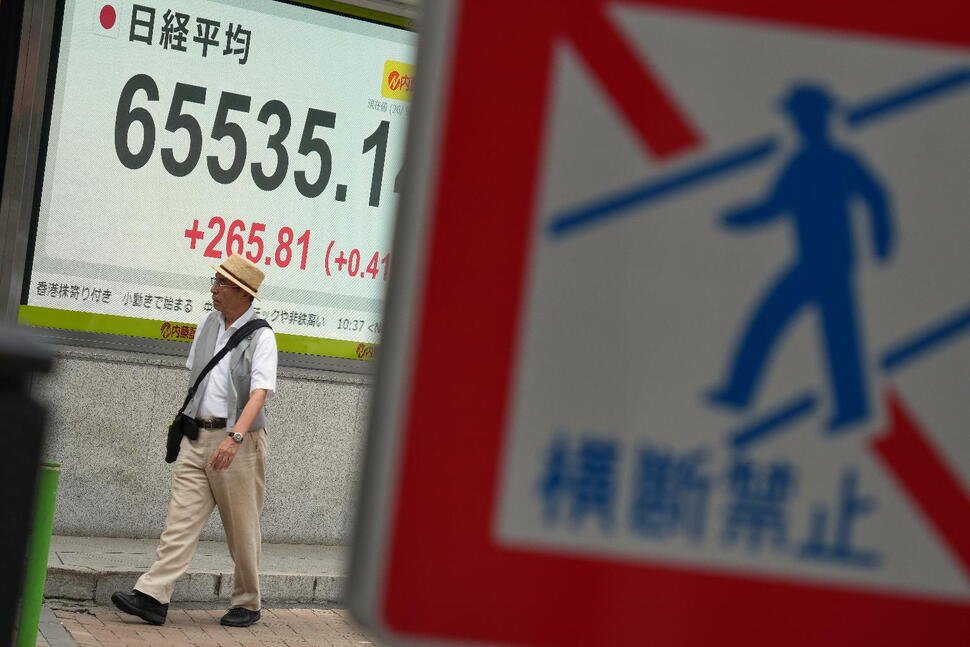










Asian markets displayed a cautious temperament on Wednesday as investors navigated a complex landscape defined by escalating geopolitical tensions and looming central bank interest rate decisions. The uncertainty rippled across the region, with major indices showing a mixed performance as traders balanced inflationary fears against the persistent climb in global energy costs.
## Geopolitics and Energy Markets Weigh on Global Sentiment
The primary driver of market anxiety remains the instability in the Middle East. Increased hostilities involving Iran and regional partners have begun to compress the global supply of oil, pushing prices toward the $100-per-barrel threshold. Brent crude surged by 1.4% to $99.30, while U.S. benchmark crude climbed 1.2% to $94.17.
These rising energy costs are casting a long shadow over the broader economic outlook, fueling fears that inflation—which remains significantly above the Federal Reserve’s 2% target—could prove more stubborn than anticipated. With a key U.S. consumer price report due this Friday, market participants are bracing for potential volatility. While economists forecast a slight cooling in inflation to 3.3%, the persistent gap between current data and the Fed’s target has kept bond yields elevated, with the 10-year Treasury yield hovering near 4.79%, levels not seen since late 2023.
## Central Banks at a Crossroads
As the global economy grapples with these pressures, central banks are entering a critical phase of policy decision-making. The U.S. Federal Reserve is scheduled to meet next week to determine the path for interest rates. The looming decision creates a unique political backdrop, with the administration advocating for lower rates to stimulate growth, even as high inflation remains a primary concern for monetary policymakers.
Simultaneously, the Bank of Japan is preparing for its own policy meeting. Expectations are mounting that the bank will implement a rate hike, though analysts remain focused on the potential scale of the move and the bank’s appetite for further tightening later this year. The currency markets have reacted sharply to this uncertainty, with the U.S. dollar dipping to 153.36 Japanese yen. This movement follows recent, high-profile interventions intended to support the yen, underscored by firm rhetoric from U.S. Treasury Secretary Scott Bessent, who recently warned traders against betting against the currency.
## Tech Industry and Macroeconomic Headwinds
While energy and geopolitics dominate the headlines, the tech sector remains hyper-focused on how these macroeconomic shifts will influence capital allocation and AI-driven growth. Recent declines in U.S. indices—including a 0.6% drop in the S&P 500 and a 1.2% slide in the Dow—have triggered concern among tech investors.
For the tech industry, these conditions present a dual challenge. On one hand, high interest rates increase the cost of capital, which can temper the aggressive R&D spending required for rapid advancements in artificial intelligence and cloud computing infrastructure. On the other hand, the tech sector, which is increasingly dependent on stable global supply chains, is particularly sensitive to the volatility in shipping and logistics caused by regional conflicts.
As corporations prepare to digest the upcoming inflation data and central bank announcements, tech leaders are expected to maintain a defensive posture. The industry is currently watching for signs of a soft landing; if inflation data indicates that price pressures are indeed receding, it could provide the necessary relief for tech stocks to regain momentum. However, until the energy-driven inflation narrative subsides, the market is likely to remain in a state of high-alert, favoring stability over speculative growth.
Disclaimer: This content is auto-generated for informational purposes only.
Source: Read Original News