








The ambitious Rail Baltica project, designed to integrate the Baltic states into the European rail network, is facing a critical juncture as the European Commission signals potential funding cuts. As the 870-kilometer high-speed line faces ballooning costs and persistent construction delays, the project has emerged as a central flashpoint in broader negotiations over the next long-term EU budget.
For years, Rail Baltica has been touted as a flagship infrastructure venture, intended to connect Tallinn, Riga, and Vilnius with the European standard-gauge network, effectively ending the Baltic region’s isolation from the rest of the continent. However, the project has been marred by significant budget overruns, with recent estimates suggesting the final bill could reach nearly double the initial projections of €5.8 billion.
Brussels has responded to these fiscal pressures with a firm stance. European officials have indicated that continued financial support is contingent upon improved project management and a more transparent accounting of the spiraling costs. The threat to withhold funds serves as a stark warning to the three Baltic governments: the EU’s patience for structural inefficiency is wearing thin, particularly as the bloc faces competing demands for investment in defense, green energy transitions, and digital infrastructure.
The tensions surrounding Rail Baltica reflect the growing strain on the European Union’s Multiannual Financial Framework (MFF). With the current budget cycle approaching its conclusion, member states are preparing for fierce debates over fiscal priorities. In this climate, large-scale transnational projects are under increased scrutiny. The European Commission’s skepticism towards Rail Baltica is symptomatic of a broader shift in EU policy, where “value for money” and project completion timelines are becoming as important as the strategic intent of the infrastructure itself.
In Estonia, Latvia, and Lithuania, the reaction to the potential funding freeze has been one of alarm. Local officials maintain that the project is essential not only for economic connectivity but for regional security. By creating a high-speed link that meets NATO’s logistical standards, Rail Baltica serves as a critical strategic asset in an era of heightened geopolitical volatility on the EU’s eastern flank. Baltic leaders argue that cutting funding now would not only jeopardize a multi-year investment but would also send a damaging signal regarding the EU’s commitment to internal cohesion and defense mobility.
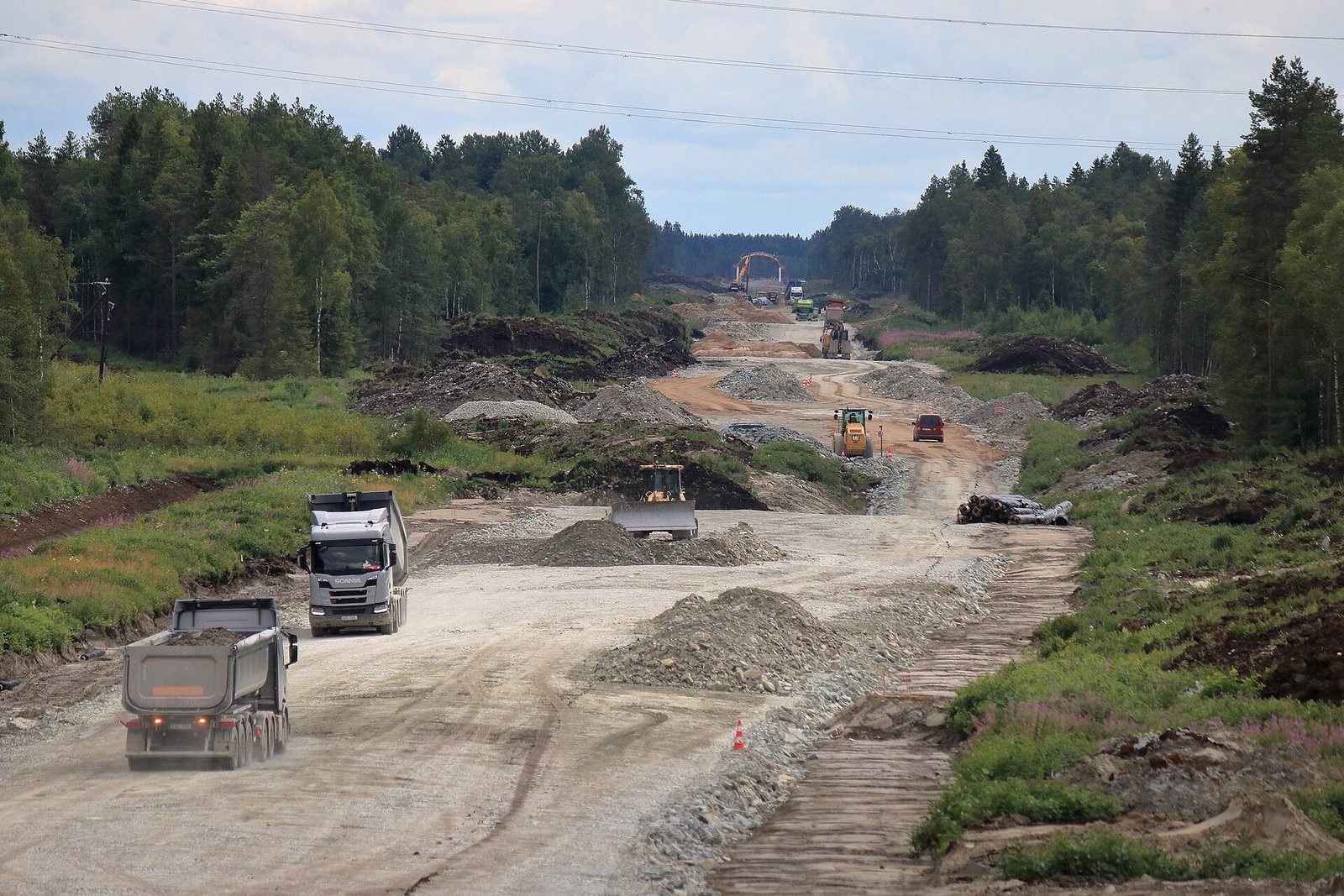
Technical challenges, however, continue to overshadow the geopolitical arguments. The sheer complexity of coordinating land acquisition, environmental impact assessments, and multinational procurement across three different jurisdictions has resulted in chronic scheduling setbacks. Construction sites, such as those in Estonia’s Rapla county, serve as both a testament to the progress made and a reminder of the massive scale of work still ahead. Auditors have repeatedly pointed to insufficient oversight and fragmented governance models as primary drivers of the delays.
The next few months will be decisive. The European Commission has requested a comprehensive revised plan from the project’s delivery vehicle, RB Rail, outlining how the remaining sections will be completed within a realistic timeframe and budget. Failure to provide a credible roadmap may force Brussels to reallocate funds to other cross-border connectivity projects that are demonstrating better fiscal performance.
For the Baltic states, the challenge is clear: they must demonstrate that Rail Baltica can be managed with the professional rigor demanded by Brussels, or risk losing their most significant EU-funded asset. As the budget talks in the European Parliament intensify, the fate of the railway will likely serve as a benchmark for how the EU intends to handle its most expensive, and most complicated, infrastructure commitments in the decade to come. The question now is whether the project can pivot from a symbol of European ambition to one of successful execution before the funding taps are officially tightened.
Disclaimer: This content is auto-generated for informational purposes only.
Source: Read Original News