







NEW DELHI — In a decisive move aimed at streamlining governance and aligning with international standards, the Indian Olympic Association (IOA) has officially shuttered the door on any potential loopholes regarding age restrictions for its leadership. Following a high-stakes Special General Body Meeting (SGBM) held in the capital this week, the apex body of Indian sports has confirmed that the 70-year age ceiling for all office-bearers and Executive Council (EC) members is now absolute, with no exceptions permitted.
The decision arrives as a clear directive from the International Olympic Committee (IOC), which has maintained a firm stance that no candidate, regardless of their past contributions or standing within the sporting ecosystem, can seek nominations or contest elections once they hit the seven-decade mark.
## Closing the Loophole: The Death of Article 14.3
For years, the internal mechanisms of the IOA were governed by a specific provision—Article 14.3—which historically allowed members over the age of 70 to contest elections, provided they could justify the candidacy through international charters or specific organizational statutes. This clause frequently served as a point of contention, leading to legal wrangling and internal friction as veteran administrators sought to extend their tenures.
However, the constitutional amendment adopted at Tuesday’s SGBM marks a definitive departure from that ambiguity. By removing the clause that granted such exceptions, the IOA has effectively locked the 70-year limit into its foundational documents.
“The IOC has been crystal clear on this matter,” a senior IOA official confirmed to reporters following the meeting. “They have stated that the age cap is 70 years. There is no room for further interpretation or relaxation. Accordingly, the IOA constitution has been amended to reflect this reality, ensuring our governance structure is in total harmony with the global Olympic movement.”
## A New Era of Tenure Regulation
The constitutional overhaul was not limited solely to age caps. In an effort to professionalize the administration of sports in India and prevent the entrenchment of power, the SGBM also ratified a series of term limits that redefine the career trajectory of potential office-bearers.
Under the new guidelines, office-bearers and EC members will be permitted to serve a maximum of three consecutive terms in their respective positions. These terms can be served either in the same capacity or in a combination of different roles, after which a mandatory “cooling-off” period will be enforced.
Crucially, the assembly also maintained specific safeguards for the two most sensitive positions within the organization. The presidency will remain limited to a maximum of three terms, while the role of treasurer—a position that demands rigorous fiscal oversight—remains capped at two terms. These measures are designed to promote institutional turnover, bringing fresh leadership and modern perspectives into the IOA’s high-level decision-making process.
## The Path to Ratification
The SGBM served as a critical forum for stakeholders, including top IOA officials, representatives from various National Sports Federations (NSFs), and delegates from the State Olympic Associations (SOAs). While the amendments were adopted by the body during the meeting, the process is not yet fully complete.
The next step in the administrative journey involves moving these amendments before the General Assembly for formal ratification. Once ratified, the updated constitution will serve as the guiding document for all future organizational activities, including the upcoming electoral cycle.
Despite the significant nature of these changes, the organization remained tight-lipped regarding the schedule for the next IOA elections. No dates were announced at the conclusion of the SGBM, leaving the sporting community in suspense as to when these new rules will be put to their first real-world test.
## A Signal to Global Sports Authorities
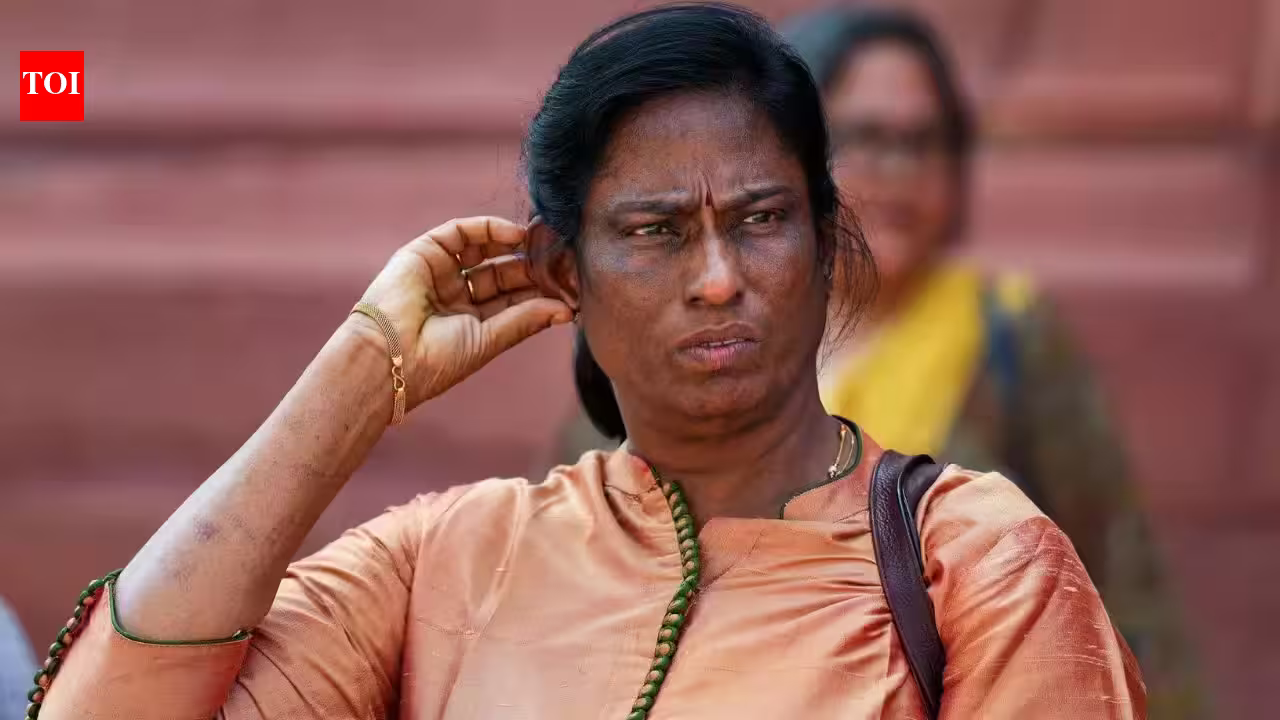
The move is widely seen as a calculated attempt by the current IOA leadership, headed by President PT Usha, to appease international stakeholders and stabilize the governance of Indian sports. The Indian sporting landscape has often faced scrutiny from the IOC regarding administrative autonomy, age limits, and the presence of political figures in sports management.
By proactively adopting these strict age and tenure protocols, the IOA appears to be insulating itself from future governance crises. The alignment with the IOC’s mandates ensures that India remains in good standing with the global body, a prerequisite for hosting international events and receiving continued support for the country’s Olympic development programs.
As the IOA moves toward this restructured future, the focus now shifts to the upcoming General Assembly, where the ratification of these rules will solidify the mandate for change. For the seasoned administrators who have long held the reins of power, the writing is now on the wall: the era of indefinite tenure and flexible age interpretations is officially over. The future of the Indian Olympic movement will be defined by the next generation of leaders, operating within a framework of clear, immovable constraints.
Disclaimer: This content is auto-generated for informational purposes only.
Source: Read Original News