







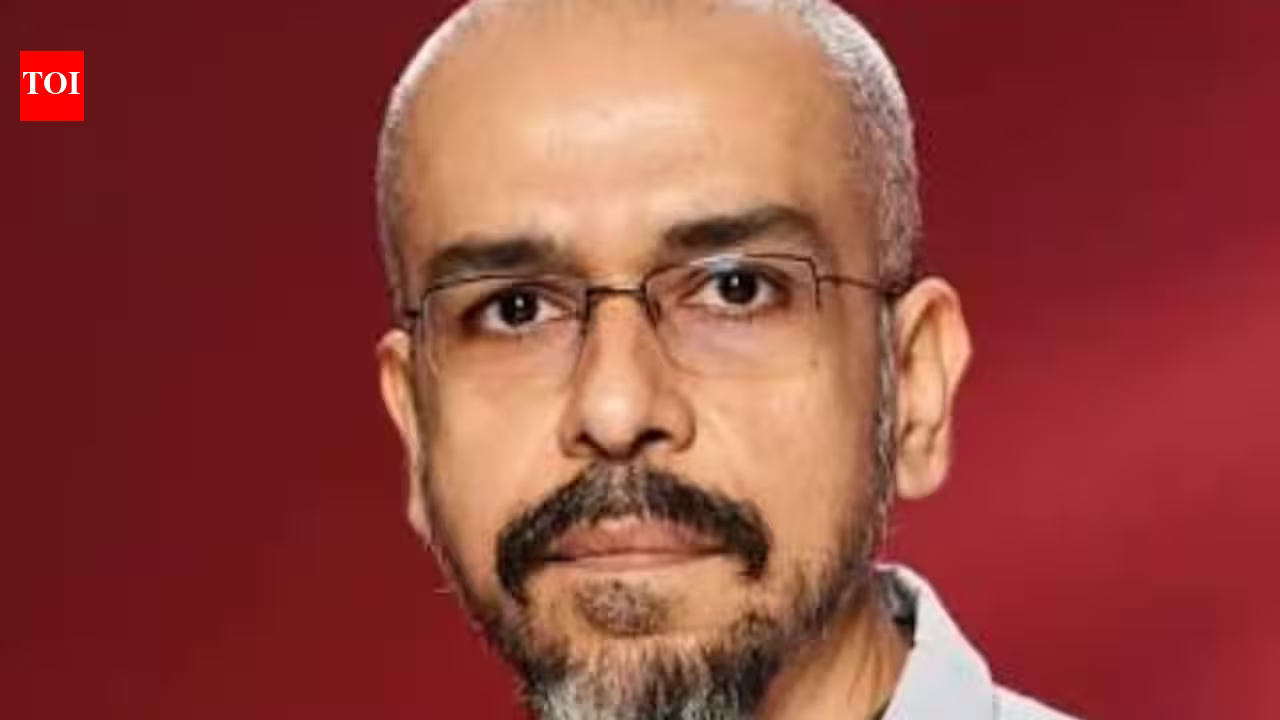
In the high-stakes, glittering world of Bollywood, the narrative of a “breakthrough” is often polished until it gleams. We hear about the lucky break, the mentorship under a titan, and the meteoric rise. But for filmmaker Devashish Makhija, the story of his early days at Yash Raj Films (YRF) isn’t a fairy tale of instant success—it’s a stark, sobering lesson in the volatility of the dream factory.
Recently opening up about a period in his mid-twenties that he describes as a “lost chapter,” the director behind the gritty, acclaimed films Ajji, Bhonsle, and the survival thriller Joram has pulled back the curtain on why he walked away from one of the most coveted contracts in the Indian film industry.
From Railway Stations to the Director’s Chair
Long before he was a critically lauded filmmaker navigating the complexities of independent cinema, Makhija was just another face in the chaotic sprawl of 1990s Mumbai. He arrived in the city of dreams with nothing but a hunger to tell stories and a mere Rs 700 in his pocket. With no connections, no pedigree, and no place to stay, he spent three grueling nights sleeping on a bench at the Goregaon railway station.
It was a baptism by fire that would define his perspective on the industry. Instead of waiting for a serendipitous encounter, he took a cold, calculated approach to his career: he hunted down a ‘Film Directors Index,’ sat at public telephone booths, and started cold-calling. He made at least 100 calls, a feat of persistence that eventually connected him to none other than Anurag Kashyap. That connection proved to be the spark he needed, landing him a role working on the script structure and research for the seminal crime drama Black Friday. From there, he navigated his way to assisting Shaad Ali on the hit Bunty Aur Babli, a project that would eventually pave his path into the hallowed halls of YRF.
The Crushing Weight of a Shelved Dream
By 27, Makhija had secured a three-film deal with Aditya Chopra—the cinematic equivalent of hitting the jackpot for a young filmmaker. It was meant to be the launchpad for his career, starting with an ambitious animated feature intended to follow the release of the 2008 experiment Roadside Romeo.
The reality, however, was far more fragile. Makhija’s fate was tethered to the box office performance of another film, and when Roadside Romeo stumbled, the corporate axe fell on his project. He characterizes this event as perhaps the first time a project was officially shelved by the powerhouse studio in such a manner. For a young, burgeoning talent, those three years of development didn’t just feel like a professional delay; they felt like a stolen chapter of his life.
“I lost 3 years there,” Makhija shared in a recent conversation. “Roadside Romeo had to succeed for my film to get made. It tanked, and they shut my film.”
Choosing the Road Less Traveled
Faced with the prospect of waiting in the wings for a studio system that prioritized commercial insurance over his creative vision, Makhija made a radical choice: he walked away. It is an act of defiance that is almost unheard of in an industry where people wait decades just for a meeting with a producer like Aditya Chopra.
“I said, ‘I have lost three years so let me go. If I feel like coming back I will, but I have other stories inside me,’” he recalled. This pivot changed the trajectory of Indian independent cinema. Free from the constraints of a major studio, Makhija traveled to Andhra Pradesh, Orissa, and Chhattisgarh. He immersed himself in the lives, struggles, and histories of Adivasi communities. This period of deep, empathetic research provided the soul for Joram, a film that would later earn him widespread critical acclaim.
When asked about the “what-ifs,” Makhija admits his career would have looked entirely different had he stayed. He likely would have become a staple of mainstream commercial cinema, churning out polished, high-budget entertainers. Instead, he chose the precarious, often agonizing, but infinitely more rewarding path of an auteur.
The Price of Artistic Integrity
The path of an independent filmmaker is rarely paved with gold, and Makhija has been characteristically transparent about the harsh economic realities of his journey. Despite the critical success of Ajji and Bhonsle, the financial strain of his work has been immense. The most poignant example is the aftermath of Joram.
The film, which garnered significant praise, was a labor of love that came with a brutal price tag. Reports indicate the film, starring the powerhouse Manoj Bajpayee, was made on a lean budget of Rs 1 crore but saw a meager box office return of Rs 16 lakh. For an independent director, such a deficit isn’t just a statistic; it is a direct blow to personal stability.
In a 2024 interview with Pranav Chokhani, Makhija confessed to a level of vulnerability that most directors would be terrified to share: he had been unable to pay rent for nearly five months following Joram’s release. “I am over 40 years old, and I cannot even afford to buy a bicycle,” he noted with sobering honesty.
Defining Success on One’s Own Terms
Now, with the release of Gandhari—his latest project and his first time directing a film based on someone else’s script—Makhija stands at a fascinating juncture. He is a director who has rejected the safety net of the studio system, suffered the sting of bankruptcy, and survived the slow erosion of a “dream” career.
He remains an outlier in an industry that demands conformity. While his contemporaries in the mainstream space may enjoy the perks of massive production houses and guaranteed distribution, Makhija carries the weight of a different kind of authority: the authority of a storyteller who has seen the bottom of the pit and kept his voice intact.
His journey, from that lonely railway station in Goregaon to the director’s chair, serves as a testament to the fact that in the film industry, you can either chase the contract or chase the story. Devashish Makhija chose the story, and while the bill for that choice has been high, it has left him with a filmography that is, if nothing else, entirely and unapologetically his own.
Disclaimer: This content is auto-generated for informational purposes only.
Source: Read Original News