







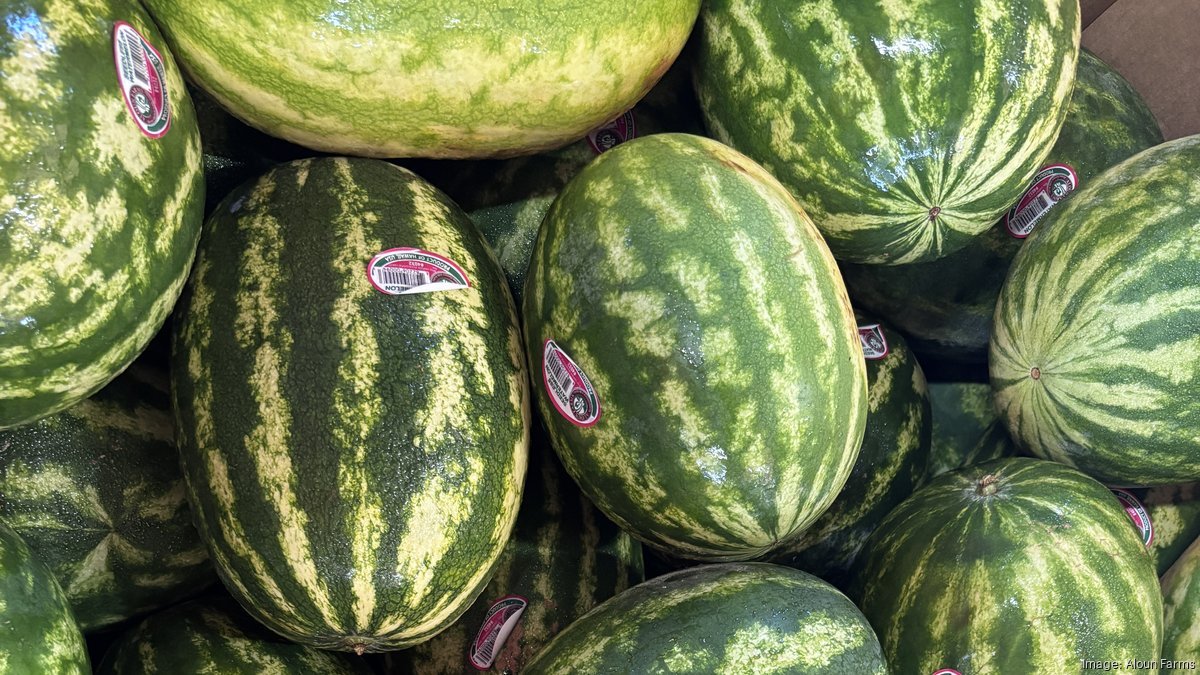
KEKAHA, Kauai — The agricultural landscape of Kauai has been left reeling following the destructive path of Hurricane Lowell, which has inflicted millions of dollars in damages on Aloun Farms. As the island begins the long road to recovery, the storm’s impact has highlighted the fragility of rural infrastructure and the critical role that data-driven technology now plays in disaster response and agricultural resilience.
## A Devastating Blow to Local Agriculture
Aloun Farms, a cornerstone of the Kekaha agricultural community, has reported catastrophic losses across its operations. The severe flooding and high winds decimated the company’s specialized shrimp aquaculture facilities, washing away infrastructure and inventory that took years to cultivate. Beyond the aquaculture sector, the storm destroyed vital irrigation channels and cut off critical road access to the Kekaha region. For a company that balances traditional farming with modern supply chain logistics, the damage represents a significant setback for Kauai’s food security.
“The physical destruction is profound,” said a spokesperson for the farm, noting that the combination of eroded access roads and flooded acreage has halted operations indefinitely. While crews work to clear debris, the economic impact is expected to stretch into the millions as the farm assesses the structural integrity of its remaining equipment.
## Leveraging Google Tools for Disaster Assessment
In the wake of the destruction, local authorities and private enterprises are increasingly turning to Google’s suite of geospatial and productivity tools to manage the crisis. Teams surveying the damage to Aloun Farms have utilized Google Earth and high-resolution satellite imagery to identify blocked thoroughfares and pinpoint areas where floodwaters have yet to recede.
By integrating this visual data with Google Maps’ real-time traffic updates, emergency managers have been able to coordinate more efficient supply runs to the isolated Kekaha area. These digital mapping tools have proven indispensable, allowing recovery teams to bypass impassable routes and prioritize the restoration of critical infrastructure. Furthermore, businesses in the region are leveraging Google Workspace to maintain communication and manage logistics amidst the fragmented state of physical connectivity, demonstrating how cloud-based collaboration can serve as a lifeline when traditional infrastructure fails.
## The Role of AI in Future Climate Resilience
As Kauai grapples with the aftermath of Hurricane Lowell, the conversation among agricultural leaders has shifted toward how artificial intelligence and predictive modeling can better prepare the region for future climate-related events. AI-driven meteorological models—many of which are developed using Google’s advanced TensorFlow frameworks—are becoming standard tools for predicting flood zones and rainfall accumulation with unprecedented accuracy.
For high-risk operations like those at Aloun Farms, future resilience may rely on AI-enhanced “digital twins” of their facilities. By creating virtual models of land and equipment, farms can simulate the impact of extreme weather patterns, allowing for proactive, automated protection measures. This tech-forward approach aims to move agriculture away from purely reactive recovery and toward a more proactive, predictive model.
The tech industry’s influence in the recovery process is not just limited to observation; it is fundamentally changing the speed at which disaster assessment occurs. By harnessing the power of cloud computing to analyze vast datasets regarding soil saturation and wind patterns, local growers are beginning to build a clearer picture of how to rebuild for a more volatile climate. While the road ahead for Aloun Farms is arduous, the synthesis of agricultural grit and advanced technological integration provides a necessary roadmap for the future of farming in Hawaii. As the island works to restore the Kekaha access routes, the focus remains on leveraging these digital solutions to ensure that the next storm finds a more resilient and prepared agricultural community.
Disclaimer: This content is auto-generated for informational purposes only.
Source: Read Original News