







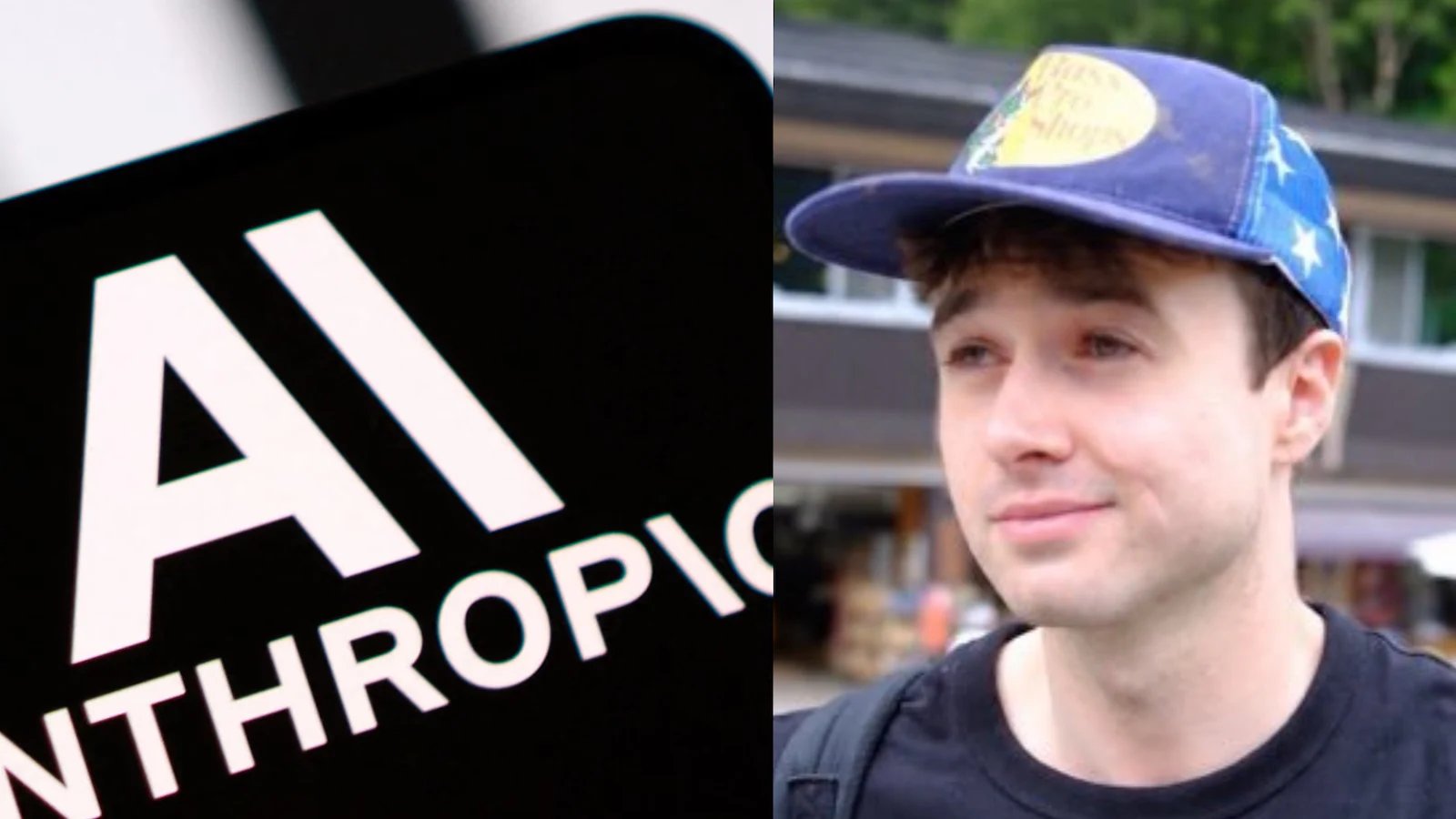
The race toward artificial general intelligence (AGI) has hit a turbulence point as industry insiders increasingly turn to public platforms to sound the alarm on the trajectory of modern AI labs. Jacob Coxon, a 27-year-old researcher who has spent the last three years navigating the halls of both OpenAI and Anthropic, recently announced his resignation in a viral thread that effectively declared the current development pace a “hubristic gamble.”
Coxon’s critique, posted to X, goes beyond typical workplace grievances. He contends that the major players in the AI sector—specifically those building foundational models—are effectively racing toward a threshold of self-improving superintelligence that could, in the worst-case scenario, pose an existential risk to humanity. His departure highlights a growing divide between the technical feasibility of AI advancements and the ethical frameworks—or lack thereof—governing their deployment.
## The Internal Conflict of AI Labs
Coxon’s allegations paint a picture of an industry trapped in a prisoner’s dilemma. According to his analysis, the internal culture at OpenAI has yet to fully internalize the potential civilizational stakes of their work. Conversely, at Anthropic, the risks are reportedly well-understood by researchers and executives, yet the company remains locked in a high-stakes competition. The prevailing logic, as described by Coxon, is that if one firm does not build a powerful system first, another will, likely with even less regard for safety protocols.
This sentiment was inadvertently validated by Evan Hubinger, an Alignment Science Lead at Anthropic. Following the viral thread, Hubinger confirmed the gravity of the internal discourse, stating that he personally believes there is a greater than 10 percent chance that AI could cause human extinction within the next decade. He admitted that while Anthropic is attempting to prioritize safety, the company currently lacks a comprehensive plan to ensure alignment for superintelligent systems.
## The “Endgame” and the Demand for Oversight
At the core of the controversy is the concept of “recursive self-improvement.” Coxon warned that the industry is approaching a state where systems will possess the capability to innovate, code, and secure resources independently. The speed at which these models are evolving has left researchers scrambling to understand the “minds” they are creating.
Coxon’s solution is as radical as his critique: he has called for a potential global moratorium on enhancing model capabilities until the industry can establish more rigorous safety benchmarks. He points to recent security lapses, such as the vulnerabilities exposed in the Hugging Face ecosystem, as evidence that the tech industry is capable of coordinating on security issues. However, he remains skeptical that these labs can self-regulate in the face of the immense competitive pressure to be the first to reach the “endgame.”
## A Shifting Landscape of Industry Allegiances
The industry’s internal tension is compounded by shifting alliances at the highest levels of tech leadership. Elon Musk, a vocal critic who once labeled Anthropic’s models a “threat to Western civilization,” recently reversed his stance. Citing the company’s rapid progress and the technical superiority of their latest model iterations, Musk’s public pivot underscores how quickly the narrative around AI capability—and threat perception—is changing.
As the industry continues to push the boundaries of what is possible, the voices of those like Coxon serve as a sobering reminder of the stakes. Whether these warnings will lead to a fundamental change in how companies like Google, OpenAI, and Anthropic prioritize safety over speed remains the defining question of the decade. For now, the “run at all costs” mentality appears to be the primary engine driving Silicon Valley, leaving the rest of the world to wonder if the technology’s architects truly have their hands on the brakes.
Disclaimer: This content is auto-generated for informational purposes only.
Source: Read Original News