







India Strongly Condemns Houthi Attacks on Saudi Energy Facilities, Citing Regional Security Risks
New Delhi has issued a stern response to the recent escalation in Yemen, officially condemning the Houthi rebel strikes against energy infrastructure within Saudi Arabia. The Ministry of External Affairs (MEA) characterized the offensive as a direct threat to the stability of the region and a dangerous impediment to international maritime safety.
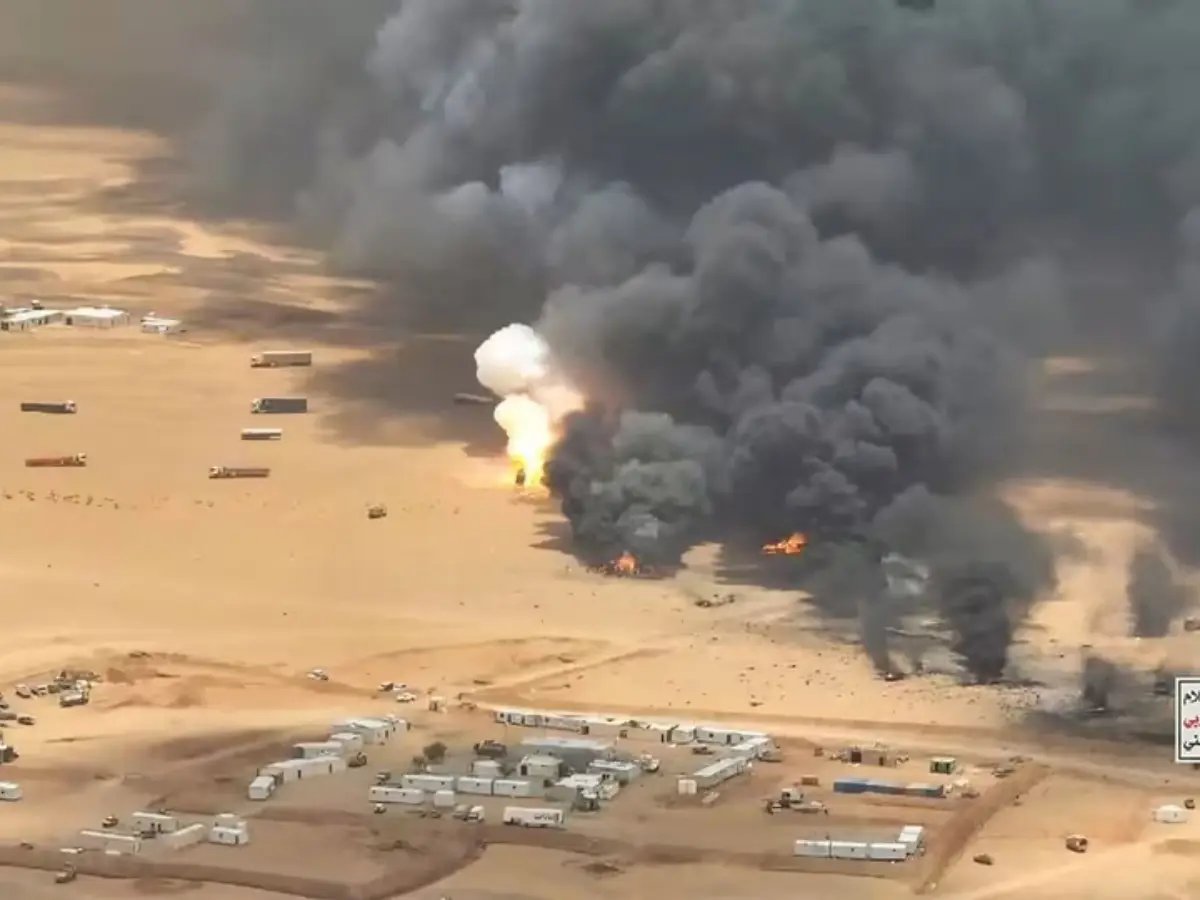
The Houthi militant group, which has been engaged in a protracted conflict with a Saudi-led coalition for nearly a decade, claimed responsibility for a large-scale operation on Tuesday. The coordinated strikes targeted several installations belonging to the Saudi oil giant, Aramco. According to reports from the kingdom, these attacks resulted in significant fires across various utility and oil sites, leaving at least 73 people injured.
India’s Diplomatic Stance
In a formal address to the media, MEA spokesperson Randhir Jaiswal articulated the Indian government’s firm disapproval of the violence. “India condemns attacks on Saudi sovereign territory, particularly the targeting of civilian and economic infrastructure,” Jaiswal stated.
The government’s primary concern centers on the potential for these hostilities to disrupt the Bab-el-Mandeb strait, a vital maritime corridor for global trade. India emphasized that any actions undermining freedom of navigation in these waters are “unacceptable,” signaling that New Delhi is closely monitoring the impact of the conflict on critical supply chains.
A Cycle of Escalation
The recent surge in violence follows a period of heightened regional volatility, linked in part to the broader geopolitical friction between the United States and Iran. The Houthis, who are widely viewed as being backed by Tehran, have increasingly expanded their operational reach, specifically targeting Saudi Arabia, a key U.S. ally in the Middle East.
The cross-border hostility is reciprocal. Just a day prior to the strikes on the Aramco facilities, Houthi officials alleged that the Saudi-led coalition had launched an intensive bombardment of areas under rebel control. Reports indicated that Saudi aircraft and cruise missiles struck several provinces, including al-Jawf, al-Bayda, Marib, and Taiz.
The Humanitarian Toll
The conflict in Yemen, which erupted in 2014 when Houthi forces seized the capital, Sanaa, remains one of the world’s most dire humanitarian crises. The subsequent intervention by a Saudi-led coalition in 2015, aimed at restoring the internationally recognized government, has failed to bring the war to a decisive end.
The situation has been further complicated by shifting alliances. Tensions between Saudi Arabia and the United Arab Emirates (UAE)—formerly partners in the anti-Houthi coalition—have complicated the battlefield dynamics, ultimately leading to the UAE’s withdrawal from the front lines earlier this year.
United Nations estimates suggest that the brutal civil war has claimed at least 150,000 lives, with millions more pushed to the edge of starvation. As the conflict continues to draw in regional powers and threaten international energy security, India’s condemnation highlights the growing alarm within the international community regarding the lack of a diplomatic resolution to the Yemeni crisis.
Disclaimer: This content is auto-generated for informational purposes only.
Source: Read Original News