







The Strategic Repricing of the iPhone Lineup
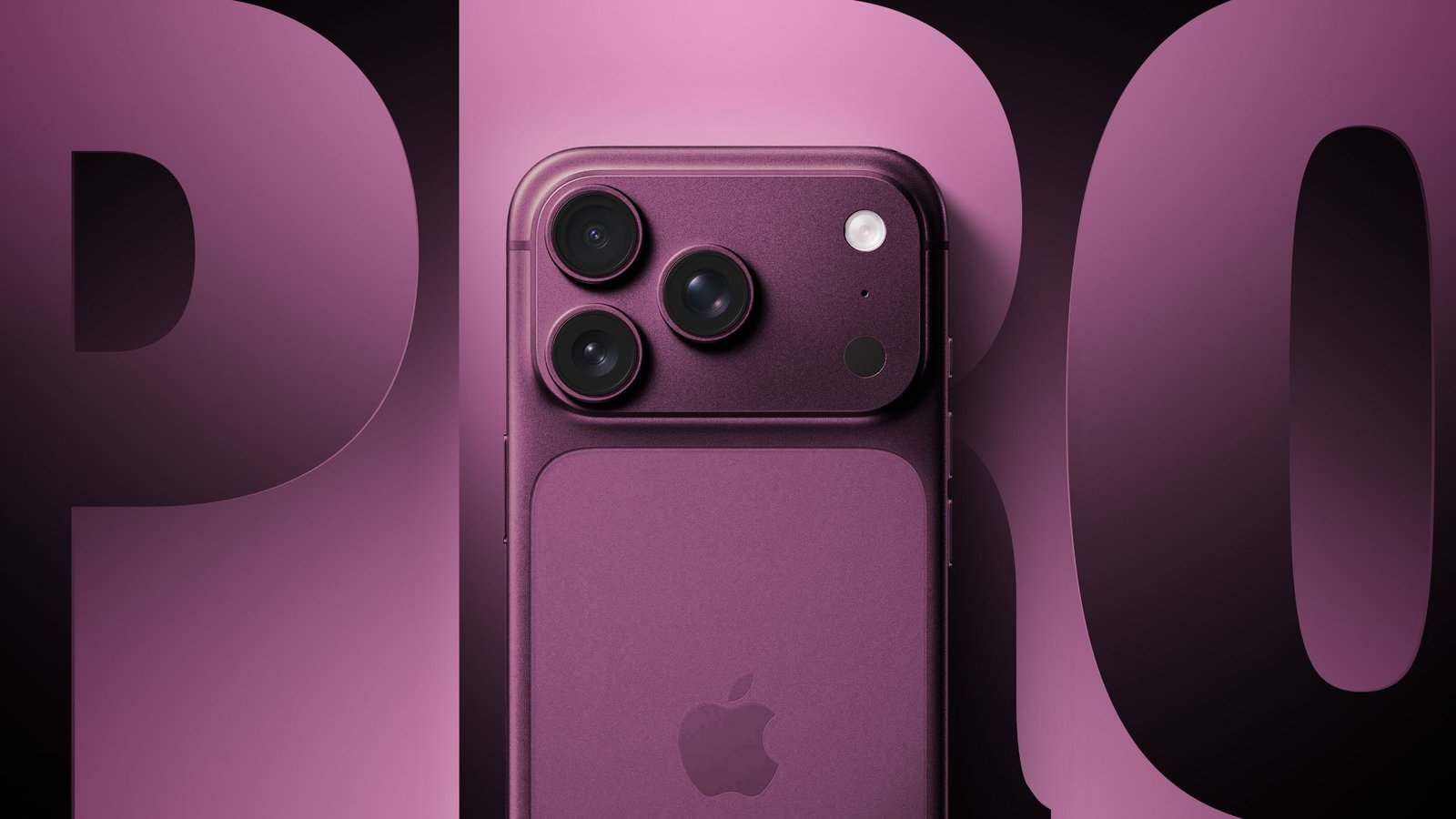
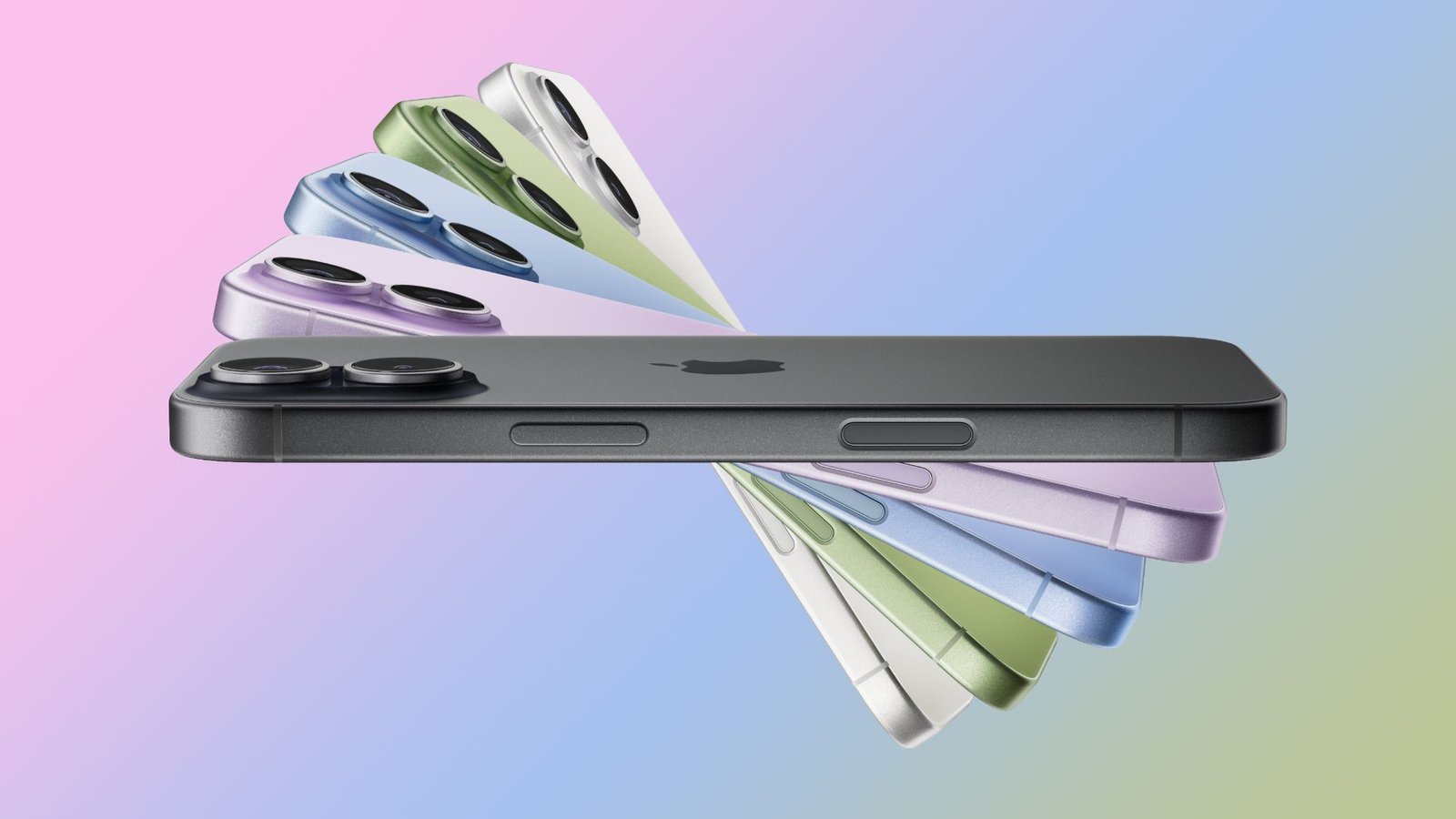
In a significant shift during the September 2026 “Surprise and Shine” event, Apple adjusted its pricing strategy for the existing iPhone portfolio. While the spotlight remained on the debut of the high-end iPhone 18 Pro and iPhone 18 Pro Max, the company simultaneously implemented a uniform $100 price increase across its retained previous-generation models. This adjustment affects the iPhone 16, the iPhone 17e, the standard iPhone 17, and the premium iPhone Air.
This decision marks a notable departure from Apple’s traditional trajectory, where legacy models typically see price reductions following the introduction of a new flagship tier. By increasing the floor for these established devices, Apple has signaled a long-term shift in how it manages inventory costs amidst broader macroeconomic pressures. The iPhone 16 now begins at $799, the iPhone 17e at $699, the iPhone 17 at $899, and the iPhone Air at $1,099. Concurrent with these updates, the company has discontinued the iPhone 17 Pro and 17 Pro Max to streamline its current offerings.
Semiconductor Shortages and Industry Constraints
The primary driver behind this sudden adjustment lies in the volatile global semiconductor market. Apple CEO Tim Cook has characterized the current scarcity of high-performance memory and storage components as a “hundred-year flood,” highlighting an unprecedented disruption in supply chains. As massive investments flow into artificial intelligence infrastructure and the development of large-scale data centers, the demand for high-density DRAM and NAND flash memory has reached record levels.
These hardware components, essential for the advanced computational capabilities of modern smartphones, are currently being diverted toward large-scale enterprise AI projects. Consequently, the surplus that manufacturers once relied upon to moderate costs has evaporated. For a company that relies on high-volume production, these increased component costs are difficult to absorb without sacrificing performance or thinning margins. The decision to raise prices is a tactical response to maintaining the quality specifications consumers expect from the brand despite these logistical hurdles.
The Impact of AI Infrastructure on Mobile Pricing
The integration of artificial intelligence into mobile hardware has necessitated significantly larger memory footprints. As AI models become more capable of processing tasks locally on the device, the requirements for random access memory (RAM) and specialized storage have increased. This evolution has created a direct conflict between consumer electronics manufacturers and the hyperscale cloud providers building the backbone of the AI economy.
Because both sectors rely on similar manufacturing nodes and materials, the competition for output has forced prices upward across the entire spectrum of high-end technology. For Apple, the challenge involves balancing the need to keep iPhones competitive in the global market while navigating an environment where the underlying cost of silicon continues to rise. The “Surprise and Shine” event served as a platform to normalize these costs, reflecting the reality that the cost of building, training, and running artificial intelligence is now a fundamental variable in consumer device pricing.
Evolution of the iPhone Product Hierarchy
With the discontinuation of the iPhone 17 Pro series, Apple has restructured its device hierarchy to emphasize the new Pro models while positioning the older iPhone 17 and iPhone Air as mid-tier value propositions. The absence of a standard “iPhone 18” at this event suggests that the company is segmenting its release calendar. The entry-level and standard models are now expected to see updates in spring 2027, rather than the traditional fall window.
This shift allows Apple to decouple its primary product releases, potentially easing supply chain pressure by staggering the manufacturing demand for its diverse lineup. By extending the lifecycle of the iPhone 17 series through a higher price point, the company is effectively inviting users to invest in the longevity of these models rather than anticipating a faster turnover cycle. The iPhone Air, in particular, remains a focal point for those seeking a specialized form factor, despite the adjusted cost structure.
Analyzing Consumer and Market Consequences
The ripple effect of this pricing strategy remains to be seen in broader market adoption. For the average consumer, the immediate impact is a higher barrier to entry for the latest ecosystem hardware. However, this shift may also reflect an industry-wide transition where smartphones are increasingly viewed as long-term investment platforms that hold value despite inflationary pressure on raw materials.
Furthermore, industry analysts will be monitoring whether this move emboldens other manufacturers to adjust their pricing. As the semiconductor industry continues to grapple with the demands of AI-focused infrastructure, the cost of advanced hardware may remain elevated for the foreseeable future. Apple’s willingness to adjust its pricing strategy indicates a calculated risk, betting that the utility of its hardware—coupled with the integration of AI features—will continue to command high value from its existing user base, regardless of the $100 premium now associated with these devices.
Disclaimer: This content is auto-generated for informational purposes only.
Source: Read Original News