





The Arrival of the iPhone Duo: Redefining the Foldable Paradigm
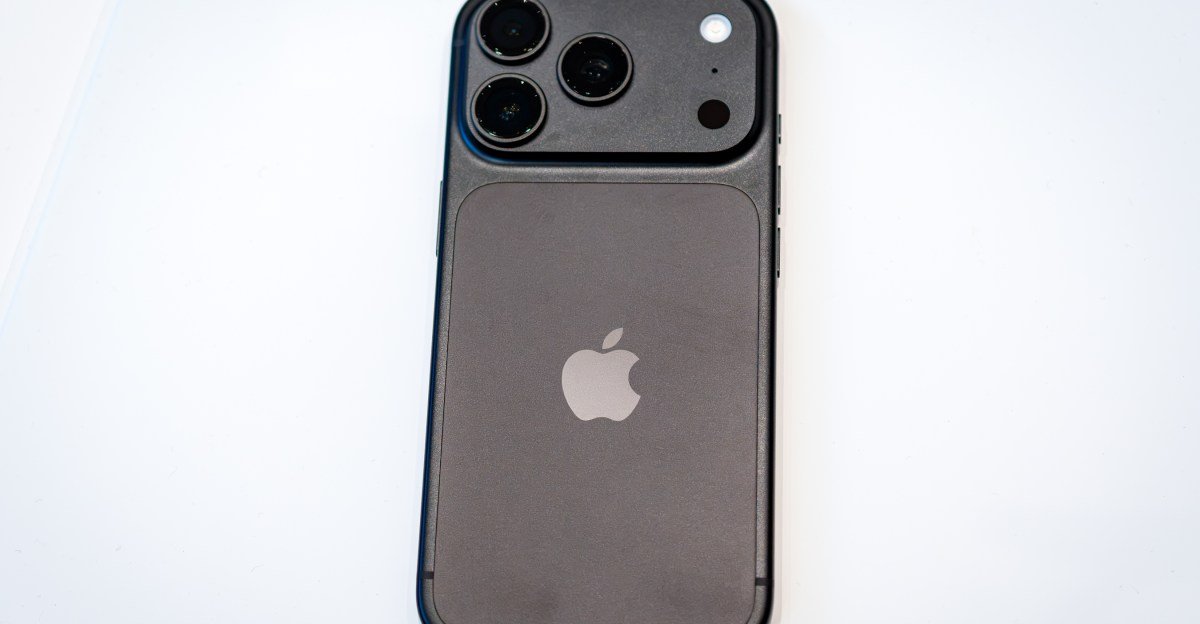
Apple’s recent annual fall event in Cupertino marked a pivotal shift in the company’s product philosophy. While the keynote featured a range of expected iterative updates, the unveiling of the iPhone Duo stood out as the definitive strategic flagship. Industry analysts, including Francisco Jeromino of IDC, have characterized the device not merely as a new form factor, but as a calculated test of Apple’s ability to leverage its tightly integrated ecosystem to dominate a segment that has historically struggled to gain mass-market momentum.
The iPhone Duo introduces a sophisticated hinge mechanism and an expansive, flexible OLED panel that seamlessly integrates with iOS. Unlike earlier iterations of foldable technology from competitors, which often prioritized the novelty of the mechanism, Apple’s implementation focuses on continuity. When closed, the device functions as a standard, high-performance smartphone; when opened, the interface fluidly transitions to an expansive canvas suited for multitasking, professional-grade media editing, and complex data visualization. The internal software optimization ensures that the transition between states is imperceptible, maintaining the functional integrity that users expect from the Apple brand.
A Bifurcated Pricing Strategy
Perhaps the most significant revelation from the event was the shift in Apple’s economic approach. In an industry climate where memory costs and hardware components are experiencing a period of volatility and rising prices, the market anticipated a broad increase in costs across the board. Instead, Apple implemented a two-directional pricing model that seeks to capture both entry-level demand and super-premium market segments simultaneously.
By widening the access to its entry-level products, Apple is aggressively pursuing market share growth. The introduction of the AirPods 5, which brings sophisticated active noise cancellation to a $129 price point—a marked decrease from the $179 cost of the previous generation—signals a clear intent to lower the barrier to entry. This strategy ensures that even as the flagship segment becomes increasingly expensive, the peripheral ecosystem remains accessible, keeping the user base locked into the company’s software services and integrated hardware environment.
The Rise of the Super-Premium Tier
While the lower end of the product range focuses on accessibility, the top end of the catalog is moving into uncharted financial territory. The pricing of the new iPhone 18 Pro at $1,199 and the Pro Max at $1,299 represents a $100 increase over their predecessors. However, the iPhone Duo is the primary focus of this new super-premium tier. With a starting price near $1,999, the device positions itself as a luxury tool for power users.
This pricing strategy creates a clear separation between the standard professional hardware and the foldable innovation. By mirroring the pricing of high-end competitors like the Samsung Galaxy Z Fold series, Apple is signaling that it does not intend to be a budget-conscious participant in the foldable space. Instead, it is betting that the premium hardware, combined with the unparalleled software integration of the iOS ecosystem, will justify the cost for the consumer segment that demands the highest level of functionality and industrial design.
Engineering Excellence and Hardware Integration
Beyond the folding mechanism, the technical specifications of the iPhone Duo highlight the internal advancements Apple has achieved in thermal management and battery efficiency. Folding devices historically face significant challenges regarding heat dissipation and energy density, as the internal volume is limited by the hinge structure. The iPhone Duo addresses these constraints with a distributed battery architecture and an advanced silicon chip specifically optimized for power efficiency.
This hardware foundation is critical for the intended use-cases, which include advanced multitasking such as running multiple professional applications side-by-side without performance degradation. The integration of the display technology, which utilizes a low-temperature polycrystalline oxide backplane, allows for a high refresh rate while maintaining battery longevity. These technical nuances are essential, as they prevent the device from becoming a compromised experience compared to traditional slab-style phones.
Market Impact and Long-term Positioning
The decision to introduce a foldable device at this juncture suggests that Apple perceives the technology as having reached a sufficient level of maturity for mass-market adoption. By waiting for the supply chain to stabilize and for manufacturing techniques to improve, the company has bypassed the early, error-prone phase of foldable hardware development. This patience allows Apple to enter the market with a product that is not just functional, but demonstrably reliable.
The impact of this launch will likely be felt throughout the smartphone industry. Competitors will now face pressure to prove that their foldable offerings can maintain the same level of software stability and ecosystem connectivity that the iPhone Duo demonstrates by default. As Apple continues to pull its entry-level prices downward while pushing its flagship prices toward the $2,000 mark, the company is effectively insulating itself from cyclical downturns. By controlling both the high-volume entry point and the high-margin premium segment, Apple has constructed a commercial framework that is remarkably resilient to the shifting economic landscape of the consumer electronics market.
Disclaimer: This content is auto-generated for informational purposes only.
Source: Read Original News