







The landscape of premium smartphones has reached a new plateau of parity in late 2026. With Apple’s latest hardware unveiling and Google’s established Pixel 11 Pro series, the choice between the two dominant ecosystems now rests on architectural refinements rather than revolutionary leaps. Apple has introduced the iPhone 18 Pro, iPhone 18 Pro Max, and the new iPhone Duo, while Google continues to push its software-centric vision of hardware through the Tensor-powered Pixel 11 Pro and 11 Pro XL.
Advanced Camera Optics and Variable Aperture
One of the most significant shifts in this year’s iPhone 18 Pro series is the introduction of a sophisticated variable aperture main camera. Apple’s 48MP Fusion system allows users to manually or automatically toggle between f/1.48, f/1.8, f/2.8, and f/4.0. This hardware capability allows for greater control over depth of field and light intake, moving away from the purely computational approach to background blur. It effectively brings professional-grade control to mobile photography, allowing the camera to stop down for sharper landscapes or open up for low-light performance.
Google counters this with its 50MP Octa PD main sensor on the Pixel 11 Pro. While it lacks the mechanical variable aperture of the Apple system, it leans heavily into computational photography. The Pixel 11 Pro’s Pro Zoom capabilities, which reach up to 120x, remain a major selling point for users who prioritize long-range reach. The contrast here is clear: Apple is optimizing the physical light-gathering mechanics, while Google focuses on its industry-leading image processing stack, including the new Magic Cue AI-assisted editing features.
Chipset Architecture and Processing Power
The gap in raw computational horsepower remains the most distinct divide between these two manufacturers. The A20 Pro chipset in the iPhone 18 Pro series is built on a refined fabrication process that consistently outpaces the Google Tensor G6 in synthetic benchmarks and sustained thermal efficiency. For users engaged in intensive tasks like high-fidelity video rendering or complex gaming, the A20 Pro provides a performance buffer that the Tensor G6, which is optimized for machine learning and AI, does not prioritize to the same degree.
Google, however, continues to integrate its Titan M3 security chip with the Tensor G6 to support local processing of Gemini Intelligence. This architecture is designed to handle AI tasks—such as live translation and real-time environment analysis—directly on the device, ensuring user privacy and speed. While Apple Intelligence and the revamped Siri AI handle similar tasks, the integration between the Tensor chip and Android 17 is built specifically for a cloud-hybrid model that Google believes is more responsive for day-to-day assistance.
Display Technology and Structural Design
In terms of build quality and display metrics, both companies have hit a point of diminishing returns. The Pixel 11 Pro’s Super Actua display hits an impressive 3600 nits of peak brightness, slightly edging out the 3000-nit capability of the iPhone 18 Pro’s Super Retina XDA panel. Both screens offer a variable 1-120Hz refresh rate, ensuring that high-refresh animations are balanced with battery-saving idle states.
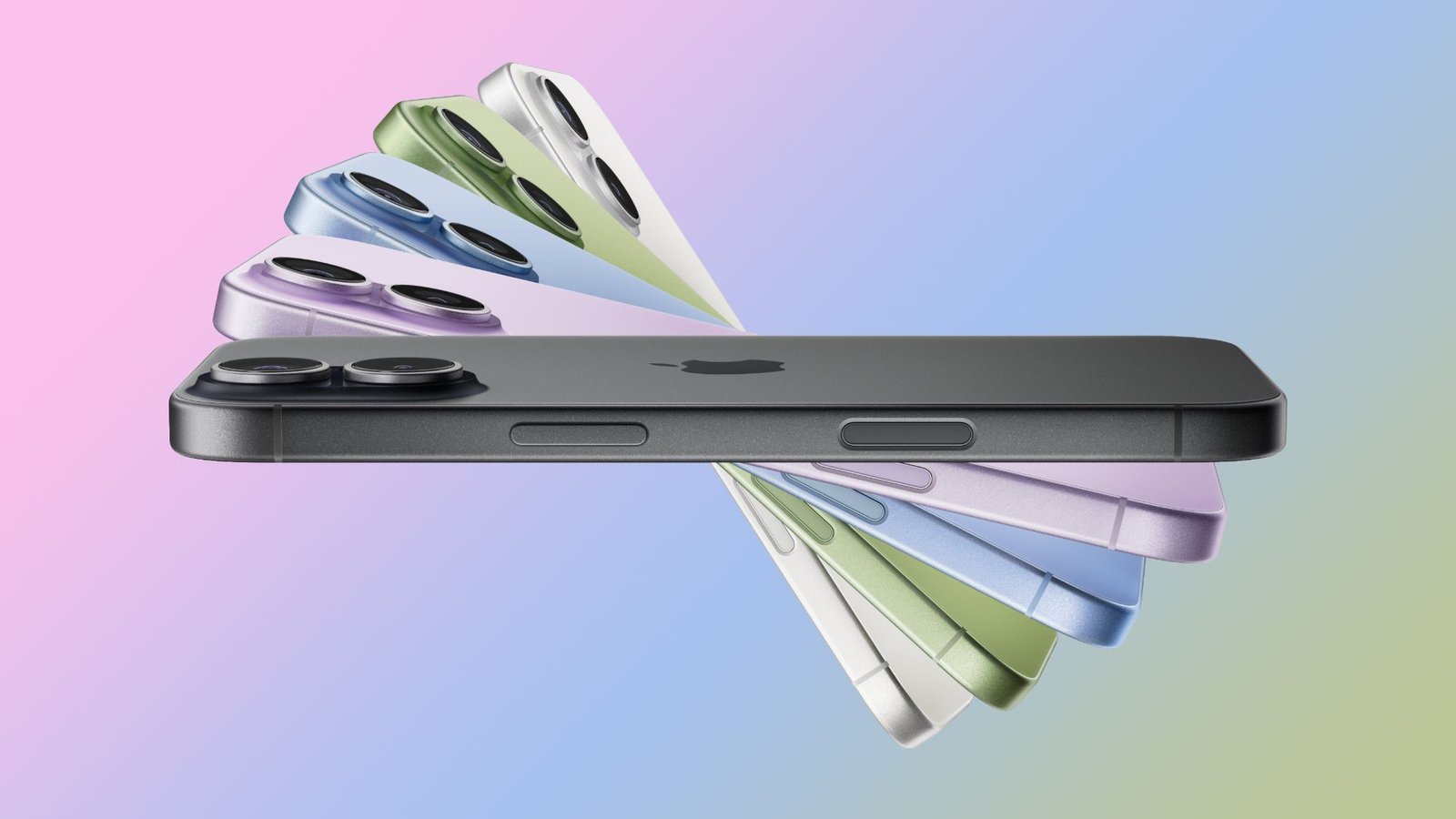
Physical dimensions show that the iPhone 18 Pro Max is both heavier and thicker than the Pixel 11 Pro XL. While this weight might be attributed to the build materials, it also suggests differences in internal thermal management and battery density. Apple’s use of Ceramic Shield 2 provides a high degree of fracture resistance, while the Pixel utilizes Gorilla Glass Victus 2, both of which are backed by IP68 water and dust resistance. The selection of materials, from matte finishes on the Pixel to the polished textures of the iPhone, emphasizes the differing design philosophies between the two companies.
Ecosystem Integration and Battery Longevity
Battery performance has reached a standardized baseline, with both companies claiming over 24 to 30 hours of typical usage. The major difference lies in wired charging standards. Apple has moved toward a 60W wired charging capability, significantly cutting down the time required to reach a full charge compared to the Pixel 11 Pro’s 30W to 45W range. Both support high-speed wireless charging through their respective Qi-certified standards, ensuring that neither device is left wanting for power throughout a busy day.
The software ecosystems remain the ultimate deciding factor for most users. Apple’s iOS 27 continues its streak of tight integration across watch, tablet, and desktop devices, creating a seamless handover for services like Apple Intelligence. Conversely, Android 17 on the Pixel 11 Pro offers a more flexible environment, characterized by seven years of guaranteed OS updates and frequent “Pixel Drops” that introduce new feature sets long after the initial purchase date. Whether a user favors the locked-in, polished reliability of Apple’s walled garden or the iterative, AI-forward agility of Google’s Android 17 will dictate which of these high-end devices serves them better in the long run.
Disclaimer: This content is auto-generated for informational purposes only.
Source: Read Original News