









The Arrival of the iPhone 18 and iPhone Duo
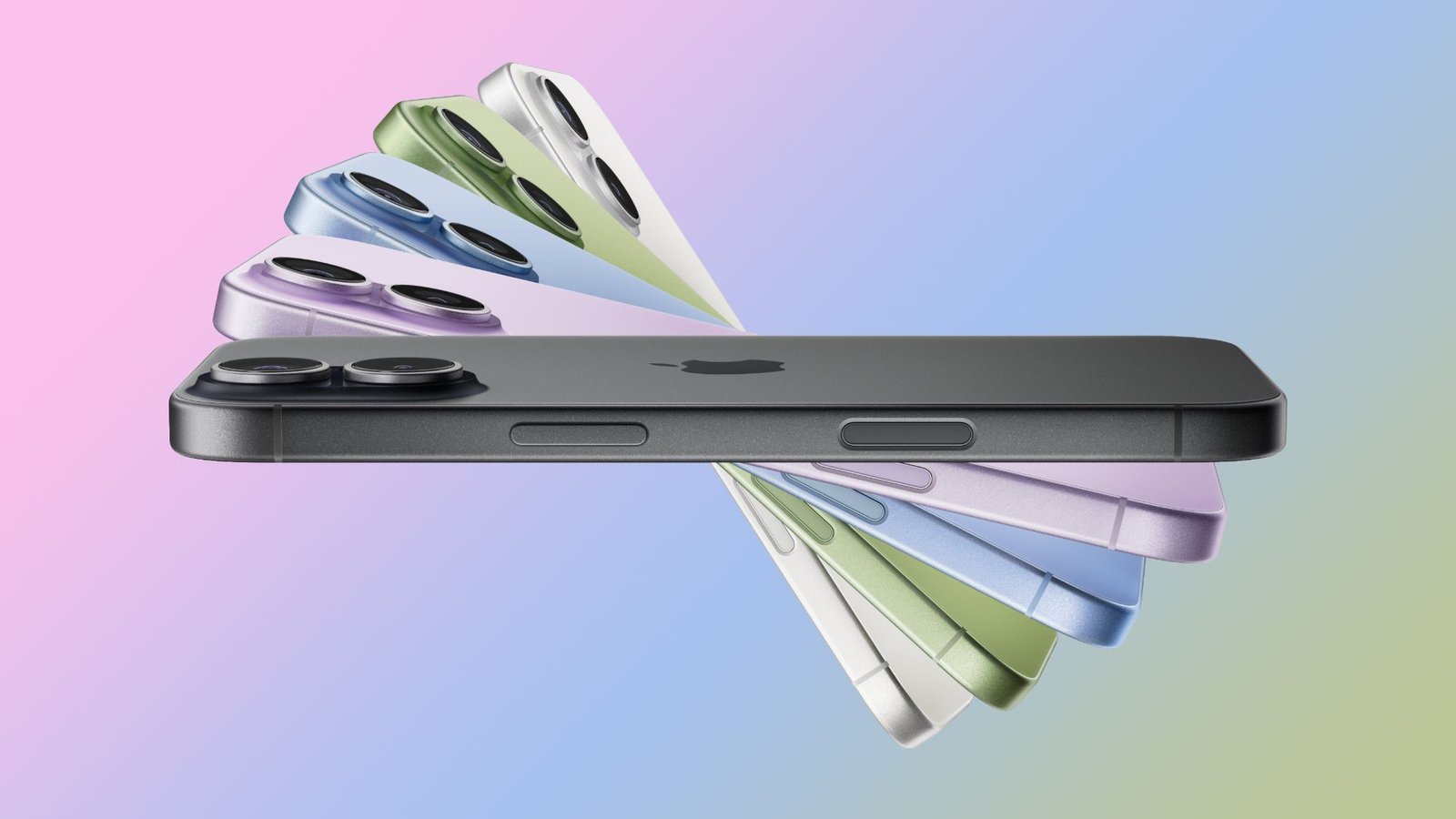
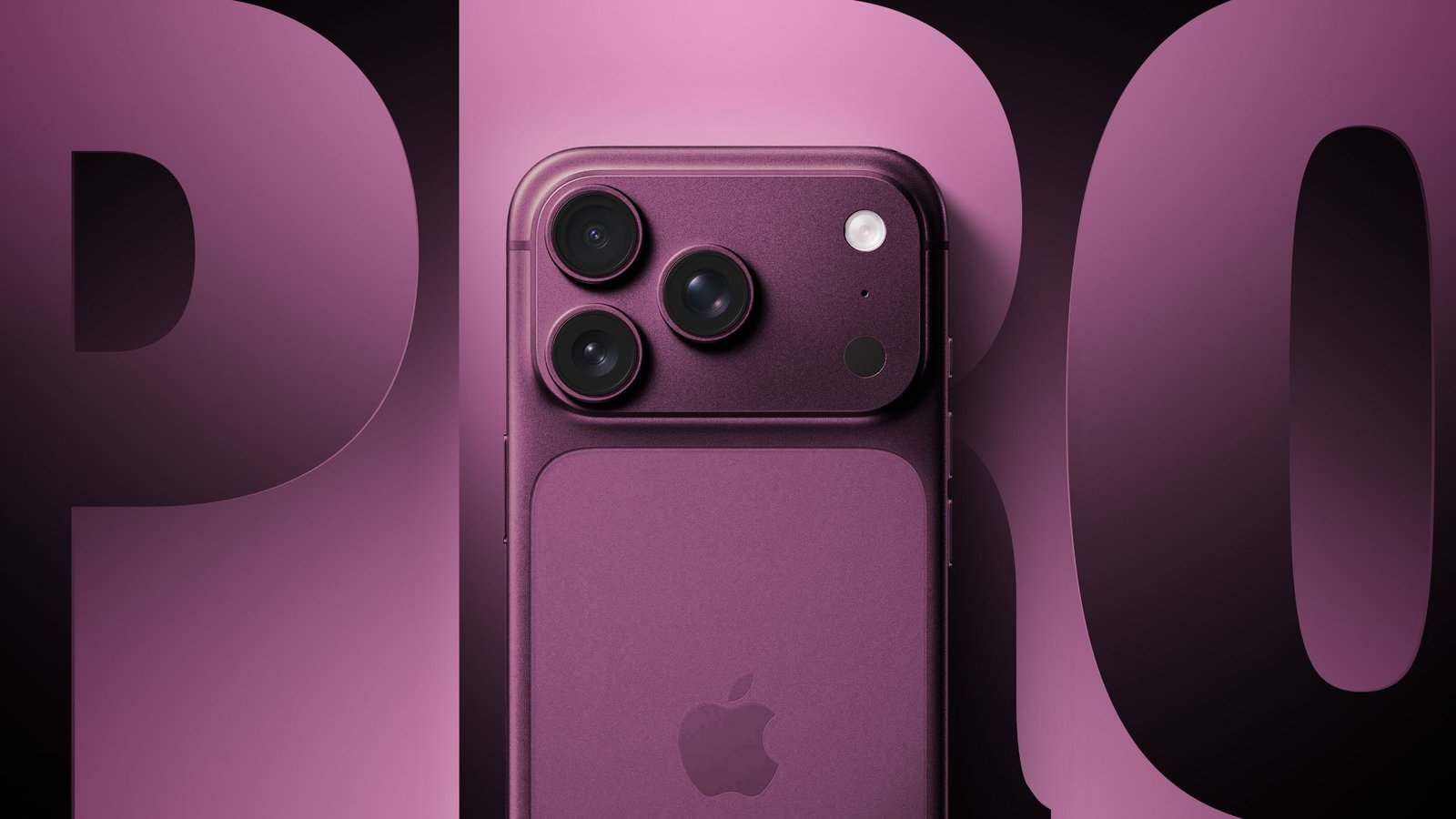
Apple recently hosted its annual fall hardware event, marking a significant shift in its product lineup. The company introduced the flagship iPhone 18, which features a suite of advanced hardware updates, most notably in its imaging capabilities. However, the most anticipated hardware announcement was the debut of the iPhone Duo, Apple’s first entry into the foldable smartphone market. The iPhone Duo utilizes a sophisticated hinge mechanism and a proprietary flexible display technology designed to maintain structural integrity over thousands of folds.
These devices represent the pinnacle of current mobile engineering, emphasizing higher processing power, integrated artificial intelligence, and refined industrial design. While the iPhone 18 focuses on iterating upon the established form factor with improvements to sensor sensitivity and computational photography, the iPhone Duo creates an entirely new category for the brand, targeting power users who require greater screen real estate for productivity and media consumption.
Strategic Price Adjustments Across the Ecosystem
Accompanying the excitement of the new product launch, Apple has implemented a notable change to its retail strategy: a broad increase in pricing for its existing smartphone portfolio. In a departure from the historical trend where older models see price reductions following a new release, the company has raised prices by $100 across the board for current models.
As of today, the pricing structure for legacy hardware has been revised upward. The iPhone 16 now begins at $799, the iPhone 17e is priced at $699, the iPhone 17 sits at $899, and the premium iPhone Air is set at $1,099. This adjustment is not limited to the United States. International markets, particularly India, have seen even more substantial increases, with some models rising by over 20%. Simultaneously, Apple has streamlined its catalog by discontinuing the iPhone 17 Pro and iPhone 17 Pro Max, effectively narrowing the selection to favor the newly launched hardware and a specific set of legacy models.
Supply Chain Pressures and Component Costs
The motivation behind this pricing shift is rooted in the current state of the global electronics supply chain. For the past several quarters, the technology sector has faced severe constraints regarding the availability of high-density memory and high-capacity storage chips. These components are essential for the latest generation of mobile devices and AI-integrated systems.
The surging demand for these chips is largely driven by massive investments in data centers and infrastructure by major cloud providers and AI research organizations. As these entities consume a disproportionate share of available global manufacturing capacity, the cost for OEMs like Apple to procure these components has climbed significantly. During discussions earlier this year, leadership at Apple indicated that the company could no longer absorb these mounting component expenses without altering its consumer-facing pricing. The recent hikes for the Mac and iPad lines, implemented in June, served as a precursor to these broader changes within the iPhone division.
Market Positioning and Competitive Landscapes
Beyond the immediate constraints of the supply chain, the price increases reflect a broader shift in the competitive landscape of the smartphone industry. As competitors like Samsung and Google also face inflationary pressures on hardware components, market-wide price growth has become the standard. By aligning its pricing strategy with these industry shifts, Apple maintains its positioning as a premium brand while ensuring that its profit margins remain resilient despite the higher cost of building sophisticated hardware.
Furthermore, the ubiquity of financial services integrated directly into the Apple platform suggests a long-term plan to mitigate consumer sticker shock. Through its proprietary upgrade and monthly installment programs, Apple allows users to amortize the total cost of these devices over longer periods. This financial structure makes a $100 price increase appear as a nominal change to the monthly payment, allowing the company to sustain its revenue per unit without causing immediate friction for the average consumer.
Impact on Consumer Behavior
The decision to raise prices during a product launch event signals a pivotal shift in how the company manages the lifecycle of its hardware. Consumers who previously relied on the predictable depreciation of older iPhones to secure more affordable hardware will now face a higher barrier to entry. This change may drive users toward the secondary market or encourage them to maintain their existing devices for longer periods before upgrading.
However, the introduction of the iPhone Duo suggests that Apple is betting on the appeal of new form factors to justify these higher price points. By focusing on innovation in hardware design, the company aims to retain its customer base even as the baseline for entry-level devices climbs. Whether this strategy will influence long-term retention remains to be seen, but it is clear that the industry is entering a period where hardware performance comes at an increasingly higher financial cost to the consumer. For the present, the market is adjusting to a new standard of pricing that reflects the complexity and demand of modern electronic component manufacturing.
Disclaimer: This content is auto-generated for informational purposes only.
Source: Read Original News