






TEHRAN – Tensions in the Persian Gulf have escalated sharply as Iranian state media and local reports indicate that “enemy” projectiles struck areas near Sirik, a strategically vital coastal region in southern Iran.
The reports, which began circulating on social media platforms early Thursday, describe explosions heard in the vicinity of the Sirik district, which lies along the Strait of Hormuz—the world’s most critical maritime chokepoint for oil shipments. While details regarding the origin of the projectiles remain unconfirmed and local authorities are currently assessing the impact, the incident has triggered a state of high alert across the region.
The strike comes at a delicate moment for Iranian foreign policy. In an immediate response to the incident, officials in Tehran issued a public statement emphasizing the nation’s readiness for dialogue with regional neighbors. Tehran stated its ongoing commitment to “foster mutual trust, achieve sustainable security, and promote economic progress.”
This dual approach—defending against external threats while simultaneously signaling a willingness to de-escalate through diplomatic channels—suggests that Iranian leadership is seeking to contain the fallout from the attack before it spirals into a wider regional confrontation. Analysts suggest that the phrasing of the government’s statement is a calculated effort to urge neighboring nations to avoid further provocation while distancing themselves from the actions of “hostile actors” that Tehran blames for the strikes.
Sirik, located in the Hormozgan province, serves as a significant military and logistical node. Any disruption to the security of this region carries severe implications for global energy markets, as any perceived instability in the Strait of Hormuz traditionally leads to immediate spikes in oil prices.
International observers are now closely monitoring the response from neighboring Arab states and global powers. While no group has claimed responsibility for the projectiles, the atmosphere remains tense. Previous maritime and aerial incidents in this corridor have often been linked to a “shadow war” of covert operations and retaliatory strikes between regional adversaries, leaving analysts concerned that the threshold for a major escalation may be dropping.
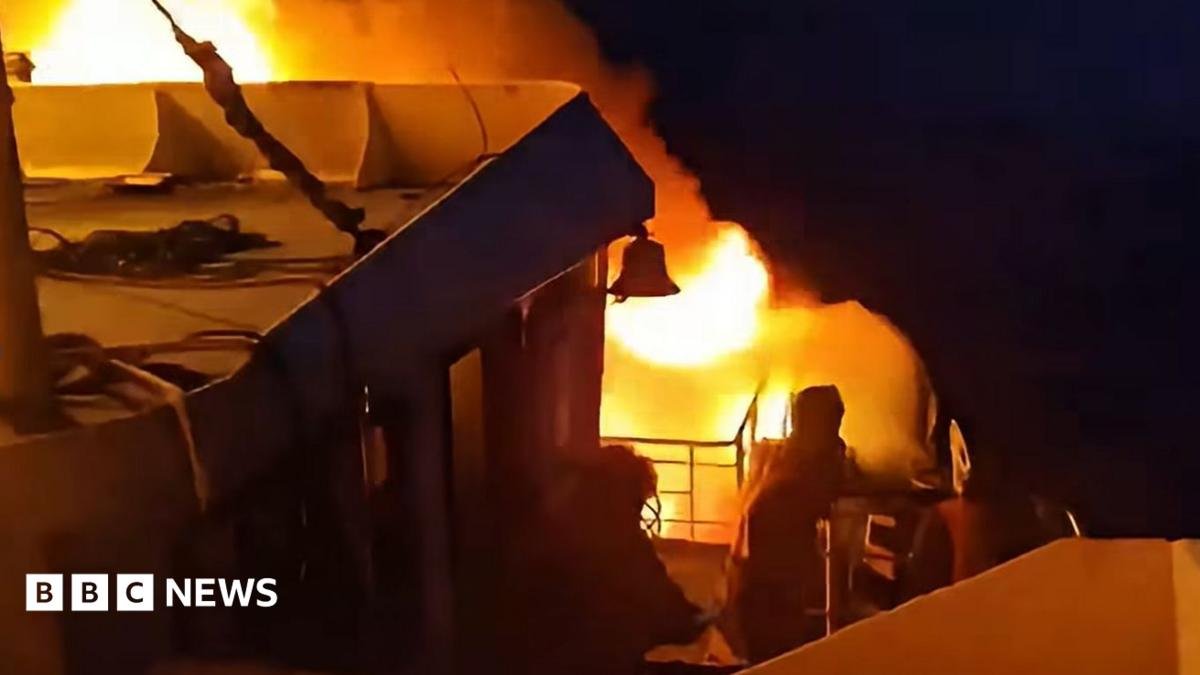
The Iranian government has yet to identify the specific source of the fire, but military officials have promised a swift investigation, stating that security forces are already deployed to secure the affected perimeter. For now, the focus in Tehran remains on balancing the imperative of national defense with a broader appeal for regional stability.
As the situation unfolds, updates will be provided as more information becomes available regarding the scope of the damage and potential casualties. International markets and regional capitals are bracing for further developments as the true nature and origin of the attack come into sharper focus.
Disclaimer: This content is auto-generated for informational purposes only.
Source: Read Original News