





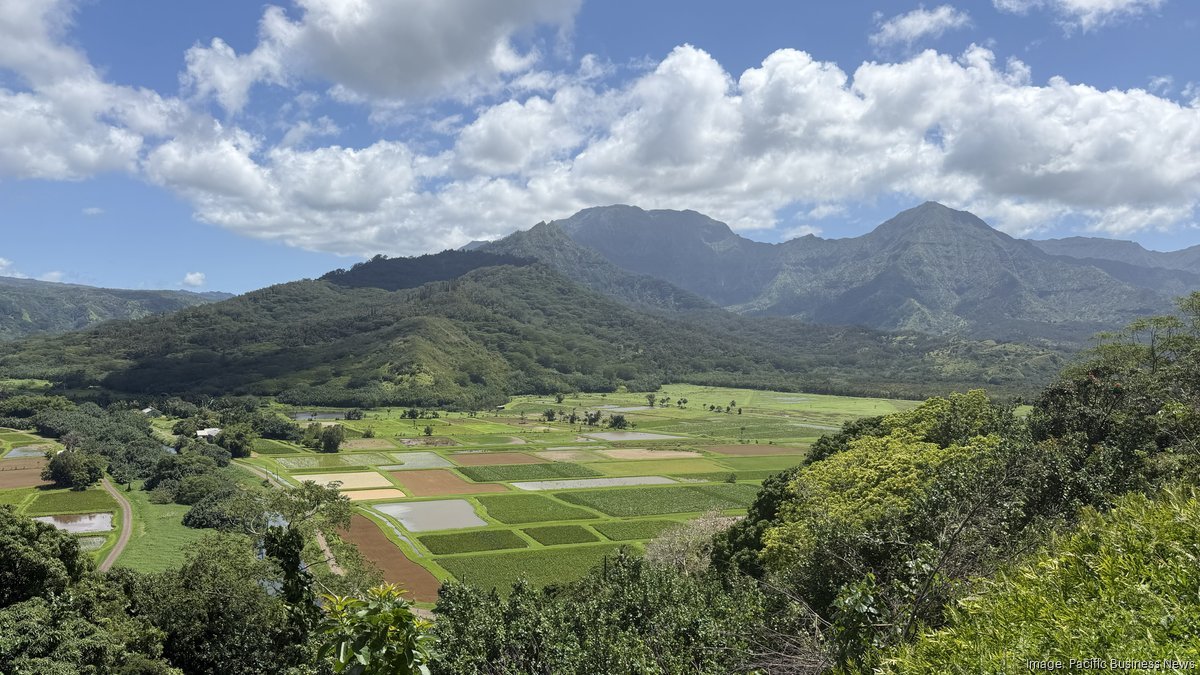
Hawaiian Electric has mobilized a significant contingent of personnel and specialized utility equipment to the island of Kauai, marking a critical phase in the recovery efforts following the devastation wrought by Hurricane Lowell. As the archipelago grapples with widespread power outages and infrastructure damage, the utility provider’s cross-island support underscores the growing necessity for regional collaboration bolstered by modern disaster-response technologies.
Leveraging AI and Data Analytics for Rapid Restoration
In the wake of Hurricane Lowell, Hawaiian Electric is leaning heavily on advanced software solutions to expedite the restoration of essential services. By integrating artificial intelligence into their grid management systems, utility engineers are now able to process satellite imagery and drone-captured data in near real-time. This automated analysis allows for the rapid identification of downed power lines and damaged transformers, which are often obscured by dense tropical foliage or difficult terrain.
The reliance on Google Cloud’s data analytics infrastructure has become a cornerstone of this recovery mission. By utilizing cloud-native tools, the utility company can aggregate reports from field teams, historical grid data, and meteorological updates into a unified dashboard. This centralized view enables decision-makers to prioritize restoration efforts based on real-time impact assessments, ensuring that critical infrastructure—such as hospitals and emergency shelters—is brought back online with maximum efficiency. These digital updates are not just internal; they are increasingly integrated into public-facing tools that help residents stay informed about restoration timelines through live, map-based interfaces.
The Role of Geospatial Technology in Disaster Recovery
The deployment to Kauai highlights how modern geospatial technology has transformed the traditional utility “boots-on-the-ground” approach. Using high-resolution mapping products, field crews can navigate debris-strewn roads that may have been impassable only hours prior. By feeding location data back into shared cloud platforms, the teams on the ground maintain constant communication with the central command center, creating a dynamic feedback loop that minimizes wasted effort.
This digital transformation extends to the hardware side as well. The equipment transported to Kauai includes modular grid components that can be installed using automated precision tools, a process overseen by technicians using augmented reality (AR) headsets. These headsets provide visual overlays of underground utility paths, preventing accidental damage to fiber-optic cables or existing infrastructure during the frantic pace of the recovery work.
Connectivity and Resilience in a Tech-Driven Future
As Hurricane Lowell’s impacts subside, the discourse within the tech industry remains focused on the resilience of Hawaii’s power grid. The collaboration between utility personnel and tech service providers demonstrates a shift toward “smart” grids that can self-heal or isolate faults during extreme weather events. Future-proofing the islands involves not only physical reinforcement of power poles and transformers but also a robust investment in software-defined networking.
For Google and other tech giants involved in the Pacific theater, these disaster recovery events serve as high-stakes stress tests for their platforms. The ability of Google Maps to update road closures, and the utility of Google Workspace for inter-agency coordination during a crisis, have become vital assets in disaster management. As the recovery in Kauai progresses, the lessons learned from integrating AI-driven analysis with traditional physical labor will likely inform the next generation of infrastructure resilience plans across the globe. For now, the focus remains on the hard work of restoring lights to the community, powered by the synthesis of human expertise and advanced technological support.
Disclaimer: This content is auto-generated for informational purposes only.
Source: Read Original News