








Wildlife Trafficking Probe Launched After Five Orangutans Found in Odisha Forest
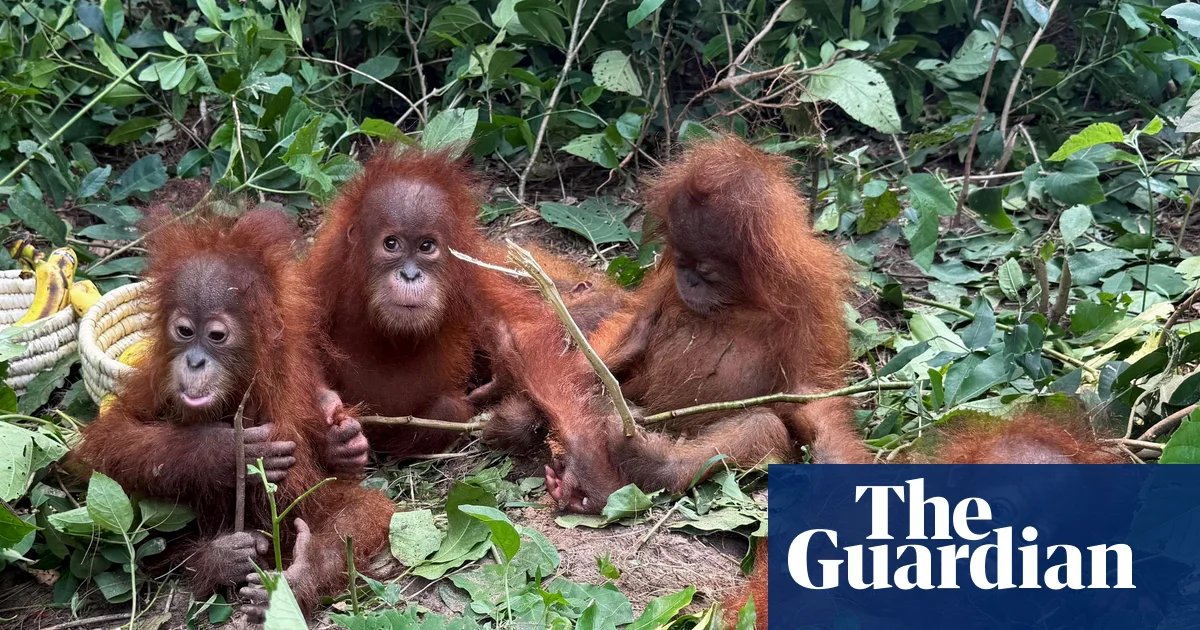
BALASORE – In a highly unusual and deeply concerning wildlife discovery, forest department officials in Odisha’s Balasore district have rescued five baby orangutans from a local forest area. The presence of these rare, non-native primates—which are naturally found only on the islands of Borneo and Sumatra—has triggered a massive investigation into a potential international wildlife smuggling syndicate operating within India.
A Geographical Mystery
The rescue, which occurred during a routine patrol in the Jaleswar range, has left authorities baffled. The orangutans, easily identifiable by their signature shaggy red fur, were discovered thousands of kilometres from their native southeast Asian habitats.
Ram Singh Khuntia, the Minister for Environment in Odisha, confirmed that the government has launched a high-priority probe to determine how the animals were transported across international borders and eventually abandoned or left in the Odisha wilderness. “We suspect that an international racket might be involved in this,” Khuntia stated, highlighting the complexity of moving endangered species across such vast distances.
Protecting Endangered Species
Orangutans are strictly protected under CITES (the Convention on International Trade in Endangered Species of Wild Fauna and Flora), which explicitly forbids the commercial trade of these animals. Given their precarious status, the recovery of five infants at once is being treated as a major environmental crime.
Upon their discovery, the five infants were immediately secured by forest officials. Veterinary experts believe the animals had been in the Jaleswar forest for only a few days prior to being found. They have since been moved to an undisclosed zoological park in Odisha, where they are undergoing a mandatory quarantine period to assess their health and psychological well-being.
The Global Struggle for Survival
The incident highlights the grim reality faced by orangutans worldwide. According to the World Wildlife Fund, the global population of these great apes has plummeted from approximately 230,000 a century ago to just 104,000 today. The pressure on the species is immense, stemming from habitat destruction for palm oil plantations and the illegal pet trade.
The situation is particularly dire for the Tapanuli orangutan, a third and highly distinct species. With fewer than 800 individuals left, the species is classified as critically endangered. Their survival is further threatened by the climate crisis; recent reports indicate that at least 33 to 54 individuals were lost to severe flooding and landslides in North Sumatra last year.
Conservationists warn that with a population loss rate of even 1% annually, the Tapanuli species faces the very real threat of extinction. Their habitat in the West Block of the Batang Toru remains under constant siege from industrial activities, including mining and hydropower projects.
As the investigation in Balasore continues, wildlife advocates are calling for increased surveillance at India’s borders and stricter enforcement against the illicit trade that has brought these fragile creatures thousands of miles from home. For now, the focus remains on the rehabilitation of the five survivors, who represent a small but vital hope for their kin.
Disclaimer: This content is auto-generated for informational purposes only.
Source: Read Original News