








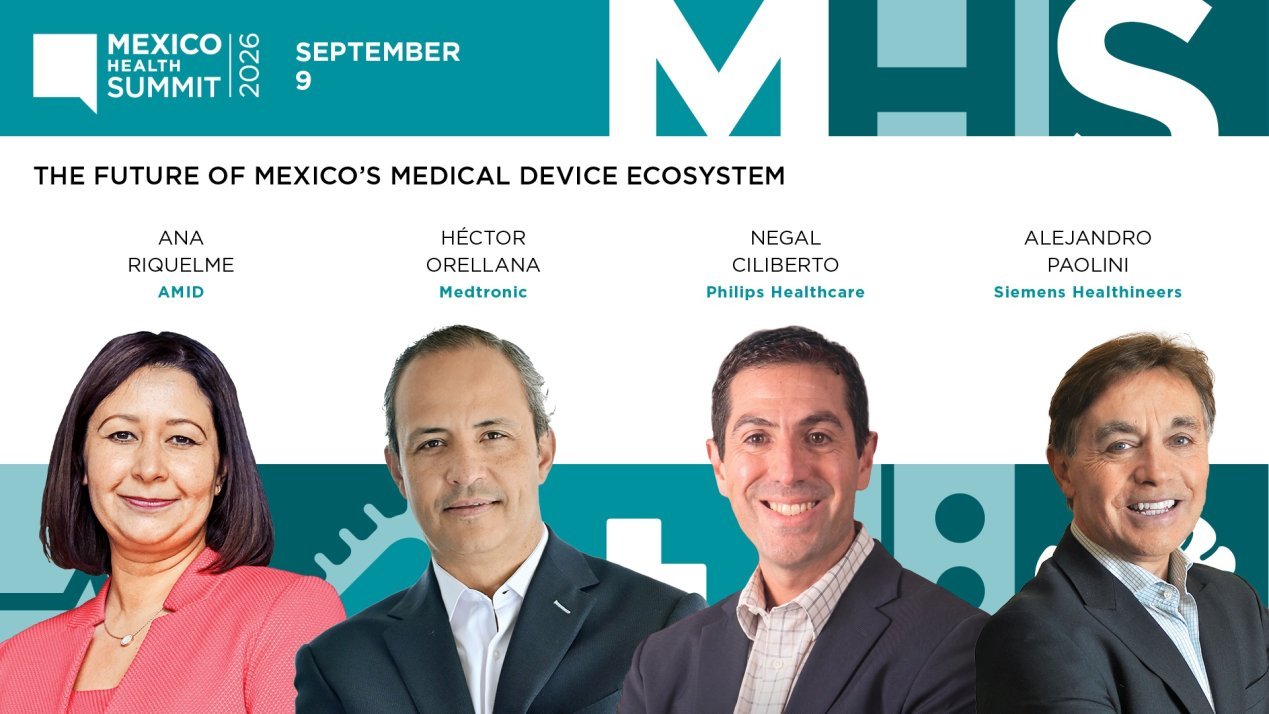
Mexico stands at a critical juncture, aiming to pivot its massive industrial manufacturing base into a powerhouse for domestic healthcare innovation. While the nation currently leads Latin America as a global medical device exporter, industry experts at the Mexico Health Summit 2026 emphasized that the country must now prioritize high-value technological development to address significant domestic care deficits.
## From Assembly Lines to Innovation Hubs
For years, Mexico has thrived as a global hub for medical device production, with states like Baja California and Chihuahua hosting deep-rooted industrial clusters. In 2025 alone, the nation exported nearly $30 billion in medical and optical equipment to the United States. However, leaders in the sector argue that this manufacturing footprint is merely the foundation.
“Mexico is the fifth-largest medical device exporter globally, but the main challenge is taking the next step to become a hub for technological development,” says Alejandro Paolini, CEO of Siemens Healthineers. According to Paolini, the industry must transition from labor-intensive assembly to sophisticated high-value sectors. This evolution involves integrating advanced technologies such as theranostics, photon-counting computed tomography, and precision radiotherapy. By anchoring these high-tech segments locally, Mexico can shift from being a low-cost production platform to a center of innovation.
## Bridging the Care Gap with Artificial Intelligence
The push for modernization is fueled by an urgent need to address systemic healthcare shortages. KPMG data reveals that Mexico currently operates with only a fraction of the diagnostic imaging equipment required for its population, while staffing levels for doctors and hospital beds significantly lag behind OECD averages.
Industry leaders suggest that the key to overcoming these resource constraints lies in the deployment of intelligent software and AI. By integrating hardware with AI-driven analytics, healthcare providers can streamline hospital workflows and reduce the administrative burden on clinical staff. “Combining hardware with intelligent software and AI allows health systems to maximize direct patient impact,” notes Negal Ciliberto, Country Leader and Health Systems Finance at Philips Mexico.
These digital tools, alongside remote monitoring technologies and robotics, are essential to managing chronic conditions like diabetes and cardiovascular disease. By automating routine processes and improving diagnostic accuracy, AI enables overburdened medical professionals to focus their efforts on direct, high-value patient care, ultimately narrowing the gap in national healthcare accessibility.
## Regulatory Reform and Ecosystem Synergy
Technological adoption, however, is frequently stifled by bureaucratic hurdles. On average, it currently takes over five years for innovative medical technologies to clear regulatory processes and reach the public health system. Experts argue that modernizing these procurement frameworks is as important as the tech itself.
To accelerate progress, regulatory agencies like COFEPRIS have begun implementing reliance pathways that accept certifications from international bodies, helping to avoid redundant technical reviews. Yet, deeper collaboration is required. Ana Riquelme, Executive Director of AMID, suggests that long-term growth depends on a structured ecosystem where device manufacturers, public hospitals, academic institutions, and government policymakers work in tandem.
By aligning government health goals with local university talent and industrial capacity, Mexico has the opportunity to create a self-sustaining innovation loop. The ultimate goal is to ensure that the nation’s established manufacturing dominance does not just serve foreign markets, but functions as a critical engine for elevating the quality of care for the Mexican population. Through the strategic implementation of AI, robotics, and updated regulatory science, Mexico is working to redefine its role in the global health landscape.
Disclaimer: This content is auto-generated for informational purposes only.
Source: Read Original News