




PYONGYANG — North Korean leader Kim Jong Un has used the country’s 78th founding anniversary to publicly acknowledge and praise troops serving in “overseas military operations,” marking a significant and unprecedented shift in Pyongyang’s official narrative regarding its deepening military alliance with Russia.
Speaking before a packed assembly hall in Pyongyang on Wednesday, Sept. 9, Kim addressed a gathering of top officials and military leadership to commemorate the anniversary of the founding of the Democratic People’s Republic of Korea (DPRK). Amidst the patriotic fervor, Kim offered “special gratitude and respect” to commanders and soldiers currently deployed abroad.
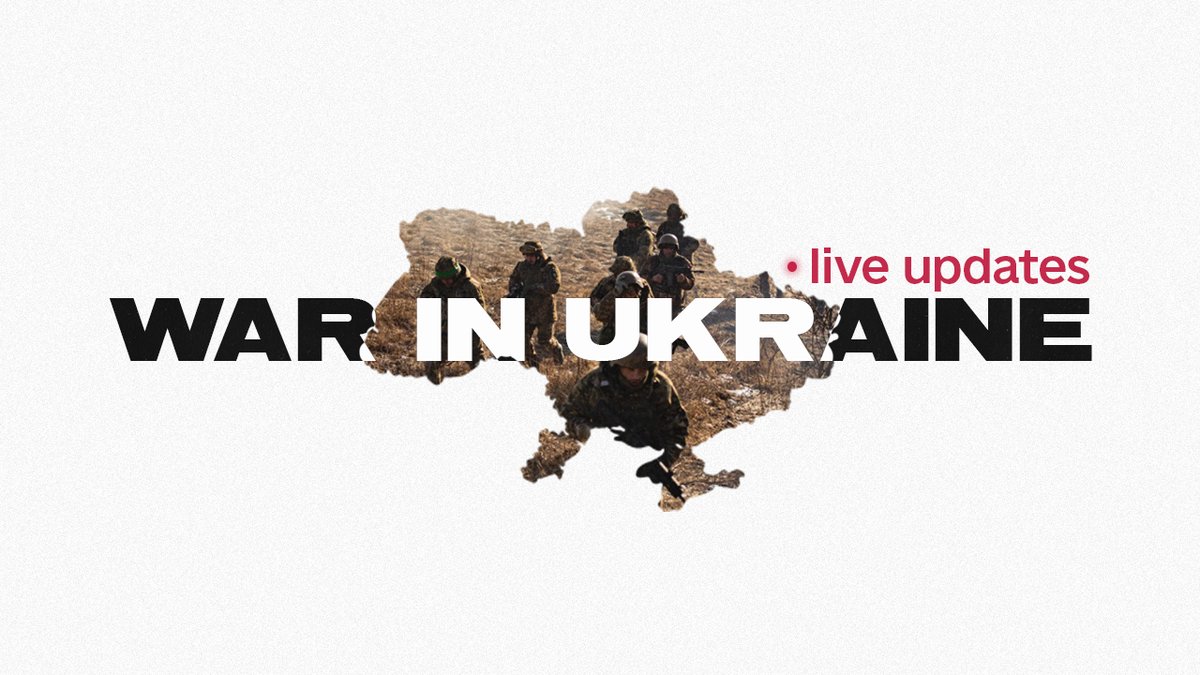
While the North Korean state media, the Korean Central News Agency (KCNA), did not explicitly name the host country in its report, the statement serves as the most definitive admission to date regarding the deployment of North Korean personnel to support Russia’s war effort in Ukraine. Intelligence reports from Western allies and South Korea estimate that between 14,000 and 15,000 North Korean soldiers have been funneled into Russian territory to bolster Moscow’s frontline capabilities.
By integrating the existence of these “overseas military operations” into a celebratory national speech, Kim has effectively normalized a deployment that was, until recently, shrouded in tactical ambiguity. Analysts suggest this rhetorical pivot signals a move toward total alignment with the Kremlin, as Pyongyang seeks to frame the involvement as a legitimate international partnership rather than a clandestine operation.
“This is a calculated effort to bring the war home to the North Korean public in a way that emphasizes strength and global relevance,” said a regional security analyst. “By praising these troops during a foundational anniversary, Kim is telling his people that North Korea is a key player on the global stage, fighting alongside a major nuclear power against Western influence.”
The deployment, which has seen North Korean troops stationed in conflict zones across the Russia-Ukraine border, has drawn sharp condemnation from the international community. NATO and the European Union have characterized the move as a dangerous escalation that threatens both European security and the stability of the Korean Peninsula. Reports from the frontline have already suggested that the North Korean contingent is facing significant logistical and cultural hurdles, while initial combat engagements have reportedly resulted in the first North Korean casualties.
For the Kim regime, however, the gamble is rooted in long-term strategic survival. In exchange for the infantry, Pyongyang is widely believed to be receiving critical Russian technology—ranging from satellite surveillance capabilities to advanced missile propulsion components—that could modernize its own weapons arsenal.
As the 78th anniversary celebrations concluded with elaborate pageantry, the message from the podium was clear: North Korea’s military is no longer contained within its own borders, and its direct participation in the largest land war in Europe since World War II is now a cornerstone of the state’s foreign policy.
Disclaimer: This content is auto-generated for informational purposes only.
Source: Read Original News