








India Advocates for Digital Currency Integration in BRICS Trade, Sidesteps Anti-Dollar Stance
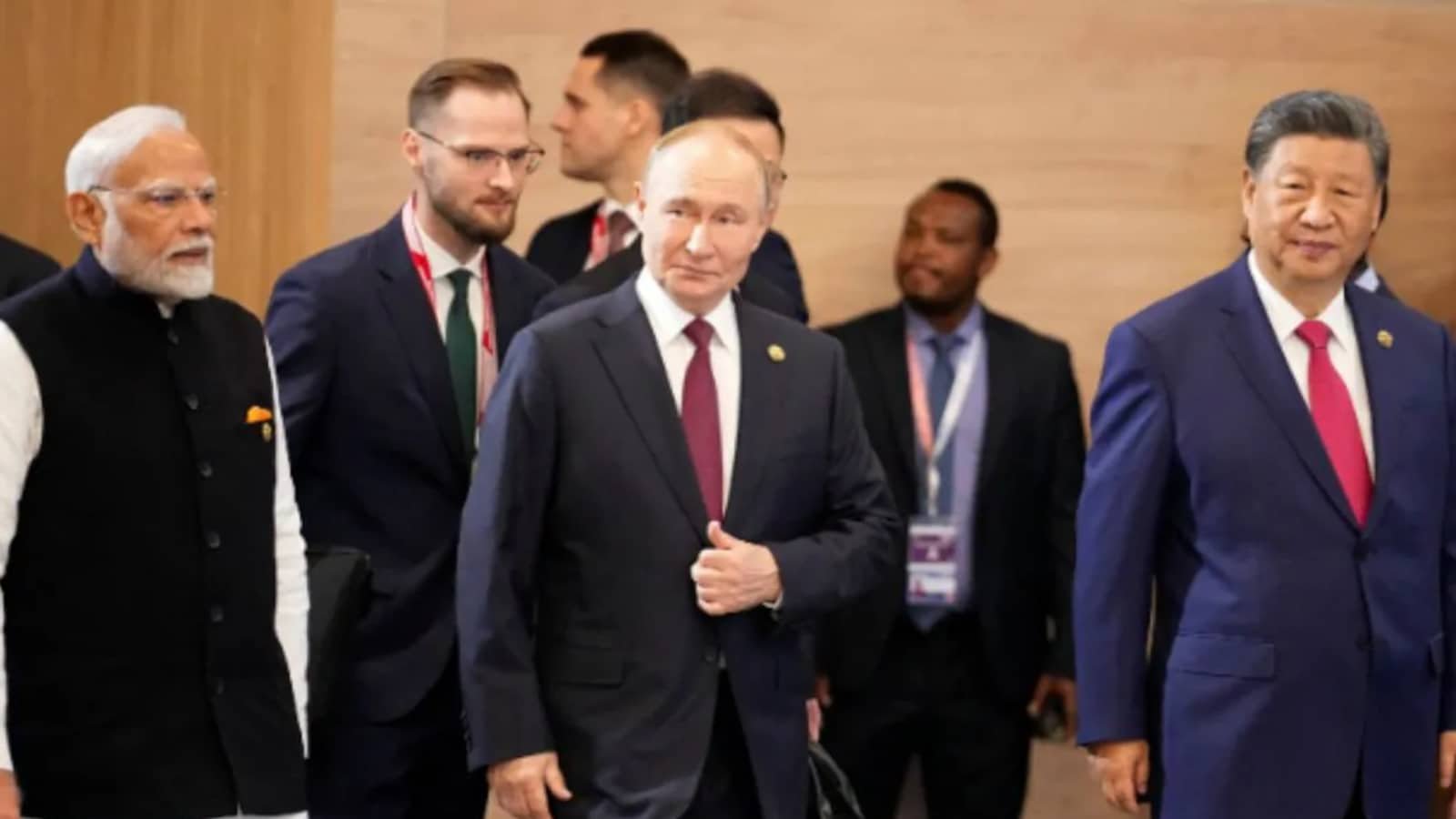
New Delhi: As India prepares to host the upcoming BRICS leaders’ summit, the government is steering the bloc’s financial agenda toward a more practical integration of digital assets. While discussions surrounding payment connectivity remain at the forefront, New Delhi is actively pushing for the expanded use of central bank-backed digital currencies (CBDCs) for cross-border trade, deliberately steering clear of any initiatives that could be perceived as a direct challenge to the dominance of the US dollar.
Sources close to the matter indicate that Prime Minister Narendra Modi is keen on leveraging CBDCs to streamline bilateral settlements between BRICS nations. However, contrary to speculation regarding a radical overhaul of the global financial architecture, officials have clarified that a unified, bloc-wide payment system is unlikely to be announced at this weekend’s summit.
A Balanced Financial Strategy
The BRICS nations—Brazil, Russia, India, China, and South Africa—have long sought ways to reduce their dependency on the Western-dominated SWIFT network. This ambition gained renewed urgency following the 2022 imposition of heavy sanctions on Russian financial institutions. Despite this momentum, India remains cautious about positioning BRICS as an explicitly “anti-dollar” alliance.
Instead, New Delhi is advocating for a framework where member nations link their respective CBDCs. This approach aims to minimize reliance on traditional intermediary banks, thereby lowering transaction costs and enhancing settlement speeds without triggering geopolitical alarm bells.
“India’s approach to BRICS cooperation, including on finance, has been development-focused,” stated Ministry of External Affairs spokesman Randhir Jaiswal, signaling that the nation is prioritizing economic efficiency over adversarial grandstanding.
Promoting Local Currency Trade
The push for digital integration is complemented by a broader strategy to settle trade using local currencies. The transition is already well underway, particularly in trade involving Russia and China. Data from the Russian agency Interfax suggests that almost all bilateral trade between Beijing and Moscow is now settled in yuan and rubles. Similarly, Sberbank’s regional head, Ivan Nosov, noted that roughly 96% of trade between India and Russia is currently managed through established rupee-ruble mechanisms.
Economic experts point out that this trend offers significant benefits. Sonal Varma, a Singapore-based economist at Nomura Holdings Inc., highlighted that local-currency settlements provide a crucial cushion against global capital volatility. “It helps conserve scarce dollar reserves for strategic imports while enabling routine trade financing in local currency,” Varma explained.
Expanding Digital Infrastructure
Beyond trade settlement, the summit is expected to feature discussions on connecting instant mobile payment systems for retail transactions. India is leading by example, having already successfully linked its Unified Payments Interface (UPI) with Singapore’s PayNow. Prime Minister Modi has publicly expressed interest in extending such digital bridges to nations with significant Indian diaspora populations.
Reserve Bank of India (RBI) officials remain proactive in these negotiations, having already established agreements with the UAE, Mauritius, Indonesia, and the Maldives to facilitate trade in local currencies. As the central bank continues to explore the digital rupee, these initiatives underscore India’s commitment to internationalizing its currency and fostering a more decentralized, cost-effective global trade environment.
Disclaimer: This content is auto-generated for informational purposes only.
Source: Read Original News