





The Imperative for Accountability in Indian Infrastructure
India’s rapid economic expansion is inextricably linked to the quality and pace of its physical infrastructure. As the Ministry of Road Transport and Highways (MoRTH) accelerates the development of national highways, the discourse around project execution has shifted from mere capacity building to a rigorous demand for quality control and accountability. Recent statements from Union Minister Nitin Gadkari regarding the persistent delays in the Mumbai-Goa highway project underscore a critical inflection point in how the Indian government evaluates its infrastructure delivery mechanisms.
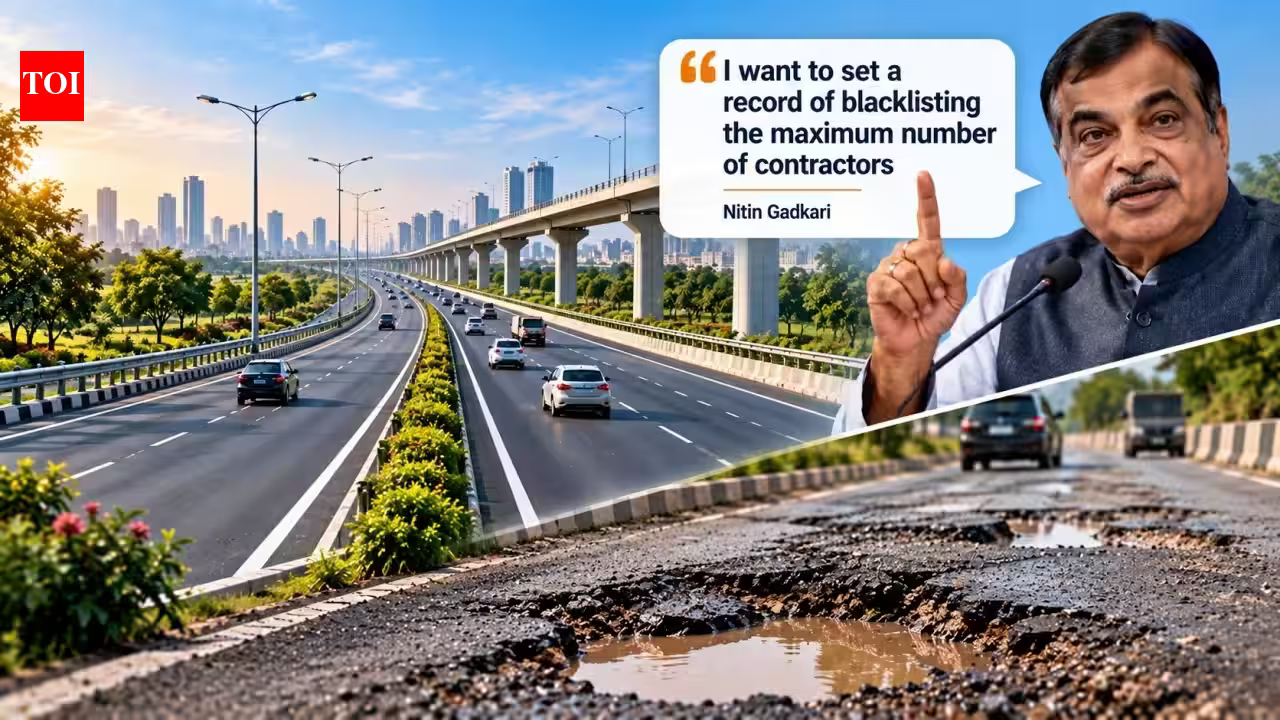
The admission of dissatisfaction by the Union Minister regarding the “ashamed” state of project delays serves as a signal to the construction industry that the era of complacency is drawing to a close. By advocating for a record-breaking campaign to blacklist underperforming contractors and suspend negligent officials, the Ministry is establishing a paradigm where professional liability is tied to the physical output of public projects. This regulatory stance is essential in a market where infrastructure projects frequently succumb to time and cost overruns, undermining the fiscal health of the sector and the economic mobility of the nation.
Economic Consequences of Project Stagnation
The financial and social ramifications of stalled infrastructure projects, such as the widening of the Mumbai-Goa highway, are profound. In the Indian context, highway networks act as the primary arteries for commerce, connecting hinterland production hubs with major maritime ports and metropolitan centers. When these projects face repeated delays, the ripple effects are felt across the supply chain. Increased logistics costs, fuel wastage during traffic congestion, and diminished vehicular efficiency directly contribute to inflationary pressures and reduced competitiveness for local businesses.
Furthermore, infrastructure projects are intended to be engines of job creation and poverty reduction. When these initiatives falter due to poor quality or lack of oversight, the capital locked in these assets remains unproductive. The Ministry’s move to tighten oversight is, therefore, not merely a administrative reaction but a strategic necessity to ensure that the national capital expenditure—often funded by taxpayer resources—delivers the intended socioeconomic returns. By demanding high standards, the government aims to prevent the “substandard execution” that has historically plagued public-private partnerships, thereby safeguarding public investment.
Integrating Sustainability and Modern Logistics
Beyond the immediate goal of road connectivity, there is a strategic pivot toward transforming highway corridors into sustainable ecosystems. Minister Gadkari’s vision for the Mumbai-Goa highway extends to the development of “oxygen parks” and scientifically planned green belts. This approach reflects a growing global recognition that infrastructure development must align with ecological stewardship. By prioritizing tree species that maximize carbon sequestration and oxygen production, the government seeks to mitigate the environmental footprint of heavy vehicular traffic.
Equally important is the emphasis on modern logistics and energy transitions. The proposal to integrate alternative fuel stations—covering electric vehicles (EVs), hydrogen, and flex-fuel systems—along the highway signifies a transition toward a greener transportation sector. For India, which continues to struggle with high oil import costs and urban air quality issues, shifting the fuel mix on long-haul routes is a proactive strategy. The integration of roadside amenities that showcase local culture and regional handicrafts also aims to stimulate the rural economy, turning transit corridors into points of commercial opportunity for local artisans and entrepreneurs.
Reimagining Urban Traffic and Infrastructure Governance
The inauguration of the Porvorim elevated corridor in Goa illustrates the Ministry’s focus on capacity augmentation in densely populated regions. By transitioning from two-lane configurations to multi-level systems that provide the equivalent of ten lanes of traffic, the project addresses the bottlenecking common in tourist-heavy states. However, infrastructure expansion must be supported by holistic urban planning. The Minister’s recommendations for Goa—including the consolidation of markets, the relocation of warehouses to city peripheries, and the modernization of bus depots—highlight that physical infrastructure is only as effective as the systemic traffic management that supports it.
For India’s rapidly urbanizing landscapes, the challenge is to move away from piecemeal road improvements toward integrated transport master plans. The call for synchronizing traffic movement and managing noise and air pollution represents a comprehensive vision for urban governance. This requires states and local bodies to act in concert with federal directives, ensuring that the physical assets created are maintained through rigorous operational standards rather than being abandoned to rapid degradation.
Setting New Industry Standards for Contractors
The primary mechanism for ensuring quality in future infrastructure will be a robust, transparent, and strictly enforced blacklist. Historically, the process of holding contractors accountable has been slow, often hindered by legal disputes and political complexities. By setting a clear intention to blacklist a record number of contractors, the government is shifting the risk profile of the industry. Contractors will now have to factor in the long-term consequences of quality lapses, moving away from a “low-bid” culture that often compromised build quality.
This stricter enforcement environment will likely foster a consolidation phase in the Indian construction sector. Larger, more technically proficient engineering firms that can guarantee project timelines and quality are expected to capture a larger market share, while firms unable to meet these stringent requirements will exit the ecosystem. This maturation of the industry is vital if India is to meet its ambitious infrastructure goals over the next decade. As the government pivots toward performance-based contracts and stricter oversight, the professional standards within the industry are set to rise, ensuring that the infrastructure built today is durable, sustainable, and capable of supporting India’s projected growth trajectory.
Ultimately, the focus on accountability and modernization marks a transition from a construction-focused era to one defined by asset management and operational excellence. The successful implementation of these directives will depend on the sustained commitment of both central and state-level stakeholders to enforce these new norms. If executed effectively, this approach will serve as a blueprint for infrastructure development across all Indian states, ensuring that the country’s physical landscape evolves in harmony with its economic ambitions.
Disclaimer: This content is auto-generated for informational purposes only.
Source: Read Original News