








The Strategic Transition to eSIM Technology
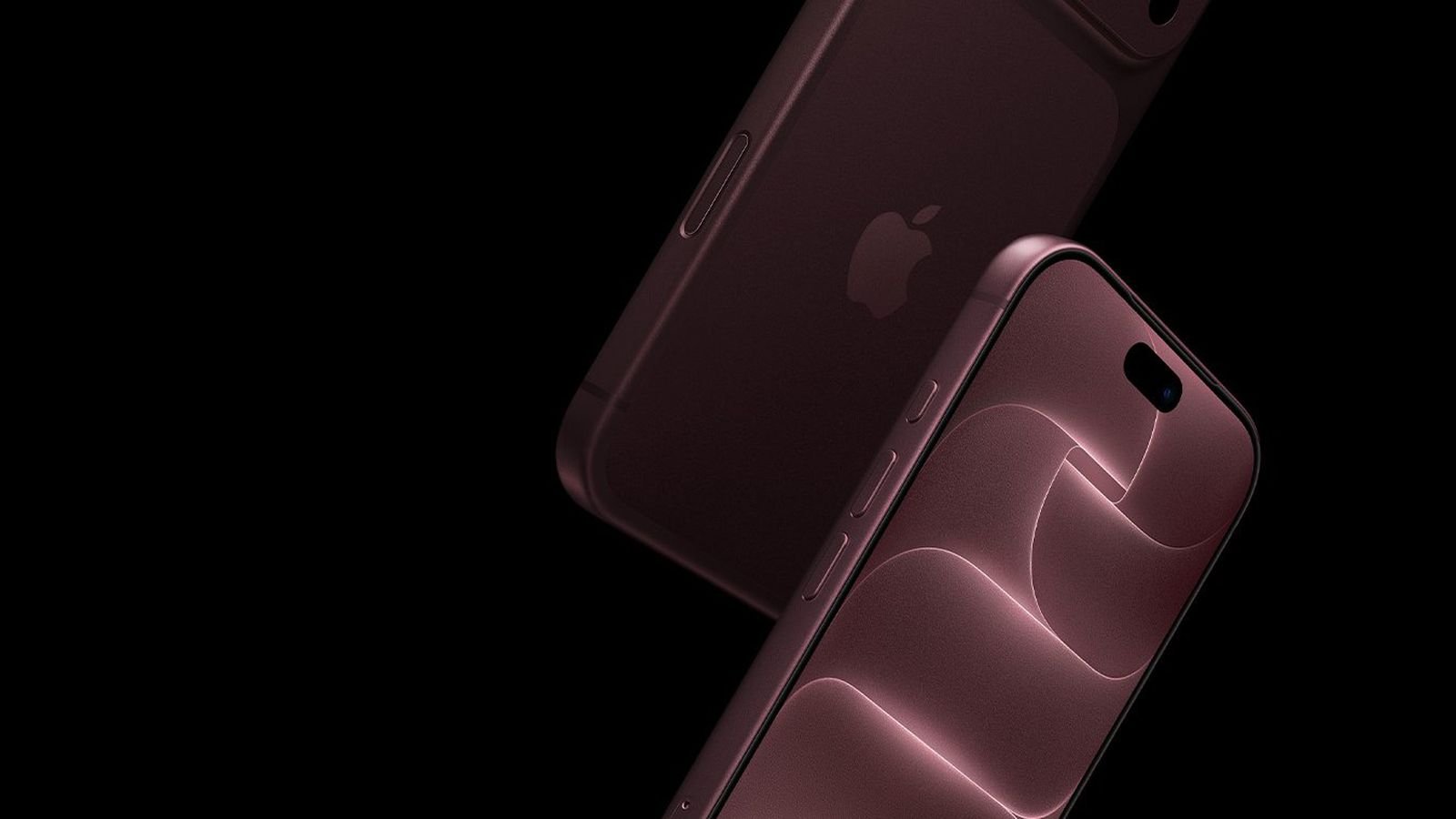
Apple’s continued expansion of the eSIM-only design with the iPhone 18 Pro and Pro Max marks a significant chapter in the evolution of mobile connectivity. Since the initial transition began with the iPhone 14 lineup in 2022, Apple has systematically moved away from physical hardware interfaces in favor of digital provisioning. In the current release cycle, the iPhone 18 Pro series continues this trajectory, exclusively utilizing eSIMs in several key markets, including the United States, Canada, Japan, and most of the Middle East.
This design philosophy shifts the responsibility of cellular network registration from a removable piece of plastic to a secure software-based profile. By removing the SIM tray, Apple effectively eliminates a physical ingress point on the device chassis. This architectural change serves dual purposes: improving the internal structural integrity of the device and reclaiming valuable interior real estate. As the industry moves toward increasingly dense internal component layouts, the removal of the bulky mechanical tray assembly allows for more efficient motherboard design and component placement.
Engineering Gains and Battery Capacity Optimization
One of the most consequential outcomes of removing the physical SIM card tray is the liberation of internal space. While a SIM tray may seem minimal, the associated reader mechanism, ejection hardware, and the necessary board footprint occupy a measurable volume within the chassis. In the context of the iPhone 18 Pro series, Apple has utilized this space to bolster battery capacity.
The trade-off between physical connectivity and power density is a primary driver of this transition. A larger battery capacity directly correlates to improved screen-on time and better overall device endurance. Although regulatory filings in the European Union indicate specific battery capacities for models retaining the SIM tray, the eSIM-only versions sold in markets like the United States benefit from the internal space saved, allowing for a higher watt-hour rating. This design choice highlights a shift in priority toward longevity, acknowledging that modern users rely on high-performance components that demand consistent and sustained power delivery throughout the day.
Security Protocols and Anti-Theft Advantages
Security remains a primary argument for the adoption of digital SIMs. A physical nano-SIM card can be easily removed from a stolen device, potentially preventing the owner from tracking it or allowing the perpetrator to access the cellular network using the device’s hardware. An eSIM, however, is deeply integrated into the device’s logic board and cannot be physically removed.
This architectural permanence means that the device remains connected to the cellular network as long as it is powered on, enhancing the efficacy of location-tracking services like Find My. Furthermore, users can password-protect the ability to modify or remove eSIM profiles, adding an extra layer of defense against unauthorized network changes. For enterprise and government users, this capability simplifies fleet management, as administrators can remotely push network configurations to managed devices without requiring physical interaction or supply chain logistics involving physical SIM cards.
Global Variability and Regional Infrastructure
While the eSIM-only model represents the future of Apple’s hardware roadmap, the transition remains regionally segmented. The current distribution highlights a split between markets where digital connectivity infrastructure is mature and regions where legacy standards still hold significant weight. For instance, countries such as the United Kingdom, Australia, and most of the European Union continue to receive iPhone 18 Pro models equipped with a physical nano-SIM tray.
This geographic fragmentation serves as a bridge for telecommunications carriers that are still developing their digital enrollment capabilities. In China, the landscape is even more complex, featuring support for dual physical nano-SIMs, combinations of physical and digital SIMs, or dual eSIMs. This variation acknowledges that carrier landscapes differ significantly; in many parts of the world, consumers still prefer the portability of switching a physical card between various devices. Consequently, Apple maintains a flexible supply chain that accommodates the specific needs of local markets while maintaining a long-term goal of total digital transformation.
User Experience and Future Connectivity
The transition to eSIM-only hardware is not merely about removing components; it is about redefining how users interact with cellular providers. The capacity to store and manage at least eight eSIM profiles on a single device fundamentally changes the experience of international travel and dual-network usage. Rather than hunting for a local kiosk or carrying multiple tiny plastic cards, users can pre-provision data plans for their destination while still in their home country.
This digital-first approach aligns with a broader industry trend of software-defined hardware. As mobile operating systems become more capable of managing complex network switching, the limitations of hardware-bound identities fade. While the physical SIM tray has been a reliable standard for decades, its replacement with eSIM technology provides a more robust, secure, and adaptable solution that fits the requirements of modern mobile computing. As network operators continue to improve their digital onboarding processes, the barrier to entry for eSIM usage will continue to drop, eventually rendering the physical SIM tray a relic of mobile history.
Disclaimer: This content is auto-generated for informational purposes only.
Source: Read Original News