





Ladakh Delegation Pushes for Institutional Safeguards for Bhoti Language
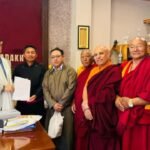
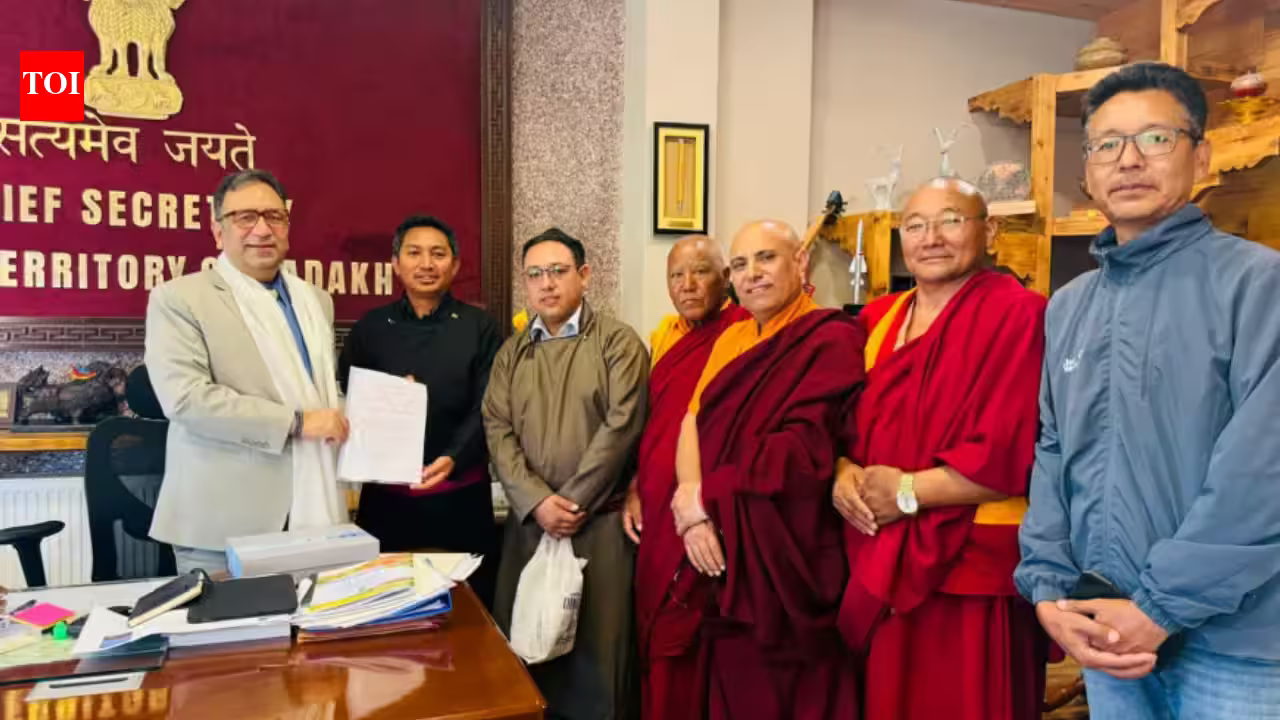
In a significant move toward preserving the linguistic and cultural fabric of the Union Territory, a high-level delegation from Ladakh recently met with Chief Secretary Ashish Kundra to demand robust institutional support for the Bhoti language. Led by former Member of Parliament Jamyang Tsering Namgyal, the group submitted a formal resolution-cum-memorandum outlining a roadmap to elevate the status of Bhoti within the region’s administrative and educational frameworks.
The delegation, which comprised esteemed representatives from various academic, social, and cultural bodies—including Dr. Sonam Wangchuk of the Ladakh Cultural Forum, Dr. Urgen Dadul of the Ladakh Buddhist Association, and Dr. Sonam Paldan of the Culture and Language Welfare Society—stressed that Bhoti is more than a medium of communication; it is a vital repository of Himalayan Buddhist traditions and Ladakh’s distinct identity.
Addressing Educational and Administrative Gaps
The memorandum presented to the Chief Secretary emphasizes a multi-pronged approach to linguistic development. Central to their demands is the integration of Bhoti within the school education system, specifically through the creation and urgent filling of vacancies for Trained Graduate Teachers (TGT) and Post Graduate Teachers (PGT).
The delegation argued that for the language to thrive, it requires a formal administrative anchor. Consequently, they have requested the establishment of a Union Territory-level Bhoti Language Development Board or Authority. Furthermore, they urged the administration to overhaul the existing Ladakh Academy of Arts, Culture and Languages, proposing that regional branches be established under the jurisdiction of the Ladakh Autonomous Hill Development Councils (LAHDCs) to ensure localized grassroots support.
Alignment with National Education Policy 2020
A key highlight of the memorandum is the call for a comprehensive language policy for Ladakh that aligns with the objectives of the National Education Policy (NEP) 2020. By promoting the mother tongue in early education, the delegation believes the region can better preserve its heritage while fostering intellectual growth among the youth.
The urgency of this demand stems from the consensus reached during a recent two-day national seminar held at the Central Institute of Buddhist Studies (CIBS) in Leh. The seminar, themed around the history and cultural significance of the Bhoti language, served as the catalyst for the joint resolution, reflecting a unified voice from the region’s intelligentsia.
Census Concerns and Future Outlook
Beyond long-term institutional policies, the delegation raised immediate concerns regarding the ongoing Census process. They highlighted the importance of ensuring that mother tongue and language options are clearly and accurately represented for the people of Ladakh during the enumeration.
Chief Secretary Ashish Kundra offered a positive reception to the delegation’s proposals. He assured the representatives that their concerns regarding the Census process would be addressed promptly and indicated that the administration is committed to taking the necessary steps to safeguard the region’s linguistic heritage.
As Ladakh continues to navigate its identity as a Union Territory, the drive to institutionalize the Bhoti language marks a critical juncture in balancing modern developmental goals with the preservation of age-old cultural legacies. Whether these demands will translate into a swift policy overhaul remains to be seen, but the active dialogue between civil society and the UT administration suggests a collaborative path forward.
Disclaimer: This content is auto-generated for informational purposes only.
Source: Read Original News