




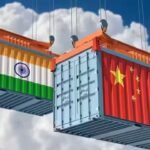




The Evolution of India-China Economic Interdependence
The economic relationship between India and China stands at a complex intersection of massive market potential and significant geopolitical friction. While trade figures continue to show robust engagement, the regulatory landscape for Chinese enterprises in India has undergone a profound transformation. The recent discourse regarding the Serious Fraud Investigation Office (SFIO) and its potential probe into Xiaomi serves as a microcosm of the broader challenges characterizing this bilateral business environment. For multinational corporations and domestic investors alike, the situation highlights the necessity of navigating a landscape where commercial interests are increasingly susceptible to the broader currents of international relations.
Historically, the trade corridor between New Delhi and Beijing was defined by rapid growth in the manufacturing, consumer electronics, and infrastructure sectors. Chinese companies, particularly smartphone giants and hardware manufacturers, found a lucrative entry point in the vast Indian consumer market. By leveraging supply chain efficiencies and aggressive pricing, these firms achieved significant market penetration. However, the post-2020 environment, marked by border tensions, has necessitated a recalibration of these commercial strategies. The demand for a “fair, transparent and non-discriminatory” business environment, as recently articulated by Chinese officials, underscores the growing discomfort among foreign firms regarding the regulatory scrutiny they currently face in India.
Regulatory Scrutiny and the Corporate Compliance Landscape
The recommendation by the SFIO to initiate a deeper investigation into Xiaomi’s fund transfers and investment approvals signals a tightening of compliance oversight. In the Indian business context, this development is not an isolated incident but part of a wider trend toward increased scrutiny of foreign direct investment (FDI), particularly from bordering nations. For businesses, this represents a shift from a growth-oriented regulatory regime to one that emphasizes rigorous scrutiny of financial records, capital flows, and adherence to domestic corporate governance standards.
For Chinese companies, the challenge lies in balancing their global operational models with the specific regulatory requirements set forth by the Ministry of Corporate Affairs. The ambiguity surrounding whether certain entities secured mandatory approvals creates a high-stakes environment where any perception of regulatory non-compliance can lead to protracted legal hurdles. Consequently, the focus for foreign entities operating in India has shifted toward proactive compliance and transparent reporting. Companies that prioritize robust legal frameworks and demonstrable adherence to Indian tax and investment laws are better positioned to weather the current climate of skepticism.
Strategic Realignment in a Geopolitical Context
The call for a stable and predictable relationship, as championed by diplomats like Ambassador Vikram Doraiswami, suggests that both nations recognize the limitations of a purely adversarial posture. Economic prosperity for a combined population of nearly three billion people relies heavily on predictable trade policies and the stability of supply chains. Yet, the persistent tension over disputed territories and border management often spills over into the boardroom. Indian industries, increasingly focused on self-reliance or “Atmanirbhar Bharat,” are attempting to reduce dependency on Chinese components in critical sectors like semiconductors and renewable energy.
Despite these efforts, total decoupling remains economically impractical. The reliance on Chinese industrial inputs, raw materials, and finished goods is deeply entrenched in the Indian manufacturing value chain. As global companies seek to diversify their operations—moving toward a “China-plus-one” strategy—India has emerged as a premier destination. However, to sustain this transition, India must ensure that its regulatory processes are perceived as equitable. The Chinese demand for non-discriminatory practices highlights the need for India to maintain a clear, rule-based investment environment that fosters trust among global investors while simultaneously securing its own national interests.
BRICS and the Future of Bilateral Cooperation
The upcoming BRICS summit, hosted by India, provides a pivotal platform for dialogue. The participation of high-level delegations and the potential for bilateral meetings between leadership signal a shared commitment to maintaining a dialogue, even when geopolitical friction is present. For the business community, these high-level interactions are viewed as a barometer for future economic policy. A successful, diplomatic summit could alleviate some of the immediate pressures on Chinese firms operating in India and pave the way for a more structured approach to trade disputes.
In terms of market insights, the focus for the near future will likely remain on technology transfer, digital economy cooperation, and sustainable growth—the core pillars of the 18th BRICS summit. If India and China can establish a framework that separates commercial enterprise from border-related disputes, it could lead to a more predictable environment for companies currently operating under the shadow of investigative scrutiny. Conversely, a failure to harmonize these relationships could result in further restrictions, forcing companies to reconsider their long-term commitments to the Indian market.
Navigating Long-Term Market Risks
The long-term outlook for Indo-Chinese business ties remains cautious. Investors are currently weighing the benefits of India’s demographic dividend and massive scale against the risks of regulatory volatility. To thrive in this environment, firms must adopt a strategy that emphasizes “local relevance.” This involves deeper integration with local partners, adhering strictly to domestic labor and tax laws, and aligning corporate objectives with India’s national developmental priorities.
Furthermore, the digital sector, which has been a primary target of recent regulatory actions, will continue to face scrutiny regarding data localization and privacy. Companies that proactively address these concerns, rather than reacting to investigations, will likely find more favor with regulators. The shift in tone from Beijing, requesting fairness and transparency, suggests that Chinese companies are preparing for a more demanding operational environment. Whether this leads to a resolution of the current investigative friction or signals a prolonged period of uncertainty will depend on the evolution of bilateral diplomatic ties. Ultimately, the stability of the trade relationship will be dictated by the ability of both nations to find common ground in the digital, climatic, and economic sectors, ensuring that the mutually beneficial nature of their trade is preserved in an increasingly fragmented global economy.
Disclaimer: This content is auto-generated for informational purposes only.
Source: Read Original News