








The iconic ticking stopwatch of 60 Minutes is about to undergo its most significant transformation in decades. As CBS News prepares to launch a revamped season of America’s most-watched news program, the industry is watching with a mix of skepticism and curiosity to see if editor-in-chief Bari Weiss can successfully modernize the storied franchise without dismantling the very foundation that made it a television institution.
A Legacy at a Crossroads
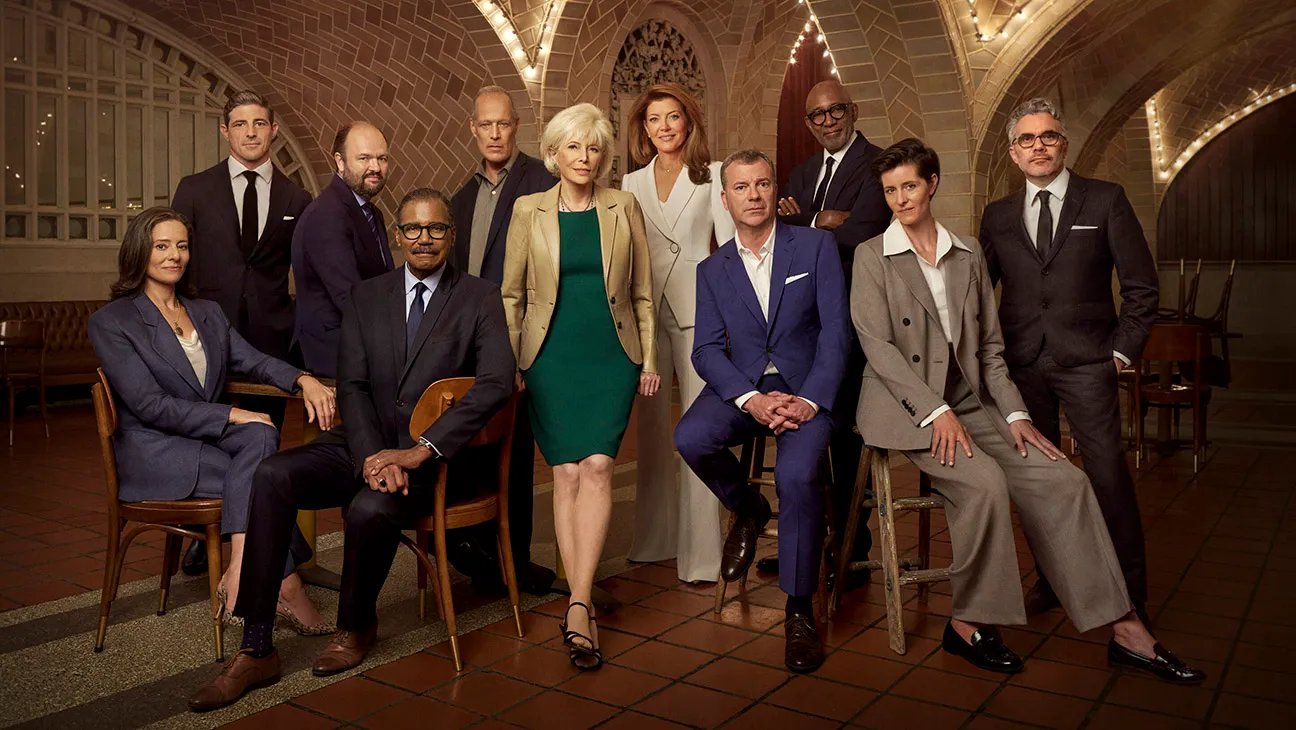
The history of CBS News is inextricably linked to the physical architecture of New York City, from the early days of Edward R. Murrow in Grand Central Terminal to the polished studios of the modern era. In a symbolic nod to its roots, the network recently staged its new correspondent photos in the basement of the Grand Central Oyster Bar.
However, beneath the aesthetic choices lies a period of profound internal turmoil. The lead-up to this season has been defined by a high-profile exodus of veteran producers and the departure of established on-air talent, including Anderson Cooper, Scott Pelley, and Cecilia Vega. Under the direction of new executive producer Nick Bilton, the show is attempting to pivot, but industry insiders warn that replacing deep institutional knowledge is a precarious gamble. The success or failure of this experiment will serve as a defining marker for Weiss’ tenure at the network.
Innovation vs. Preservation
The network is navigating a delicate balance: trying to inject “gonzo” energy and fresh formats into the show while banking on the familiar. The new season will feature a mix of traditional investigative segments—including a Pentagon-access piece on Secretary Pete Hegseth—alongside rumored experiments like hidden camera reports and a potential revival of the classic “Point/Counterpoint” debate format.
This push for innovation has met with vocal resistance. Guy Campanile, a former managing editor who was among those pushed out during the transition, described the internal climate as an effort to prevent the “destruction” of the program. Yet, some industry veterans suggest the change is overdue. Former NBC anchor Brian Williams noted that the program’s long-standing tradition of taking summers off is an anachronism in a 24-hour news cycle. Meanwhile, other media figures, such as producer Jonathan Wald, have defended the shake-up, suggesting that challenging the status quo is necessary for the survival of legacy media.
The Role of Tech and Data
While the editorial content of 60 Minutes remains anchored to its traditional three-segment format, the business of news is shifting rapidly under the pressure of new technologies. Conversations around the future of broadcasting now regularly incorporate the role of artificial intelligence and the changing infrastructure of media production.
As the industry grapples with the transition from traditional television to digital-first consumption, there is increasing speculation about how data-driven insights will influence program planning. While 60 Minutes has historically relied on the massive lead-in audience provided by Sunday afternoon NFL broadcasts to maintain its ratings dominance, the network is now betting that its new editorial direction will resonate with a modern, fragmented audience.
As the first episode airs this Sunday, the primary challenge remains clear: 60 Minutes must prove that its “DNA” is resilient enough to survive a total aesthetic and administrative overhaul. Whether the “It’s Time” marketing campaign translates into continued dominance or reveals a misdiagnosis of the brand’s core appeal remains the biggest question in broadcast news. For now, the ticking clock continues, and the industry is holding its breath.
Disclaimer: This content is auto-generated for informational purposes only.
Source: Read Original News