








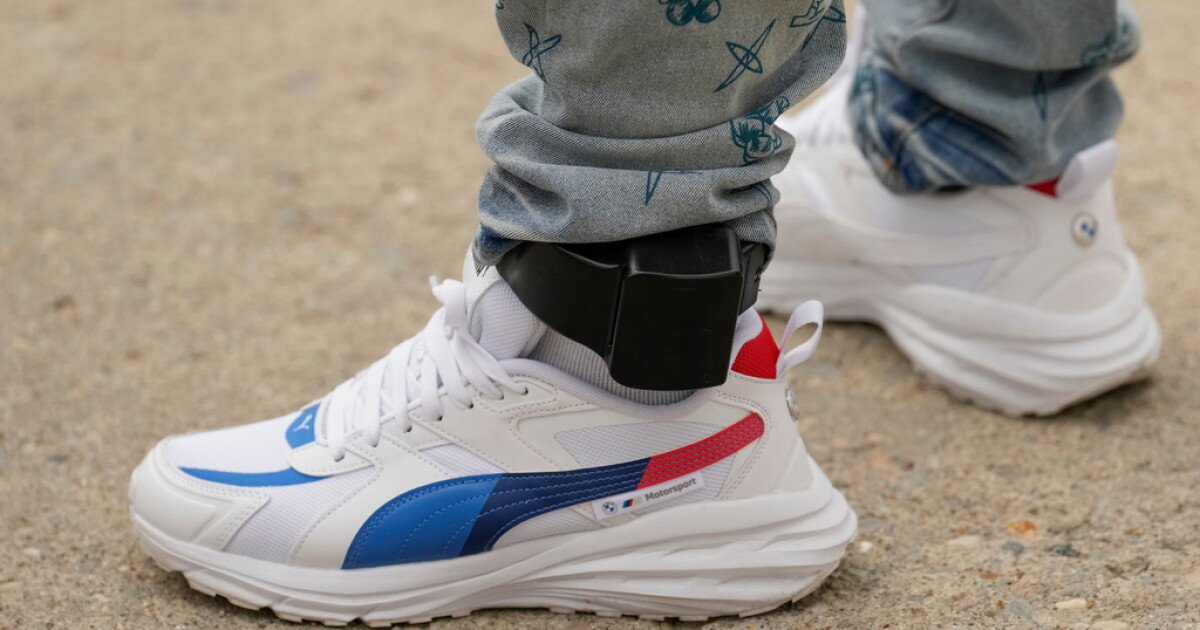
The rapid expansion of federal immigration surveillance programs is fueling a financial windfall for a major private corrections corporation, raising questions about why the government is prioritizing expensive hardware over digital alternatives. Under a massive contract with Immigration and Customs Enforcement (ICE), B.I. Incorporated—a subsidiary of the GEO Group—has seen its revenue stream grow significantly as the use of GPS ankle monitors surges among the immigrant population.
Data from the federal spending registry shows that the company secured a contract in September 2025 valued at $1.02 billion. To date, the agency has obligated $228.5 million of that sum specifically for ankle monitoring and related oversight services.
The Rise of Private Profit in Federal Surveillance
The GEO Group, already known for operating private detention centers, has made no secret of the financial benefits tied to these monitoring devices. During an August 2026 investor earnings call, CEO George Zoley highlighted a dramatic shift in federal enforcement: the number of individuals forced to wear GPS trackers tripled, climbing from 17,000 in 2025 to 54,000 this year.
Despite the availability of smartphone-based tracking apps—which industry experts and even company leadership acknowledge are significantly cheaper to maintain—ICE has opted for the costlier hardware. Zoley noted during the call that he anticipates further growth in the contract, particularly as the administration moves to apply stricter oversight to thousands of Haitian immigrants who recently lost their Temporary Protected Status.
Human Impact and Legal Challenges
While the contract benefits the bottom line of the GEO Group, advocates are highlighting the severe human cost. The physical and psychological toll of these devices has become the center of a growing class-action lawsuit. Plaintiffs allege that the monitors cause chronic pain, physical scarring, and swelling. Beyond the physical symptoms, the stigma associated with wearing the devices has created a barrier to gainful employment, further marginalizing those already navigating a complex legal system.
The case of 20-year-old Pierre Damas Bel, a Haitian immigrant who tragically died by suicide shortly after being required to wear a monitor, has brought national attention to the issue. His family and advocates point to the “shame and humiliation” described by Bel as a critical factor in his declining mental health, illustrating the profound distress these tools can inflict.
Sarah Decker, a senior staff attorney at the Robert and Ethel Kennedy Human Rights Center, argues that the reliance on these devices is not a matter of security, but a deliberate business model. “These devices come at an enormous taxpayer expense,” Decker said. “It drives up profits directly into the hands of the private prison company that is manufacturing these devices. It’s not an unintended side effect.”
DHS Defends Program Amid Scrutiny
The Department of Homeland Security maintains that its reliance on GPS hardware is driven by the need for accuracy. A spokesperson for the agency stated that electronic monitoring allows officers to track individuals more effectively than mobile application alternatives, dismissing claims that financial gain plays a role in the policy.
Furthermore, the agency emphasized that individuals subject to these conditions have alternatives, pointing toward government-sponsored repatriation programs. “Any illegal alien who is worried about having to wear an ankle monitor or any other GPS devices should accept the $3,000 stipend from the U.S. government and free flight home by self-deporting,” the spokesperson noted in response to inquiries.
As the legal challenges proceed, the debate over whether the federal government should prioritize private sector profits over less invasive, more cost-effective digital monitoring technologies remains a flashpoint in the broader national immigration conversation.
Disclaimer: This content is auto-generated for informational purposes only.
Source: Read Original News