







A New Contender in the Large-Scale FPS Arena
The landscape of tactical, large-scale first-person shooters has long been dominated by a select few franchises. However, the recent launch of Wardogs by developer Bulkhead marks a significant disruption in this status quo. Entering early access with immediate force, the title has rapidly ascended the ranks of the Steam platform, recording over one million copies sold in its opening window. With concurrent player counts eclipsing 300,000, the server infrastructure has been pushed to its limits, resulting in queues that highlight the massive immediate demand for a new, high-fidelity warfare experience.
This commercial success is notable not only for its volume but for the transparency of its development cycle. CEO Joe Brammer noted that the team actively discouraged blind pre-purchase hype, opting instead for a candid marketing approach that outlined the limitations of the game’s current state. Despite this grounded messaging, the player base has responded with enthusiasm, cementing Wardogs as a title that bridges the gap between arcade-style shooters and intense military simulations.
Bridging the Gap Between Simulation and Action
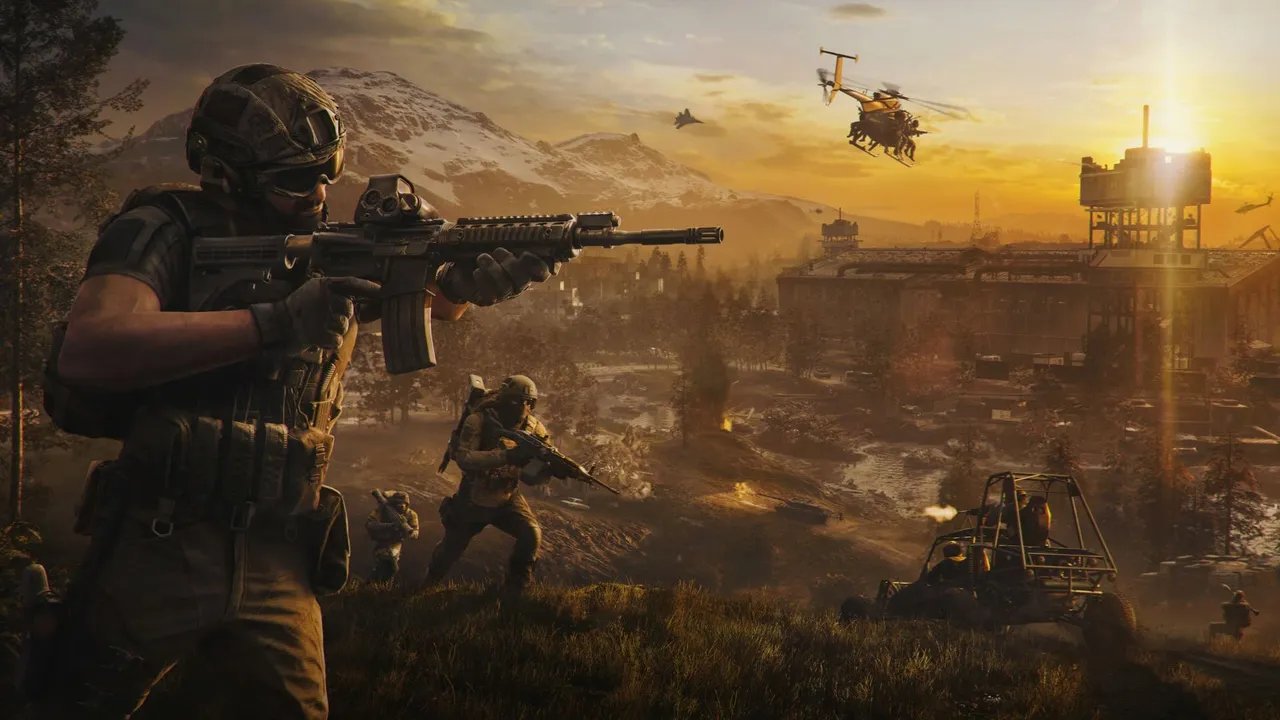
At the core of the Wardogs experience is a carefully calibrated balance between two distinct sub-genres. Modern shooters typically fall into one of two camps: the high-speed, arcade-focused gameplay exemplified by series like Call of Duty, or the slow-paced, logistical realism of simulations such as Arma. Wardogs attempts a middle-ground architecture, offering a “grounded” tactical experience that does not sacrifice the immediacy of large-scale combat.
The technical design favors emergent gameplay—a system where the game’s mechanics create unplanned, unique interactions between players and the environment. By focusing on physics-based combat and realistic damage models, the developers have created a platform where teamwork and situational awareness are as critical as raw aiming skill. This design philosophy is aimed at a target audience that finds current market offerings either too simplistic or excessively punishing.
Technical Infrastructure and Early Access Realities
The launch of Wardogs is officially categorized as an early access release, a crucial distinction that frames how users should perceive its current state. The high concurrent player counts have revealed technical bottlenecks, specifically regarding server capacity and network stability. Bulkhead has communicated openly that this phase is intended for rigorous stress testing and gathering performance data directly from the user base.
For the developer, this stage of the project is fundamentally iterative. The plan moving forward involves a feedback loop where player data—gathered from millions of combat hours—informs the adjustment of game balance, weapon tuning, and optimization updates. While the current build offers a robust foundation, the developer explicitly states that technical stability and content expansion are ongoing objectives. The strategy is to refine the core engine mechanics before moving toward the broader release roadmap, ensuring that the foundational code can handle the complexity of the large-scale battles the game promises.
Future Expansion and Platform Strategy
While the PC release has been the primary focus of this initial rollout, Bulkhead has confirmed plans for a multi-platform strategy. The developer is targeting 2028 for a release on PlayStation 5 and Xbox hardware. This timeline suggests a long-term development commitment, prioritizing the maturity of the engine and the integration of feedback from the PC community before porting the title to consoles.
By taking a measured approach to the console release, the studio aims to avoid the common pitfalls of rushing hardware-intensive games to platforms that require different optimization standards. This patience is a recurring theme in the studio’s communication, as they have signaled an intent to avoid the pressure of immediate, frequent content drops. Instead, the focus remains on long-term sustainability, acknowledging that while the current player count is high, maintaining that interest requires consistent, meaningful updates rather than rapid, low-quality expansions.
Market Impact and Competitive Standing
The success of Wardogs highlights a shift in player preference toward titles that offer a distinct, grounded, and large-scale multiplayer environment. By positioning itself against the established titans of the industry, Wardogs has identified a vacuum where players are looking for an alternative to the seasonal cycles of long-standing military shooter franchises.
The project’s impact goes beyond mere sales figures; it demonstrates that transparency in the early access model can yield high rewards. By effectively managing expectations and prioritizing clear communication, Bulkhead has successfully turned an unpolished, incomplete version of their software into a blockbuster launch. The challenge for the studio now shifts from acquiring users to retaining them. If the developers can successfully navigate the complexities of early access, address the server limitations, and deliver on the promise of their gameplay mechanics, Wardogs stands a strong chance of carving out a permanent, influential space in the tactical shooter genre. The coming months will be defining as the studio pivots from the initial rush of launch to the sustained operation of a live-service environment.
Disclaimer: This content is auto-generated for informational purposes only.
Source: Read Original News