








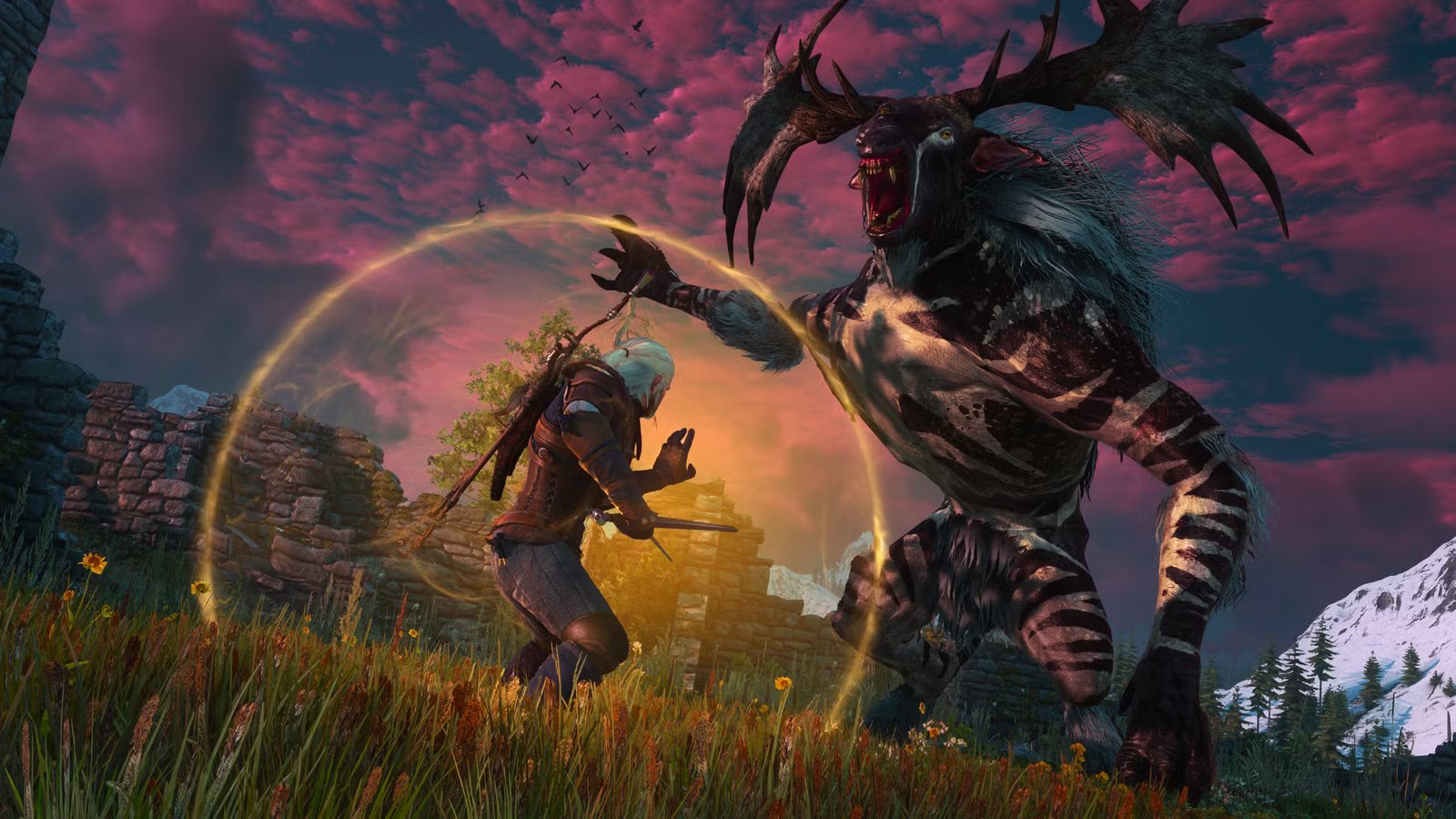
Technological Evolution and the Chain Weapon
The longevity of The Witcher 3: Wild Hunt serves as a testament to the robust foundation CD Projekt Red established over a decade ago. Despite the original release occurring in 2015, the developer continues to refine and expand upon the title. With an upcoming remastered version scheduled for release later this month and a significant expansion titled Songs of the Past slated for 2027, the studio is revisiting technical limitations that previously stifled their creative vision.
Central to the upcoming expansion is the implementation of a chain weapon for the protagonist, Geralt of Rivia. While the chain has been part of Witcher lore since Andrzej Sapkowski’s original short stories and famously appeared in the 2007 cinematic introduction to the first game, it remained absent from the series’ gameplay iterations. According to game director Jakub Rokosz, the absence was not due to a lack of desire, but rather insurmountable technical challenges present during the development cycles of the second and third games. The modern remaster provides the necessary environment to finally realize this mechanic, allowing for a fluid, physics-based weapon that functions as intended.
Addressing Physics and Combat Dynamics
The primary hurdle in implementing a chain weapon in previous iterations involved the complexity of procedural animation and collision detection. A weapon characterized by length, flexibility, and swinging momentum requires a high level of physics precision to feel authentic rather than static. Developers noted that in 2015, the hardware and software constraints made it difficult to maintain stability while rendering such an object in real-time combat scenarios.
By leveraging updated engine capabilities in the remaster, CD Projekt Red has successfully integrated the chain as a dynamic tool. The weapon utilizes advanced inverse kinematics and collision-mesh calculations to ensure that the chain interacts realistically with the environment and enemy hitboxes. This technical leap allows for complex movement patterns that translate into reliable combat inputs. For players, this means the chain is not merely a visual asset but a functional piece of equipment that changes the tactical approach to encounters.
Strategic Utility and Crowd Control
The introduction of the chain weapon serves a specific purpose in the balancing of Songs of the Past. Senior quest designer Despoina Anetaki highlights the utility of the weapon against new enemy types, such as the Swarmions. These foes are designed to overwhelm the player, necessitating tools that provide effective crowd control and spacing.
The chain offers a distinct advantage over the crossbow, which has traditionally been the primary ranged tool for Geralt. Whereas the crossbow provides singular, low-damage pokes, the chain offers a tactical suite of maneuvers. It allows the player to pull enemies toward Geralt for follow-up strikes or keep them at bay, effectively managing the tempo of a swarm-based engagement. This implementation adds a layer of depth to the combat loop, moving away from simple parry-and-riposte cycles toward more versatile, positional gameplay. The ability to break an enemy’s defensive barrier with a well-timed strike and transition into a high-impact finisher demonstrates the degree of control now available to the player.
Integration within the Remastered Environment
The remaster project itself acts as a bridge between the game’s initial technical architecture and modern requirements. By incorporating features derived from popular community mods and refining the core engine, CD Projekt Red has created an environment where legacy assets can be updated or added without destabilizing the underlying gameplay. This process has necessitated a deep dive into the original codebase to optimize how new mechanics, such as the chain weapon, interact with existing systems like stamina, adrenaline, and hit-detection buffers.
The inclusion of the chain is emblematic of the current design philosophy at the studio: using modern technical bandwidth to retroactively fulfill the scope of the original project. By normalizing the weapon as a natural component of Geralt’s arsenal, the developers are bridging the gap between the character’s capabilities in the written lore and his performance in the digital medium.
Looking Toward the Future
The release of Songs of the Past in 2027 marks a significant milestone for the franchise, serving as a concluding act for this era of the game before the transition to the next installment. The technical progress showcased in this expansion, particularly regarding complex weapon physics and refined artificial intelligence for enemy swarms, provides a roadmap for the development of The Witcher 4, which is currently scheduled for 2028.
By continuing to update The Witcher 3, CD Projekt Red is not only maintaining player interest but also performing a practical study on how to evolve established RPG mechanics. The transition from the limitations of 2015 to the technological fluency of the upcoming remaster highlights the trajectory of the studio’s internal tools. As the industry moves toward higher fidelity in character interaction and environmental physics, the studio’s focus on refining these specific combat elements ensures that the legacy of Geralt of Rivia remains relevant within a modern gaming ecosystem. Players can anticipate a more refined, challenging experience that finally aligns with the vision established eleven years ago.
Disclaimer: This content is auto-generated for informational purposes only.
Source: Read Original News