








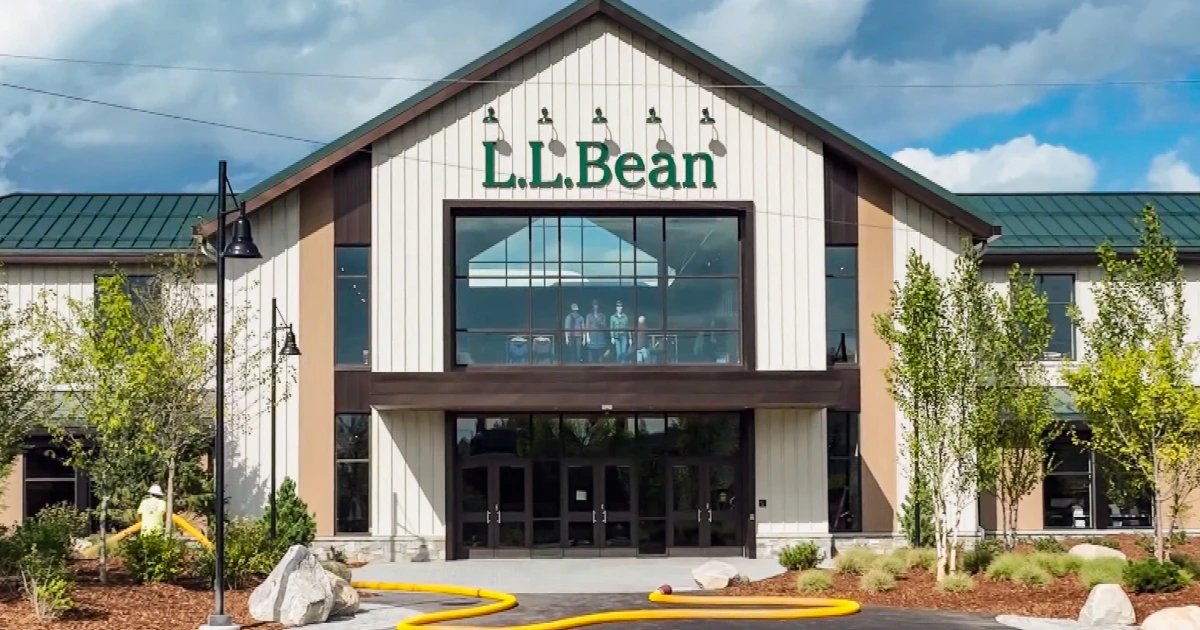
The retail landscape is currently defined by a relentless race to integrate artificial intelligence, with major corporations deploying algorithms to optimize logistics, personalize marketing, and automate customer service. Yet, as the tech industry pivots toward a high-speed, AI-driven future, one iconic American retailer is choosing to stand firmly on the sidelines.
L.L.Bean, the $2 billion outdoor apparel giant, is bucking modern trends by prioritizing its century-old, human-centric approach over the rapid adoption of new automation tools. According to CEO Greg Elder, while the company remains “curious” about the potential of AI, it has no plans to integrate it into its core creative operations, such as its famous mail-order catalog.
## Preserving the Human Touch in a Digital Era
In an era where many brands are using generative AI to create cost-effective, synthetic imagery and marketing content, L.L.Bean is doubling down on traditional methods. Elder maintains that the company’s reputation is built on authenticity, noting that they still rely exclusively on old-school photography featuring real products and human models.
For a brand that has thrived for over 112 years, this decision is not merely a rejection of technology, but a commitment to the “personal selling experience” that defines its heritage. Elder suggests that the company’s DNA is fundamentally incompatible with the automated, cold efficiency that AI often introduces to retail. By refusing to outsource its creative vision to machines, L.L.Bean is betting that its customers value the tactile, “real-world” identity of the brand more than the marginal efficiency gains offered by the latest tech updates.
## Environmental Stewardship vs. Computing Power
Beyond the cultural shift, L.L.Bean’s caution toward AI is rooted in a pragmatic environmental concern. While tech giants and industry analysts often focus on the productivity benefits of large language models and cloud-based automation, the outdoor retailer is closely monitoring the hidden costs.
Elder has publicly cited the massive energy and water demands required to power modern data centers as a primary deterrent. For a company that markets itself as a steward of the outdoors, the environmental footprint associated with widespread AI adoption stands in direct conflict with its corporate values. Unlike many of its retail peers that view AI as a net positive for the bottom line, L.L.Bean is evaluating the technology through the lens of sustainability. The company has signaled that until AI can evolve to meet high environmental standards, it is comfortable lagging behind the rest of the industry.
## Maintaining a Legacy in a Changing Market
L.L.Bean’s refusal to chase the AI hype cycle is consistent with its broader business strategy, which prioritizes long-term stability over short-term optimization. This commitment is best exemplified by the company’s recent $50 million, four-year renovation of its flagship store in Freeport, Maine.
While competitors are closing physical storefronts to save on overhead by shifting to online-only, algorithm-managed business models, L.L.Bean continues to operate approximately 60 brick-and-mortar locations. The leadership team believes that in a world dominated by digital screens, the ability for customers to touch fabrics and experience products in person remains an irreplaceable competitive advantage.
By remaining privately held and family-owned, L.L.Bean has the rare luxury of ignoring the quarterly pressures from shareholders that often force public companies to jump on tech trends prematurely. As the retail industry continues its headlong dive into automation, L.L.Bean is proving that staying “atypical” can be a powerful way to protect a brand’s soul. For now, the company is content to let the rest of the tech world innovate, trusting that the next 100 years of their story will be written by people, not software.
Disclaimer: This content is auto-generated for informational purposes only.
Source: Read Original News