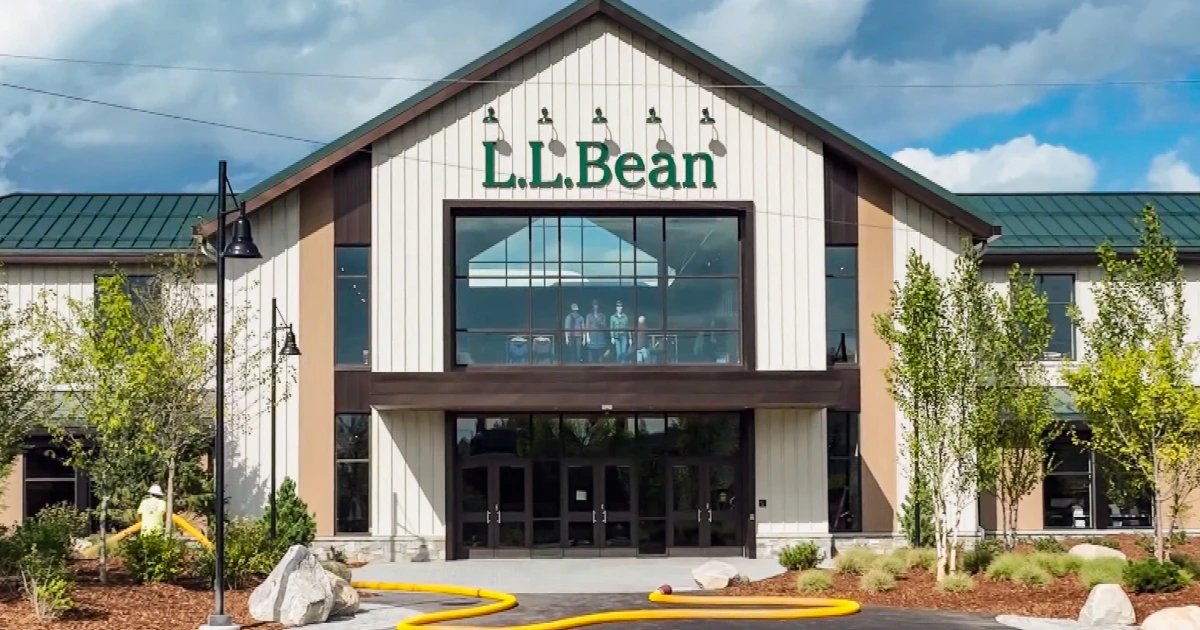








L.L. Bean is charting a new course for its international operations, leveraging advanced artificial intelligence and cloud-based logistics to deepen its market presence in Canada. As the iconic American retailer navigates a shifting retail landscape, the company announced that it is integrating Google Cloud’s data analytics suite to streamline its cross-border supply chain and personalize customer experiences for its northern neighbors.
“We have long had a tremendous relationship with our neighbors to the north,” said CEO Greg Elder. With this latest strategic pivot, Elder noted that the goal is not just to sell outdoor gear, but to use predictive AI to anticipate the specific needs of Canadian shoppers, ranging from regional climate shifts to localized fashion trends.
## Leveraging AI to Power Cross-Border Logistics
The backbone of this expansion relies on Google’s Vertex AI platform. L.L. Bean has begun utilizing machine learning models to optimize inventory distribution across its Canadian distribution centers. By analyzing historical purchasing data alongside real-time logistics feeds, the company can now predict which product lines will see high demand in specific provinces weeks before the season begins.
This transition toward AI-driven logistics is part of a broader industry trend where legacy retailers are adopting “tech-first” mentalities to compete with digital-native brands. For L.L. Bean, the integration means fewer stock-outs and a faster turnaround time for online orders, a critical metric for maintaining customer loyalty in an era of rapid delivery expectations. By automating inventory replenishment, the company aims to reduce its carbon footprint—a nod to its brand heritage—by minimizing unnecessary freight movement.
## Personalizing the Digital Storefront
Beyond the warehouse, the user interface of the Canadian storefront is undergoing a major technological overhaul. Utilizing Google’s Gemini-powered search and recommendation engines, the brand is rolling out a more intuitive shopping experience. Customers visiting the site will now encounter AI-driven product suggestions that adapt based on browsing history and local weather data.
“The digital store should feel as personal as a conversation in one of our retail locations,” said a company spokesperson during a press briefing. The new updates allow the website to adjust its featured inventory dynamically. If a winter storm is forecasted for Ontario or Quebec, the platform automatically promotes high-performance thermal gear and weather-resistant footwear, ensuring that the technology is serving the practical needs of the consumer in real-time.
## The Future of Retail in the Cloud
This partnership with Google underscores a significant shift in how legacy retailers utilize tech infrastructure to stay relevant. As the retail sector faces intense pressure from both e-commerce giants and economic headwinds, companies like L.L. Bean are betting that cloud-native data architecture is the key to longevity.
By consolidating its consumer data into a centralized Google Cloud ecosystem, L.L. Bean is breaking down the siloes that previously hindered its international growth. This unified view of the customer allows for more sophisticated loyalty programs and targeted marketing campaigns that do not rely on invasive third-party tracking.
As L.L. Bean continues to scale its operations in Canada, the brand remains a case study in how heritage companies can blend tradition with modern digital transformation. By focusing on AI-backed efficiency, the retailer is ensuring that its “tremendous relationship” with its international customers is supported by the most robust technology available, proving that even a century-old company can lead the pack in the digital age. Moving forward, the industry will be watching closely to see if these cloud investments translate into sustained growth in an increasingly crowded retail market.
Disclaimer: This content is auto-generated for informational purposes only.
Source: Read Original News