







Diplomatic Thaw: Modi and Xi Hold High-Level Talks at BRICS Summit in New Delhi
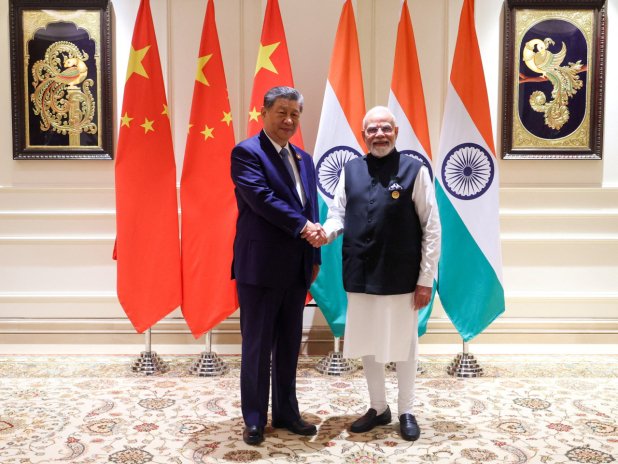
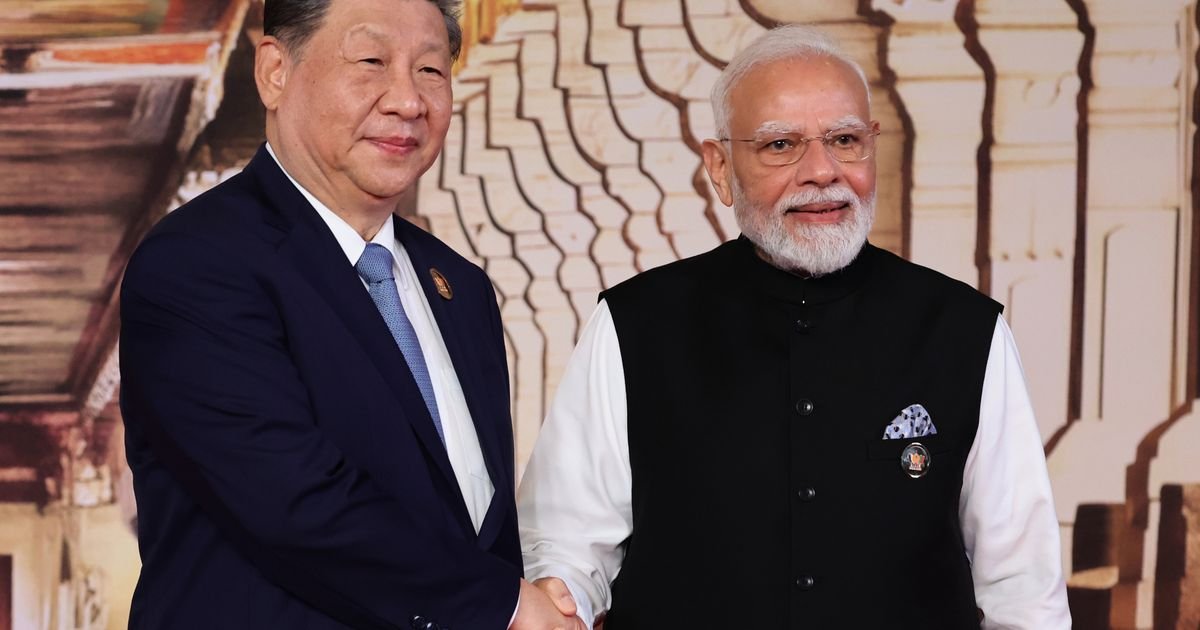
NEW DELHI — In a significant move aimed at tempering years of geopolitical friction, Indian Prime Minister Narendra Modi and Chinese President Xi Jinping held high-level discussions on the sidelines of the BRICS summit in New Delhi. The meeting serves as the latest bridge-building exercise between the two nuclear-armed neighbors, who have been struggling to normalize relations since a brutal military confrontation altered the landscape of their border diplomacy six years ago.
Seeking a Path to Strategic Stability
During the dialogue, President Xi underscored the necessity of viewing the Sino-Indian relationship through a “strategic and long-term” lens. Highlighting the weight both nations carry as pillars of the Global South, Xi advocated for a model of high-quality cooperation. He suggested that by leveraging their respective national strengths, India and China could foster mutual development and contribute to a more multipolar world order that favors stability over conflict.
Prime Minister Modi acknowledged the gesture, extending his gratitude to the Chinese leader for Beijing’s active role in the success of the current summit. The interaction follows a previous engagement between the two leaders last year during the Shanghai Cooperation Organization (SCO) summit in China, signaling a persistent, if cautious, momentum toward re-engagement.
A Legacy of Lingering Mistrust
Despite the diplomatic pleasantries, the shadow of the 2020 border crisis continues to loom over the relationship. A violent skirmish in the high-altitude desert of Ladakh resulted in the deaths of at least 20 Indian soldiers and four Chinese troops, triggering a massive military buildup. Today, the border remains a site of heightened tension, with tens of thousands of troops, heavy artillery, and armored divisions stationed on both sides of the contested frontier.
While both nations have initiated incremental measures to de-escalate, deep-seated skepticism remains the defining feature of the bilateral climate. India’s recent efforts to bolster its military infrastructure along the Line of Actual Control have been met by an equally aggressive expansion of Chinese defensive positions and road networks.
Economic Rivalry and Global Ambitions
The complexity of the relationship is further compounded by a widening economic divide. China currently maintains a substantial trade surplus with India, a point of contention for New Delhi, which has implemented strict regulations on Chinese technology and foreign direct investment. India is aggressively positioning itself as a global manufacturing alternative, seeking to capture market share from firms looking to move away from China due to rising labor costs and shifting global alliances.
Strategic friction also persists over Beijing’s Belt and Road Initiative, which New Delhi views with significant concern, citing sovereignty issues and regional encroachment. Furthermore, India’s deepening security partnership with the United States is closely scrutinized by Beijing, which interprets the growing proximity as an attempt to contain China’s regional influence.
As the BRICS summit concludes, the world is watching to see if this diplomatic meeting will evolve into a tangible framework for reconciliation. Whether these leaders can transition from mere crisis management to a broader, sustainable stabilization of ties remains the critical, unresolved question of Asian geopolitics.
Disclaimer: This content is auto-generated for informational purposes only.
Source: Read Original News