








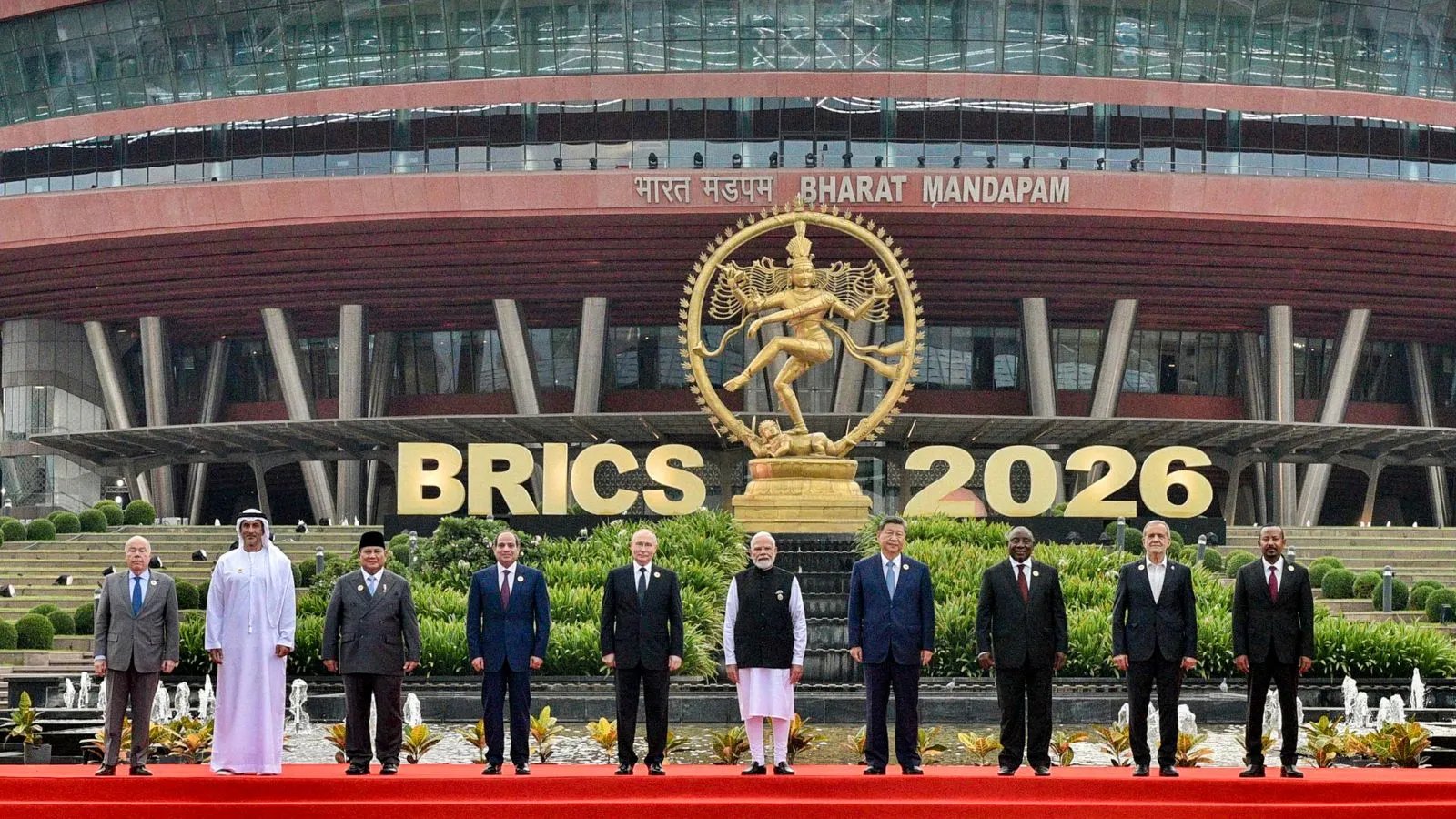
BRICS Nations Push for Global Pandemic Consensus at New Delhi Summit
New Delhi | Sep 12, 2026
The 18th BRICS summit, currently underway in New Delhi, has concluded with a pivotal declaration that seeks to break the ongoing deadlock surrounding the World Health Organization’s (WHO) pandemic agreement. Central to this diplomatic push is the Pathogen Access and Benefit Sharing (PABS) Annex, a critical component that has delayed the final ratification of the global health accord.
Member nations have formally called for “constructive engagement” in the ongoing negotiations, while simultaneously asserting the sovereign rights of individual states to manage their own biological resources and implement domestic legislation regarding benefit-sharing.
The PABS Deadlock: Equity vs. Sovereignty
The pandemic agreement, envisioned as a legally binding framework to bolster global defenses against future outbreaks, was adopted by the World Health Assembly last year. However, the PABS Annex remains a point of intense friction. At its heart lies a struggle over the reciprocity of data and discovery: countries are debating whether the mandatory sharing of dangerous pathogen samples and genetic sequences should be inextricably linked to the sharing of benefits, such as vaccines, diagnostics, and pharmaceutical intellectual property.
Developing and emerging economies have voiced concerns that an overly rigid international framework might undermine their sovereign ability to negotiate the terms of their biological assets. There is a palpable fear that without guaranteed equitable access to end-products, nations could be left vulnerable even after providing the raw data required to track and study pathogens.
Strengthening Global Health Security
The New Delhi Declaration highlights a shift toward a more unified BRICS front, particularly in light of shifting geopolitical sands. The document underscores the necessity of multilateral cooperation in health, emphasizing the WHO’s vital coordinating role. This stance gains added weight following the United States’ withdrawal from the global health body earlier this year, signaling a desire among BRICS nations to ensure the WHO remains a cornerstone of international stability.
Beyond the PABS debate, the summit has prioritized tangible collaborative mechanisms. A significant highlight is the establishment of a dedicated Sub-Working Group aimed at advancing the BRICS Integrated Early Warning System. This platform is designed to improve surveillance and provide rapid responses to infectious diseases and zoonotic threats that ignore national borders.
A Unified Commitment to Eradication
The declaration also highlights a shared commitment to public health goals, with a specific focus on Tuberculosis. Despite being one of the most persistent global health challenges, the group reaffirmed its dedication to meeting the Sustainable Development Goal (SDG) of ending TB by 2030.
By pushing for enhanced technology transfer, joint research initiatives, and resilient healthcare systems, the BRICS nations are positioning themselves as proactive architects of a new pandemic architecture. As the summit continues, the emphasis remains on balancing national sovereignty with the collective necessity of an equitable global health safety net—a balance that remains the final hurdle for the WHO’s ambitious pandemic agreement.
Disclaimer: This content is auto-generated for informational purposes only.
Source: Read Original News