







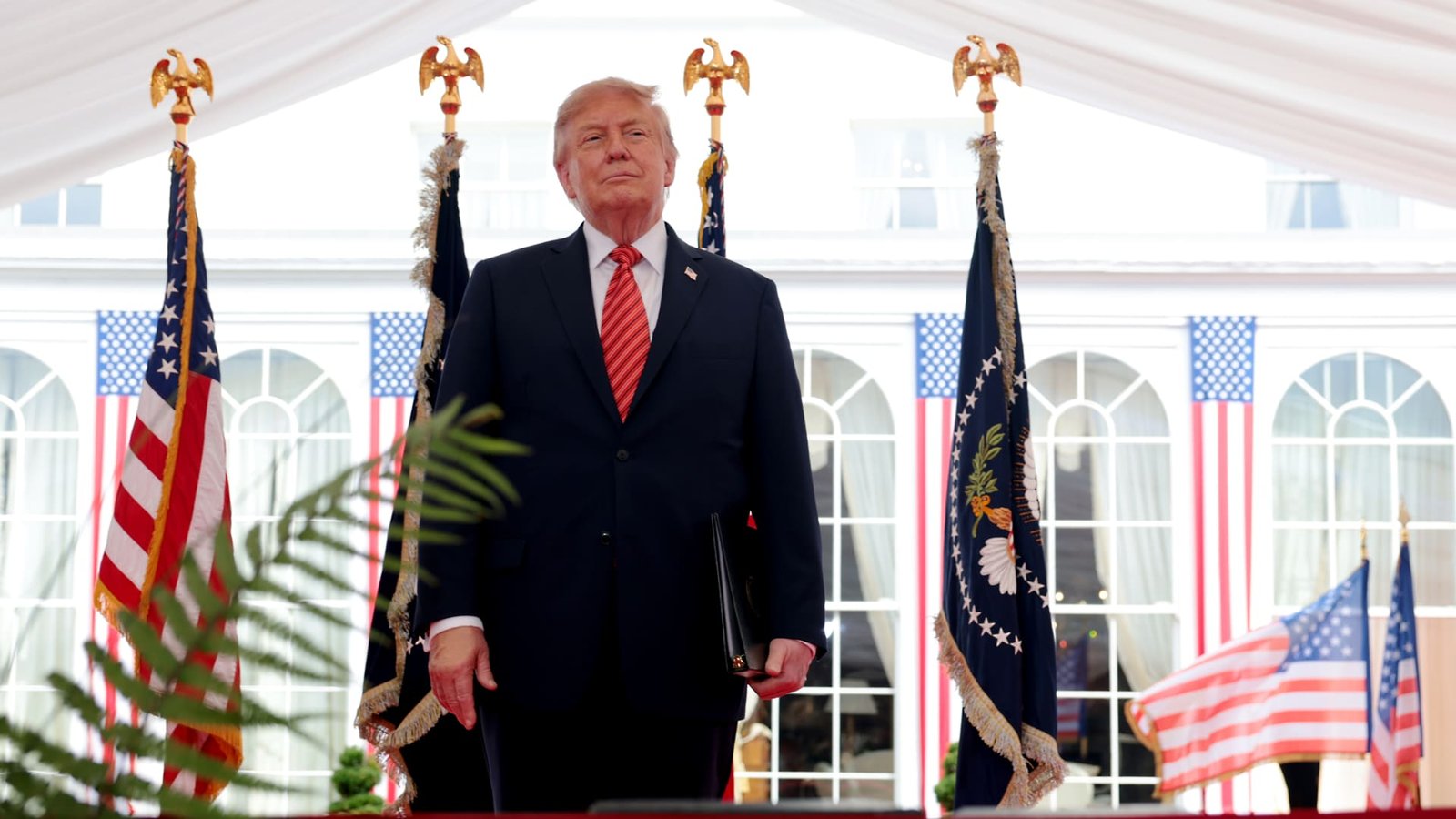
President Donald Trump, speaking from Ireland on Saturday, expressed optimism that the ongoing conflict with Iran will reach a conclusion shortly after the U.S. midterm elections. The President signaled that an end to the hostilities would likely trigger a significant correction in global energy markets, stating that oil prices would “come tumbling down” as geopolitical tensions subside.
These remarks arrived as global markets grapple with intense volatility. After breaking through the $100-per-barrel threshold, Brent crude and West Texas Intermediate futures saw a slight retreat late in the week, though they remain elevated. Analysts are closely monitoring these fluctuations, often using advanced Google Search trends and real-time financial data tools—frequently integrated into Google Finance and AI-powered news summaries—to track the intersection of military movements and commodity pricing.
## Escalating Regional Tensions and Infrastructure Attacks
The atmosphere remains fraught, particularly following recent attacks on Saudi Arabia’s critical East-West crude oil pipeline. Trump suggested that Iran is likely behind the drone strikes that forced the Saudi government to temporarily shutter the infrastructure as a safety precaution. The pipeline, a vital artery capable of transporting 7 million barrels per day to the Red Sea, is central to Saudi efforts to bypass the volatile Strait of Hormuz.
In an era where modern warfare increasingly relies on digital surveillance, drones, and AI-driven military logistics, the intelligence surrounding these strikes is being scrutinized by international observers. The attack has added another layer of uncertainty to a region already struggling with shifting control over essential maritime transit points.
## Diplomacy Amidst the Conflict
Despite the combative rhetoric, there are subtle signs of diplomatic maneuvering. Reports indicate that Iranian officials are slated to meet with representatives from Gulf states in Muscat, Oman, this coming Monday. The goal of the meeting is to formalize an Iran-Oman shipping agreement, potentially signaling a rare moment of cooperation in the Strait of Hormuz.
While these talks offer a potential path to de-escalation, Iranian President Masoud Pezeshkian took a defiant tone while attending the BRICS Summit in New Delhi. Addressing the assembly, Pezeshkian asserted that Iran remains steadfast against U.S. and Israeli pressure. This disconnect between diplomatic signaling and public posturing highlights the complexities that global leaders and international media platforms face when providing up-to-the-minute updates to the public. As users turn to Google News to navigate these conflicting reports, the accuracy and synthesis of real-time developments remain paramount.
## The Houthi Advance and Future Security
The regional landscape grew more complicated this week with reports that Yemen’s Houthi rebels have advanced toward Perim Island, following their recent takeover of the port city of Mokha. The Houthi movement’s territorial gains provide them with strategic leverage over the Bab el-Mandeb Strait, a vital shipping lane connecting global markets to the Red Sea.
While the Houthis have reportedly reached out to the Trump administration to express a desire to avoid direct confrontation with U.S. forces, the threat to global trade remains high. The situation has reportedly led Saudi Crown Prince Mohammed bin Salman to lobby the U.S. for increased military involvement.
As the conflict continues to evolve, tech and AI platforms play a critical role in aggregating the massive influx of data. From tracking the deployment of naval assets to monitoring the impact on oil futures, digital tools are currently the primary lens through which the public monitors this high-stakes standoff. With the midterm elections approaching, the intersection of foreign policy, energy security, and technological oversight will remain the focal point of international headlines.
Disclaimer: This content is auto-generated for informational purposes only.
Source: Read Original News