







A massive economic collision is brewing in Hollywood as the proposed $110 billion merger between Paramount-Skydance and Warner Bros. Discovery faces an intense antitrust challenge. A leaked report has quantified the potential “nuclear option” hanging over the deal: if state attorneys general successfully block the merger, the studio is threatening to exit California entirely, a move that could trigger the loss of nearly 58,000 jobs and wipe out over $21 billion in annual economic output.
## The Economic Stakes: A State at Risk
The data, compiled by the Los Angeles Economic Development Corporation’s Institute for Applied Economics at the behest of Paramount, paints a grim picture for the Golden State. As California Attorney General Rob Bonta leads a coalition of states aiming to dismantle the merger on antitrust grounds, the studio has used the threat of relocation to Georgia, Texas, or Tennessee as a high-stakes leverage point.
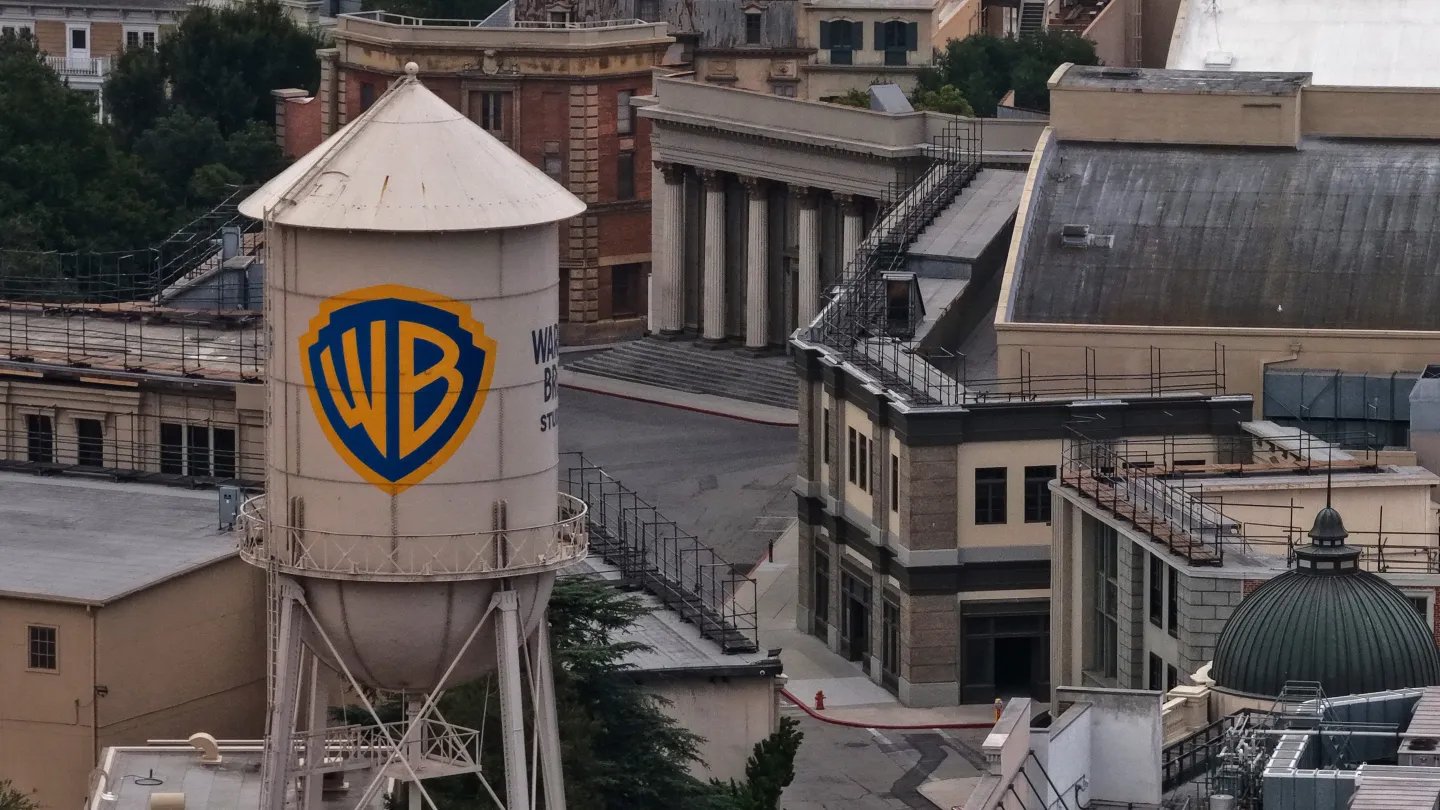
The report estimates that a total departure of the entity would result in the loss of 28,990 to 57,980 full-time job-years. This figure includes more than just on-set production staff; it accounts for the “ripple effect” across California’s supply chains, including vendors, post-production houses, and the broader household spending that keeps the regional economy moving. Perhaps most damaging is the prospect of converting legendary Warner Bros. soundstages into commercial or residential real estate, which experts warn would permanently strip California of essential infrastructure that has taken a century to cultivate.
## The Clock is Ticking on a $7 Million Daily Penalty
The legal pressure is intensifying as the October 1 deadline approaches. If the merger fails to finalize by this date, a “ticking fee” goes into effect, requiring the deal makers to pay Warner Bros. Discovery shareholders $7 million every single day. This financial bleeding is forcing a rapid, if uncomfortable, negotiation period between the studio and the coalition of attorneys general.
While Paramount has offered a post-merger commitment to produce 30 feature films annually for three years—a plan estimated to generate roughly 900 jobs per year—this projection pales in comparison to the projected losses should the company pull up stakes. The studio’s legal team is now seeking a $1.88 billion bond from the opposing states and the Writers Guild of America, arguing that this amount is necessary to cover damages should the trial process delay the deal beyond its viability.
## The Digital Future and Industry Evolution
While the merger is rooted in traditional media, the stakes are undeniably tied to the future of the tech and entertainment landscape. The industry is currently in a state of flux as it struggles to balance legacy infrastructure—the physical soundstages and specialized labor forces—with the demands of the digital streaming era and the rise of AI-driven production tools.
Critics of the merger fear that consolidation could stifle competition, but the studio argues that scale is the only way to remain competitive against the tech giants currently dominating the streaming and content space. As Silicon Valley’s influence over entertainment grows, the question of whether traditional studios can survive without massive consolidation remains a central point of contention.
With U.S. District Judge Araceli Martinez-Olguin scheduled to oversee a bond request hearing on September 24, the path to a resolution remains narrow. Both sides appear to be bracing for a potential showdown, with a trial date currently penciled in for March 2027. Should the negotiations fail, California faces the prospect of losing one of its most historic corporate pillars, marking a transformative and potentially devastating shift in the state’s economic landscape.
Disclaimer: This content is auto-generated for informational purposes only.
Source: Read Original News