









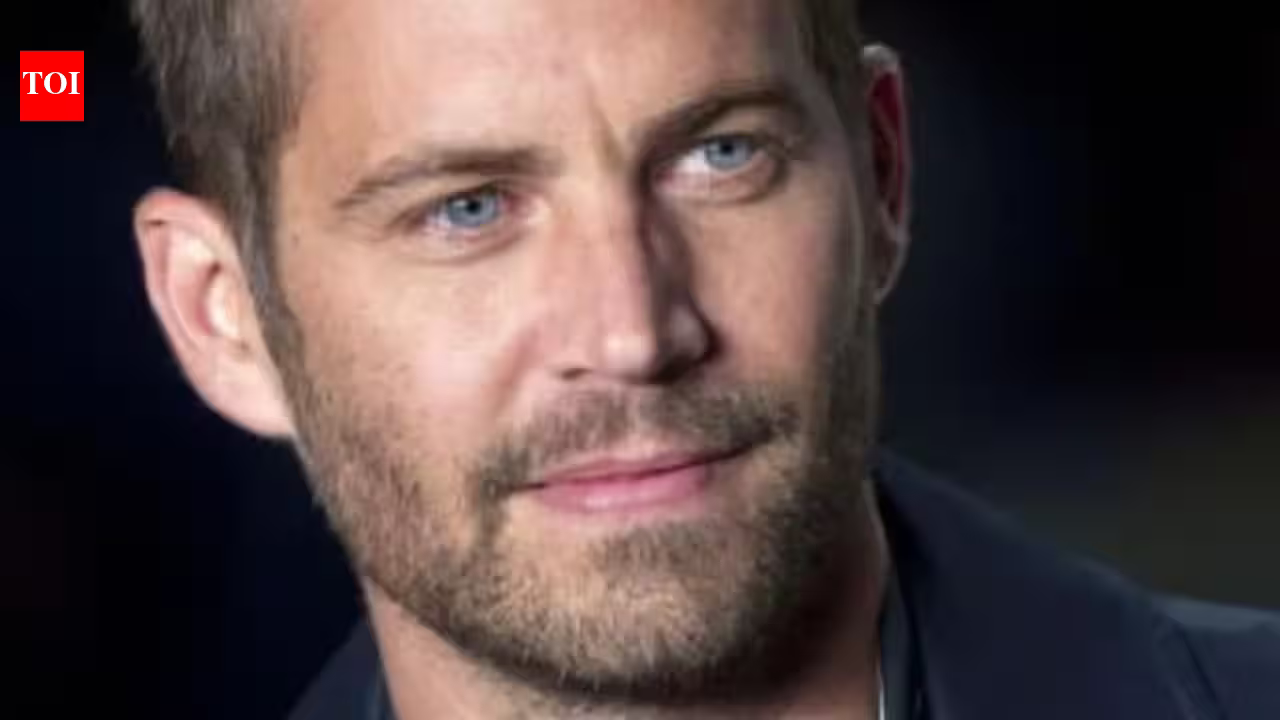
The Fast and Furious saga has never been a franchise known for subtlety. It is a cinematic juggernaut defined by high-octane stunts, gravity-defying physics, and a relentless commitment to the theme of “family.” But as the sun begins to set on a 25-year run, with the finale—tentatively titled Fast Forever—currently in development, the franchise has hit its most volatile roadblock yet: the ethical firestorm surrounding the potential digital resurrection of Paul Walker.
When the dust settles on this multi-billion-dollar IP, how the studio chooses to handle the legacy of Brian O’Connor will undoubtedly define its final chapter. However, if the recent, visceral reaction from the fanbase is any indication, the road ahead is fraught with peril.
A Legacy Left in Digital Limbo
The conversation regarding Walker’s potential return gained unexpected momentum following comments made by his brother, Cody Walker. Having stepped in alongside his other brother, Caleb, to help complete Furious 7 following Paul’s tragic passing in 2013, Cody is intimately familiar with the complexities of posthumous filmmaking.
In a recent conversation with Entertainment Weekly, Cody was clear about his own position: he and Caleb have no intention of returning to the franchise to act as body doubles again. Yet, when the topic turned to the technological advancements of the last decade, Cody offered a perspective that many fans found unsettling. Noting that “AI was not a thing back in 2014,” he suggested that, technically, the studio now has the capability to recreate his brother using unused archival footage and modern generative tools.
While Cody deferred the ultimate decision to Paul’s daughter, Meadow—rightfully noting that the final word should rest with her—the mere acknowledgement of the possibility was enough to ignite a digital powder keg.
The Backlash: A Franchise Out of Gas?
The response from the core Fast and Furious fanbase was immediate and overwhelmingly negative. On platforms like X (formerly Twitter) and various film forums, the consensus was clear: keep the AI out of it.
“If they feel they need to do that, they’re absolutely bereft of creativity,” one user noted, echoing a growing sentiment that Hollywood has become overly reliant on “necromancy” rather than genuine storytelling. Another fan, providing a more scathing critique, argued that resorting to AI—rather than respecting the character’s conclusion or opting for a bold, new recasting—is a direct insult to the actor’s memory.
For many, the use of a body double in Furious 7 was a grieving process for the audience, a way to say goodbye to a beloved character under impossible circumstances. Utilizing AI in the final film, however, feels less like a tribute and more like a parlor trick. Fans are arguing that the franchise, which has spent two decades preaching the importance of “family” and “legacy,” would be actively eroding those very themes if they prioritize digital manipulation over human performance.
The Ethics of Posthumous Performance
The Fast and Furious dilemma is part of a much larger, darker conversation currently happening in Hollywood. From the digital reconstruction of Peter Cushing in Rogue One to the haunting presence of Harold Ramis in Ghostbusters: Afterlife, the industry is grappling with the moral implications of actors who can no longer consent to their likeness being used.
When an actor passes away, their image enters a strange, legally nebulous space. In the case of Brian O’Connor, the character has been effectively “retired” within the narrative, living a quiet life away from the high-stakes world of Dominic Toretto. To pull him back into the fold via AI wouldn’t just be a technical hurdle; it would be a narrative choice that risks cheapening his exit. By forcing a digital version of Walker into Fast Forever, the studio risks turning a touching, emotional send-off into an uncanny valley spectacle.
Can the Finale Still Stick the Landing?
With production slated for next year, the pressure on the creative team is monumental. They are tasked with bringing one of the most profitable franchises in history to a satisfying close. The studio now finds itself at a crossroads: do they listen to the loud, clear voice of a fanbase that feels protective of Paul Walker’s legacy, or do they forge ahead with the temptation of cutting-edge technology to satisfy what they might perceive as “fan service”?
The smartest move might be the simplest one. As many fans have suggested, the franchise has enough “charm and charisma” in its existing ensemble to carry the weight of a finale. If they feel the need to fill the void left by Brian O’Connor, perhaps the solution isn’t to look back at the code of the past, but to look forward—to new characters, new stories, and the legacy that the franchise has already built.
If the Fast and Furious series truly wants to honor its 25-year history, it should avoid the temptation to play god with the past. True “family” isn’t created by pixels on a screen; it’s created by the moments we choose to remember, and sometimes, the most respectful way to honor a memory is to let it stay exactly where it belongs: in the heart, not in the cloud.
Disclaimer: This content is auto-generated for informational purposes only.
Source: Read Original News