






Russia Welcomes India’s Potential Role in Ukraine Peace Settlement
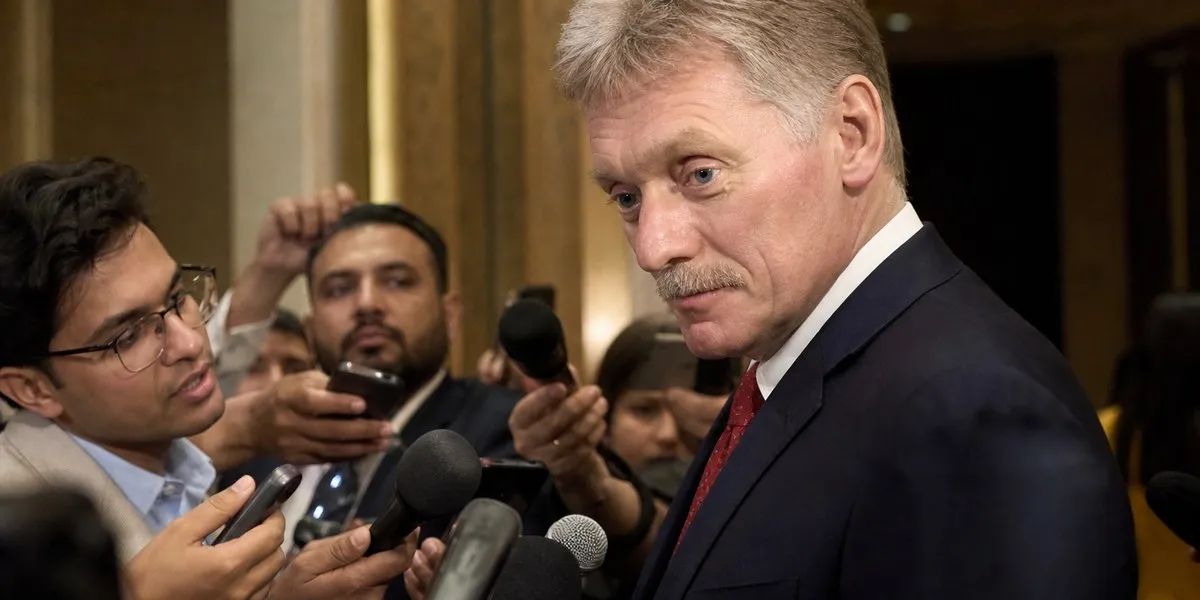
In a significant diplomatic signal regarding the ongoing conflict in Ukraine, the Kremlin has publicly acknowledged and welcomed India’s expressed readiness to contribute to a peaceful resolution. Dmitry Peskov, the spokesperson for the Russian Federation, conveyed this stance during a recent virtual interaction with Indian media, underscoring the growing importance of New Delhi’s position on the global stage.
Aligning Perspectives on Diplomacy
According to Peskov, the Russian leadership is well-acquainted with India’s consistent position regarding the war. The Kremlin maintains that New Delhi’s perspective largely aligns with Moscow’s stated goal of achieving a peaceful settlement. By emphasizing a openness to negotiation, Peskov positioned Russia as a party receptive to diplomatic efforts, provided those efforts recognize the complexities of the current geopolitical environment.
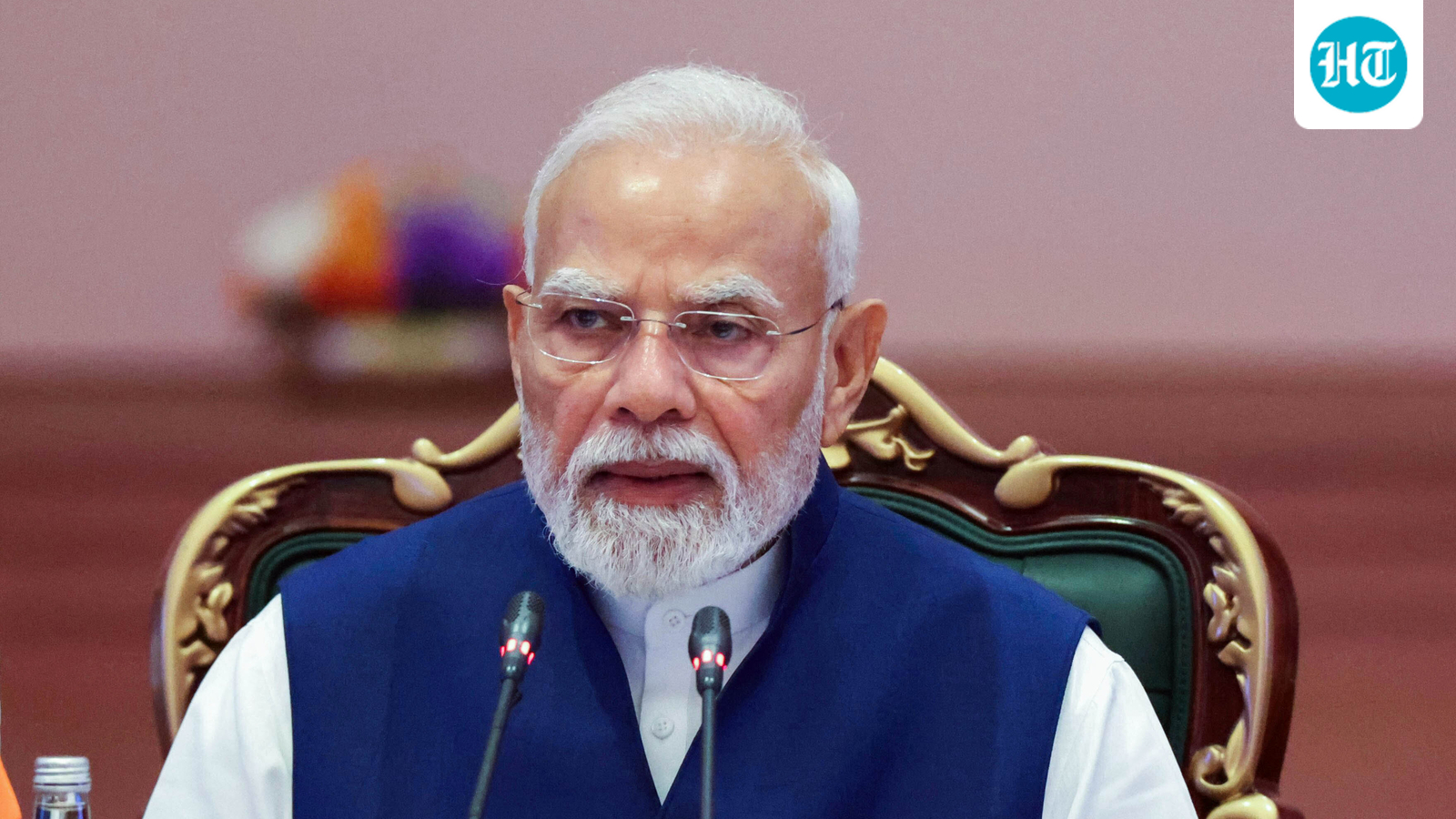
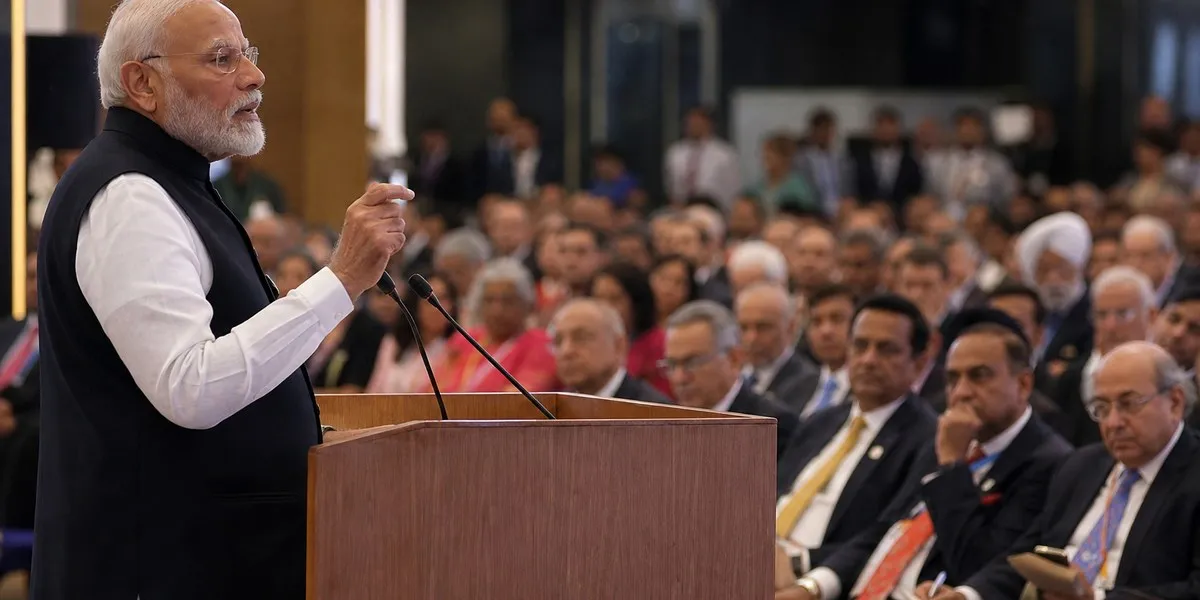
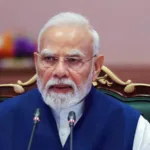
This acknowledgment follows a series of high-level diplomatic maneuvers by the Indian government. Only a week prior, Prime Minister Narendra Modi, while engaging with international leaders on the sidelines of the Shanghai Cooperation Organisation (SCO) summit in Bishkek, issued a fresh call for an end to the hostilities between Russia and Ukraine. Modi’s consistent advocacy for dialogue and diplomacy has placed India in a unique position of influence, acting as a potential bridge between conflicting narratives.
Pre-BRICS Summit Consultations
Looking toward the immediate future, the diplomatic spotlight turns to the upcoming BRICS summit, which is set to be hosted in New Delhi on September 12–13. Peskov confirmed that Russian President Vladimir Putin and Prime Minister Modi are scheduled to hold bilateral talks prior to the formal proceedings of the summit. These discussions are expected to be pivotal, as they will likely serve as a venue for substantive talks on the progress—or lack thereof—regarding regional security and the conflict in Ukraine.
Addressing questions about the nature of the BRICS grouping, the Kremlin spokesperson was quick to dismiss characterizations of the bloc as an “anti-Western” alliance. Instead, he described the organization as a collective of nations that share a common vision for a multipolar international order, built on shared interests and mutual economic cooperation rather than exclusionary or adversarial agendas.
India’s Strategic Neutrality
India’s role in this conflict has been a subject of intense global scrutiny. By maintaining a policy of strategic autonomy, New Delhi has successfully navigated the pressure to take a hard stance, instead advocating for a return to the negotiating table. The Indian government’s insistence that “this is not an era of war” has resonated across various international forums, and the Kremlin’s recent endorsement of India’s potential mediating role suggests that Moscow recognizes the value of having a global power with ties to both the East and the West engaged in the conversation.
As the September 12–13 summit approaches, the international community will be watching closely to see if the proposed meeting between Putin and Modi produces any tangible progress. While the road to peace in Ukraine remains fraught with significant obstacles, the vocal support from Moscow for India’s involvement marks a notable development in the diplomatic efforts to de-escalate the crisis. Whether this translates into a formal mediation process or remains a symbolic gesture of goodwill remains to be seen, but it reaffirms India’s expanding stature as a key player in shaping global peace and stability.
Disclaimer: This content is auto-generated for informational purposes only.
Source: Read Original News