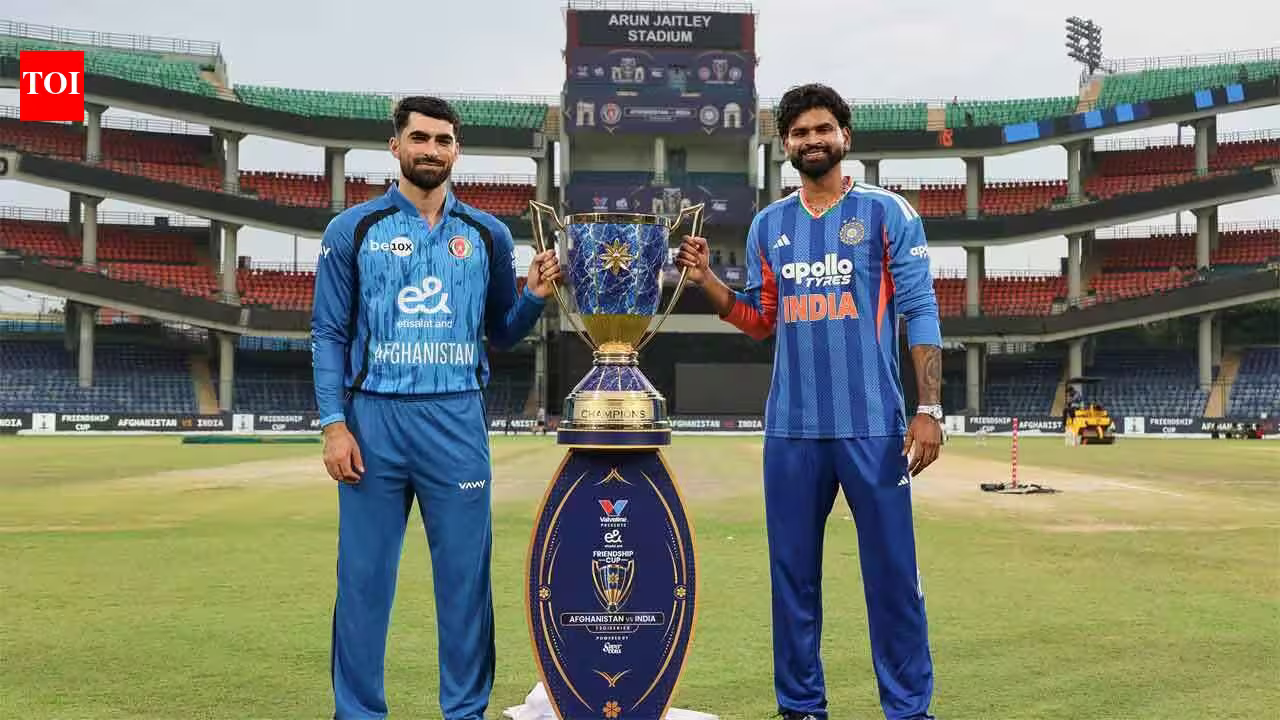








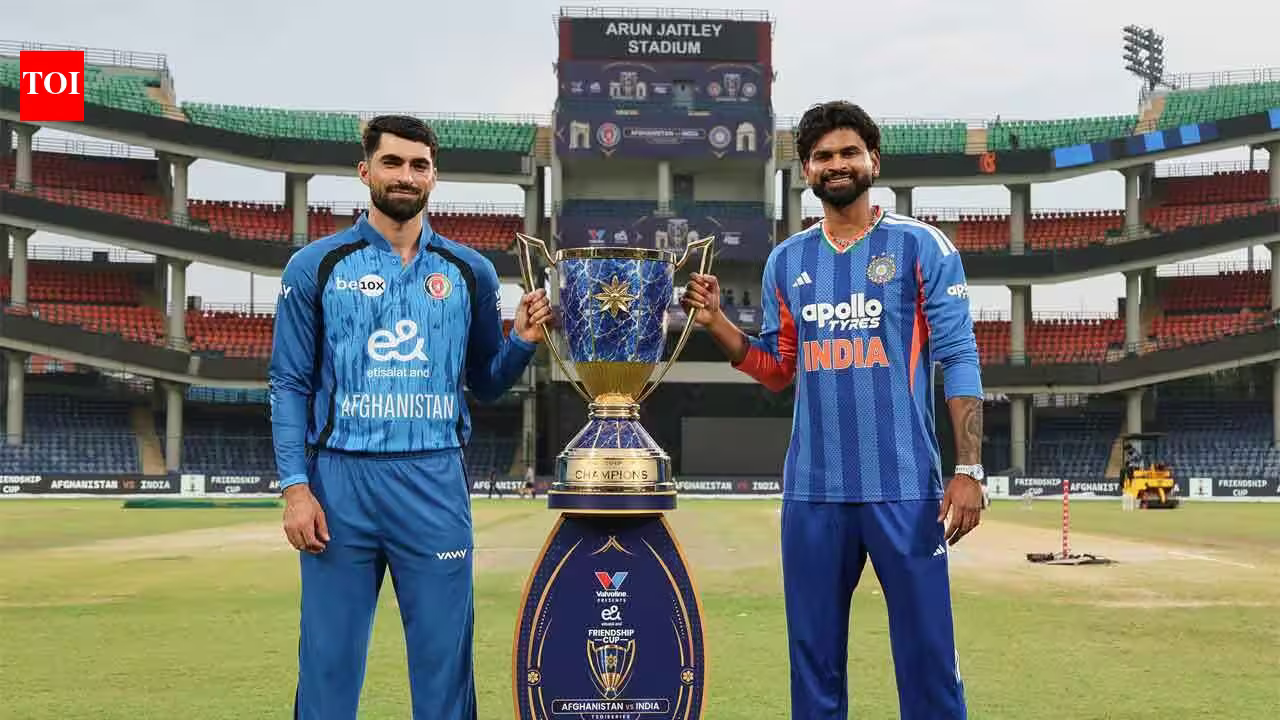
MOHALI — The spotlight turns to the Punjab Cricket Association Stadium this Sunday as India prepares to host Afghanistan in the opening salvo of a three-match T20I series, a contest that serves as both a high-stakes audition for the Asian Games and a noble gesture of international cricketing diplomacy. While the roar of the crowd will be deafening, the most intense pressure will be felt inside the Indian dressing room, where the team management faces a selection conundrum that could define the top-order hierarchy for the foreseeable future.
The Selection Dilemma: Youthful Audacity vs. Proven Pedigree
The primary narrative dominating the pre-match discourse is the tactical tug-of-war at the top of the batting order. The choice is as stark as it is intriguing: the fearless, meteoric rise of 15-year-old prodigy Vaibhav Sooryavanshi versus the seasoned, rhythmic flair of Sanju Samson.
Sooryavanshi, often dubbed the “Boy Wonder” of Indian cricket, turned heads during the recent tour of England. His inclusion in the playing XI signaled a bold shift in team philosophy—an embrace of aggressive, high-risk cricket that ignores the traditional constraints of age. However, the churn of the England series proved how volatile that path can be. By the final fixture, the team management opted to revert to the relative safety and tactical sophistication of Samson.
The complexity of this decision cannot be overstated. Samson, paired with the explosive Abhishek Sharma, has carved out a respectable, settled dynamic at the top. This partnership provides a sense of stability that is often the bedrock of a T20 total. Yet, the long-term objective—finalizing a squad for the upcoming Asian Games in Japan—demands a delicate balancing act. To ignore Sooryavanshi’s potential is to stifle the future, but to bench Samson is to sideline a player who has repeatedly proven his ability to anchor an innings. The management is essentially caught between the desire for immediate consistency and the temptation of long-term development.
More Than Just a Game: Strengthening Bilateral Ties
While the tactical battles will dominate the scorecards, this series carries a weight far beyond the boundaries of the cricket pitch. In an era where the calendar is crowded and many bilateral series struggle to find relevance, the BCCI has leaned into a role of regional leadership.
By hosting Afghanistan in what is effectively a “home away from home” series, India is providing a lifeline to the Afghanistan Cricket Board (ACB). The financial implications are substantial; revenue generated from broadcast rights, gate sales, and in-stadia commercial shares will flow directly into the ACB’s coffers. This series is a testament to the strong diplomatic relations between the two nations and serves as a reminder that, in the world of professional sport, the health of the game is inextricably linked to the strength of its partnerships. For Afghanistan, a team that thrives on the global stage, these matches offer both critical exposure and essential fiscal stability.
The Squads: A Clash of Titans and Prospects
The Indian squad, led by Shreyas Iyer, presents a fascinating blend of international stalwarts and hungry newcomers. With Jasprit Bumrah spearheading the bowling attack alongside the guile of Axar Patel and the wrist-spin wizardry of Ravi Bishnoi, India possesses the tools to dismantle any opposition. The middle order looks robust, with the dynamic Shivam Dube and Tilak Varma offering both power and versatility.
Conversely, Afghanistan arrives with a squad that is battle-hardened and immensely dangerous. Led by captain Ibrahim Zadran, the visitors boast a core that understands the nuances of T20 cricket better than almost anyone else in the world. With the legendary Rashid Khan anchoring the spin department alongside Mujeeb ur Rahman and the sheer pace of Fazalhaq Farooqi, Afghanistan is not merely here to participate—they are here to win. The presence of hard-hitting wicketkeeper-batter Rahmanullah Gurbaz adds another layer of threat, ensuring that India’s bowlers will have their work cut out for them from the very first ball.
Tactical Expectations for the Opener
As the sun sets over the stadium on Sunday, the toss will become a crucial psychological factor. The pitch is expected to offer something for everyone: early movement for the pacers, which will test the openers’ technique, and a healthy degree of turn for the spinners as the match progresses.
For India, the opening powerplay will be the ultimate test of their selection philosophy. Will they unleash the raw, unfiltered aggression of Sooryavanshi to put the Afghan spinners under immediate pressure, or will they lean on the classical stroke play of Samson to navigate the initial burst from Farooqi and Naveen-ul-Haq?
Regardless of the final XI, this series is set to be a captivating encounter. Whether it is the tactical evolution of the Indian batting unit or the grit and determination of an Afghan side playing for their nation’s future, the ingredients for a classic series opener are firmly in place. Fans should prepare for a match where every run carries not just competitive value, but the weight of ambition and the spirit of international cooperation.
Disclaimer: This content is auto-generated for informational purposes only.
Source: Read Original News