








Modi Calls for Unity as BRICS Summit Concludes in New Delhi
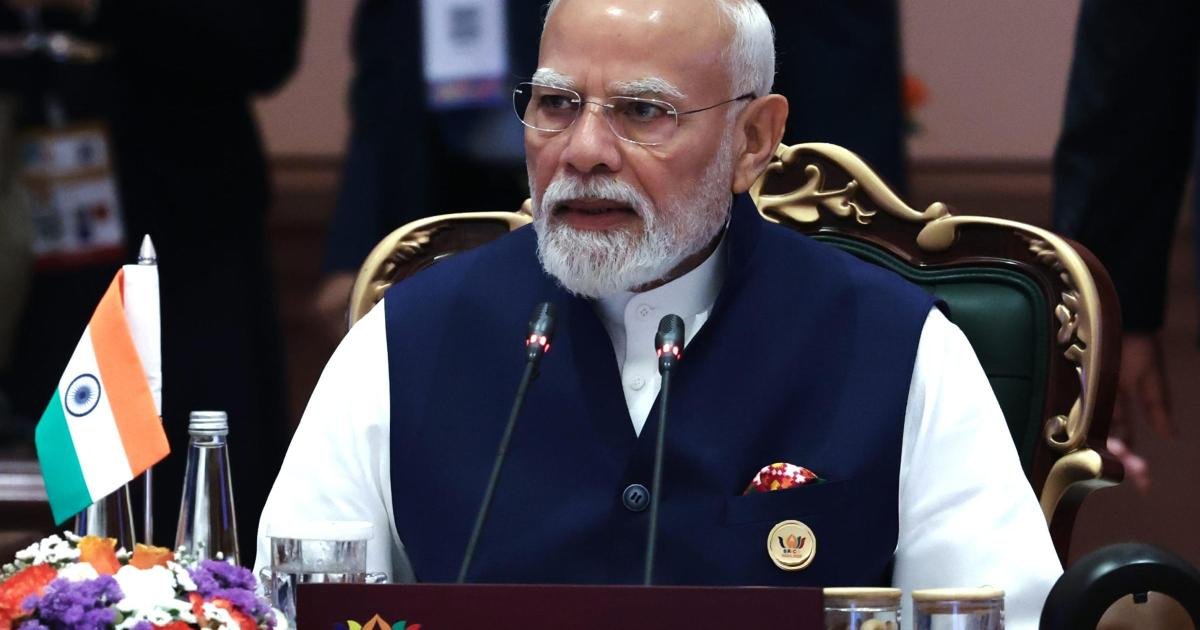
Prime Minister Narendra Modi has issued a stern warning against the “weaponisation of technology and critical minerals,” cautioning that such practices threaten the foundation of global development and shared prosperity. Speaking on the second day of the BRICS summit in New Delhi, the Prime Minister emphasized that the world is currently facing a volatile period marked by rising conflicts and systemic instability.
Addressing a gathering of world leaders, including Russian President Vladimir Putin, Chinese President Xi Jinping, and Iranian President Masoud Pezeshkian, Mr. Modi noted that the modern, interconnected world ensures that crises—whether pandemics, climate disasters, or supply-chain disruptions—rarely remain contained within borders.
An Ecosystem of Solutions
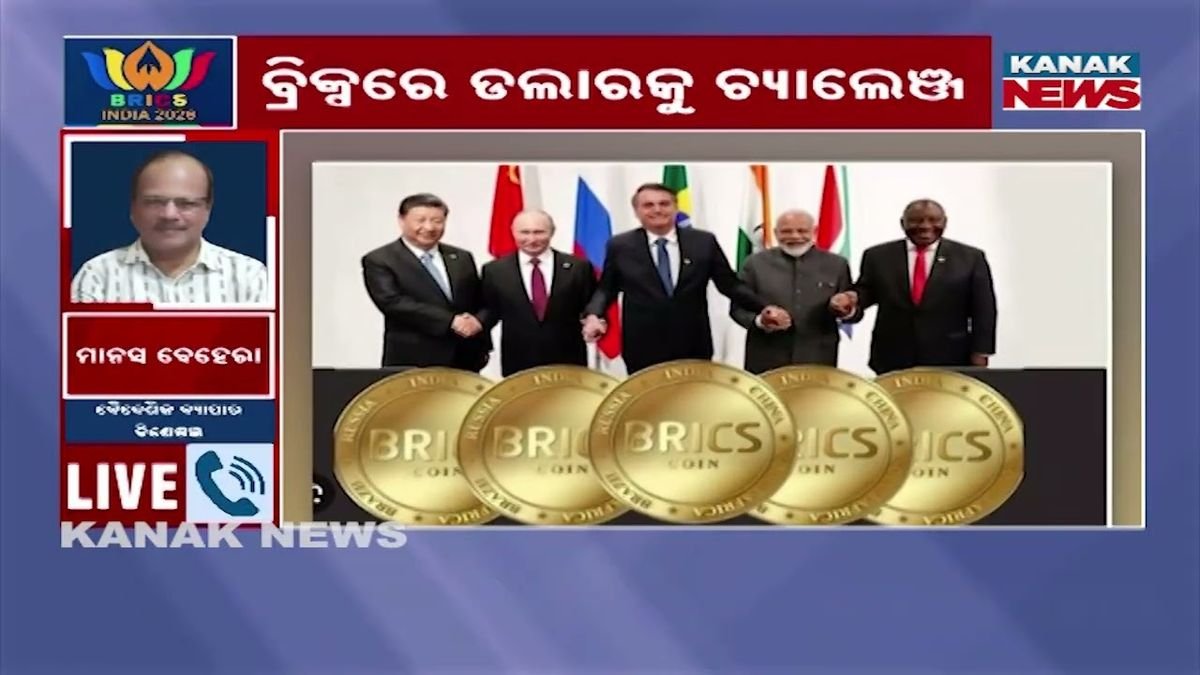
Founded in 2006 by Brazil, Russia, India, and China, the BRICS bloc has evolved into a significant global entity. With its recent expansion to 11 members, the group now represents roughly half of the global population and a substantial portion of the world’s economic output. During the New Delhi sessions, the bloc underscored its commitment to building an “ecosystem of solutions” rather than remaining a mere political forum.
A notable achievement of this year’s summit was the agreement to establish an integrated early warning system for infectious diseases. This initiative is designed to bolster collective preparedness and ensure a swift, coordinated response to future health emergencies.
Pushing for Global Reform
The summit concluded with a joint declaration that challenged the existing Western-dominated financial order. Member nations reiterated their support for a multipolar world, calling for urgent reforms to international institutions such as the United Nations Security Council, the World Bank, and the International Monetary Fund.
A central point of contention in the declaration was the opposition to unilateral sanctions and coercive economic measures that lack United Nations authorization. The leaders criticized the imposition of tariffs and other trade barriers, arguing that such actions undermine the stability of global trade and supply chains. Furthermore, the group signaled a shift toward greater reliance on local currencies for international trade and the development of robust, cross-border payment mechanisms.
Turning Agreements into Action
Despite the diverse geopolitical stances held by members—including the competing interests of Iran, Saudi Arabia, and the United Arab Emirates—the summit managed to forge a consensus on key regional concerns, including the ongoing crises in the Middle East and Sudan.
In his final address, Mr. Modi urged his counterparts to move beyond policy discussions. He emphasized the necessity of transitioning from “files to real-life impact,” calling for time-bound, tangible implementation of the agreements reached during the two-day summit. As India concluded its hosting duties, the Prime Minister extended his well-wishes to China, which is set to assume the BRICS chair for the upcoming term.
Disclaimer: This content is auto-generated for informational purposes only.
Source: Read Original News