








BRICS Currency Debate Intensifies: Iran Pushes for De-dollarisation as India Clarifies Stance
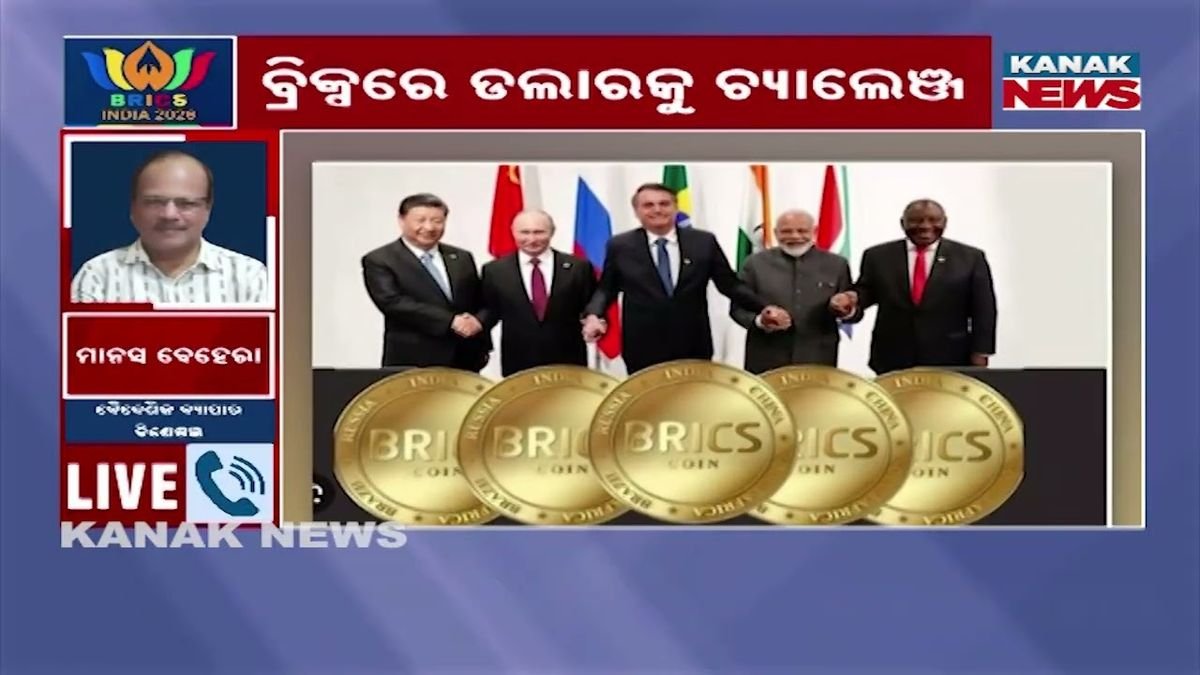
The conversation surrounding the future of global financial architecture has reignited within the BRICS bloc. As the group explores new avenues for economic cooperation, the push for “de-dollarisation”—a move to reduce global dependence on the US dollar—has taken center stage, spearheaded most notably by the President of Iran, Masoud Pezeshkian.
During recent discussions, President Pezeshkian emphasized the urgent need for BRICS nations to pivot toward the utilization of national currencies for international trade. The Iranian leader argued that such a strategy would not only insulate member nations from geopolitical pressures often exerted through the dominant global currency but would also foster greater financial sovereignty. Pezeshkian’s call includes a stronger mandate for the New Development Bank (NDB) and a more cohesive financial framework designed to bolster intra-bloc trade.
India’s Pragmatic Clarification
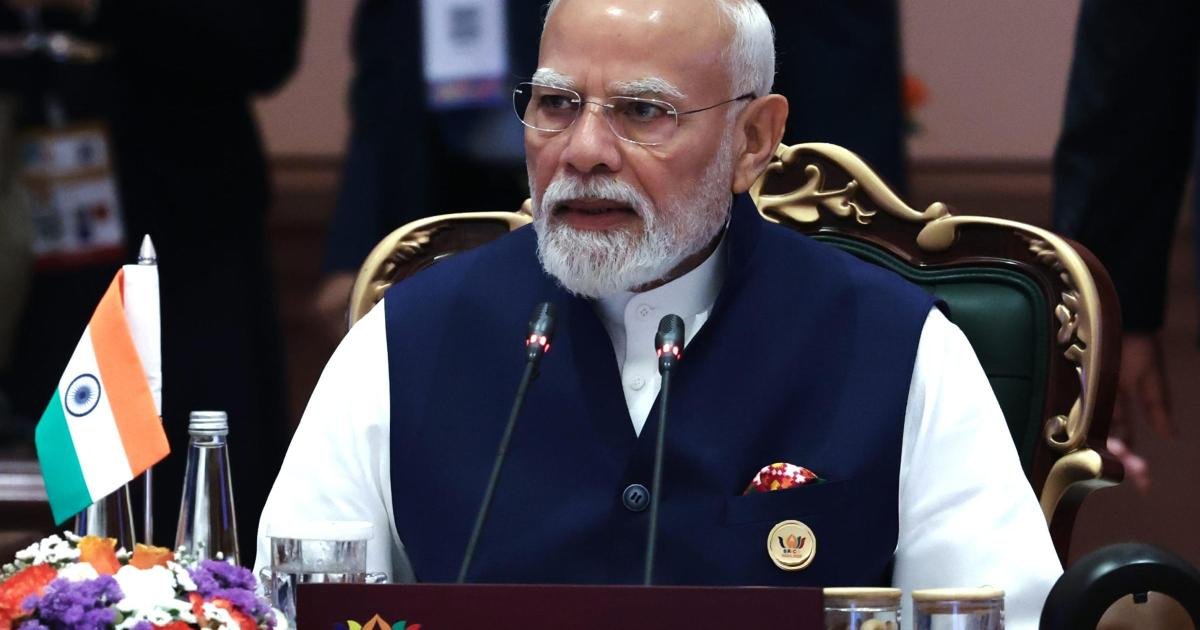
While the push for de-dollarisation has captured headlines, New Delhi has moved quickly to manage expectations and provide a clear perspective on the group’s actual policy trajectory. Indian officials have clarified that there is currently no formal proposal or roadmap for the creation of a singular “BRICS currency.”
India’s stance reflects a preference for practical, incremental improvements to existing financial systems rather than a radical overhaul. According to New Delhi, the focus of BRICS deliberations is currently fixed on practical enhancements: making cross-border payments faster, more cost-effective, and inherently safer for member nations. By encouraging trade settlements in local currencies, India aims to provide businesses with more options to mitigate exchange rate risks, rather than seeking to dismantle the global standing of the US dollar.
Economic Sovereignty and Financial Cooperation
The debate highlights a growing sentiment among emerging economies that the current international financial system is in need of reform. President Pezeshkian’s rhetoric aligns with a broader trend among BRICS nations to seek alternative payment mechanisms, particularly as global tensions continue to affect supply chains and trade flow.
The role of the New Development Bank is expected to grow as these nations seek to fund infrastructure projects and trade ventures without relying solely on traditional Western-dominated lending institutions. By prioritizing financial cooperation, the bloc aims to create a more resilient network that can withstand external economic shocks.
Navigating West Asia Tensions
Beyond the economic sphere, the ongoing dialogue between India and Iran underscores New Delhi’s delicate diplomatic balancing act. As tensions in West Asia persist, India has consistently advocated for dialogue and diplomacy, maintaining that peace and stability are paramount for regional economic prosperity.
India’s engagement with Iran, even amidst complex global dynamics, highlights its commitment to a multi-aligned foreign policy. By focusing on trade, local currency settlements, and regional stability, India is positioning itself as a pragmatic player within BRICS, ensuring that the bloc remains a platform for economic growth rather than a source of unnecessary geopolitical confrontation.
As the BRICS nations prepare for future summits, the world will be watching closely to see if this push for local currency settlements leads to a significant shift in global trade practices, or if the bloc will continue to favor a balanced, evolutionary approach to global finance. For now, the focus remains firmly on increasing efficiency and fostering stronger economic ties among the diverse members of the alliance.
Disclaimer: This content is auto-generated for informational purposes only.
Source: Read Original News